

Understanding Your Pet’s Needs
Creating a pet-friendly home begins with understanding the unique needs of your furry or scaly companions. Different species, and even breeds within those species, have varied requirements when it comes to their living environment. For instance, dogs generally require more space to move around, whereas cats may benefit from vertical spaces such as cat trees or shelves to satisfy their natural climbing instincts.
Safety is a primary concern in constructing a pet-friendly atmosphere. This involves securing loose wires that could pose a choking hazard or blocking access to toxic plants and substances. Proper enclosure of hazardous areas can prevent accidents, especially for curious pets like puppies and kittens, who are likely to explore their surroundings. Furthermore, pet-proofing the home requires an understanding of what items may be harmful, such as certain household cleaners or foods toxic to cats and dogs.
Comfort is equally important, as it directly influences the mental and physical well-being of your pets. Ensure each pet has dedicated spaces in the house for resting and retreating. For dogs, a cozy bed in a quiet corner works well, while for cats, comfortable napping spots where they feel safe are essential. Additionally, consider the temperature of your home; pets are vulnerable to extreme heat or cold, so maintaining a comfortable climate is vital.
Finally, stimulation plays a crucial role in a pet’s life. Incorporating toys, scratching posts, and interactive elements can greatly enhance their physical and mental health. Different pets require different types of stimulation; for example, dogs often thrive on activities that involve exercise and play, while cats may engage better with toys that mimic hunting behaviors. Understanding these needs fosters a harmonious and supportive environment for your beloved pets.
Choosing the Right Flooring
When designing a pet-friendly home, selecting the right flooring is crucial. Pets, particularly dogs and cats, can be spirited companions, leading to considerations of durability, maintenance, and safety in your flooring choice. Several materials are commonly used, each with its own advantages and disadvantages regarding pet-friendly environments.
Hardwood flooring, while aesthetically pleasing, may not be the best option for homes with pets due to its susceptibility to scratches and water damage. However, many homeowners appreciate its timeless appeal and durability. If you opt for hardwood, consider scratching-resistant finishes and be prepared to do regular maintenance to keep it looking its best.
Tile flooring is another excellent choice for pet owners. Its surfaces are typically durable and resistant to stains, making it easier to clean up pet accidents. Furthermore, tile is cool during warmer weather, providing comfort for pets. However, it should be noted that tile can be hard and cold, which might not be comfortable for all pets, especially older ones.
Carpet is often seen as a cozy flooring option, but it can be challenging to maintain in a pet-friendly environment. Carpets can absorb odors and stains, making it important to choose pet-resistant fabrics or fibers when selecting this option. Moreover, low-pile carpets are usually easier to clean than high-pile alternatives.
Lastly, laminate flooring mimics the appearance of hardwood at a fraction of the cost and offers good durability against scratches and dents. It is also relatively easy to clean, making it a practical choice for pet owners. Laminate is less vulnerable to water damage than hardwood, but it’s crucial to select high-quality products that feature durable coatings.
When choosing flooring, consider colors and textures that can help disguise pet hair and dirt, such as medium or dark shades. Textured surfaces can also provide better grip for your pets and reduce the chances of slips and falls.
Creating Safe Zones and Spaces
Designing a pet-friendly home necessitates consideration of the emotional and physical wellbeing of our furry companions. One effective approach to achieve this is by creating designated safe zones and spaces that cater to pets’ needs. These areas can significantly enhance their sense of security, comfort, and enjoyment in your home.
Firstly, establishing a cozy sleeping area is vital. It should be located in a quiet corner of your home, away from high-traffic areas, where pets can rest undisturbed. Utilize soft bedding and familiar blankets to make this space inviting. For added safety, consider investing in elevated beds or cushioned mats that provide comfort and support for your pet’s joints.
In addition to sleeping areas, incorporating dedicated play zones is essential. These spaces can be equipped with various toys and interactive elements catering to your pet’s playstyle. Designate an area, preferably with durable flooring, where pets can romp around freely without the risk of damaging household items. Select enrichments such as scratching posts, climbing trees, or tunnels that stimulate both mental and physical activity.
Furthermore, safe hideaways are critical for pets that may feel overwhelmed. Indoor huts, pet tents, or simple crates can serve as comforting retreats where pets can seek solitude. Placing these hideaways in quiet corners or beneath furniture can provide them with a sense of security, allowing them to recharge when they need a break from social interactions.
Consider employing divided sections within larger rooms, using furniture placement, baby gates, or pet gates to create defined areas. This not only helps in organizing spaces but also provides pets with designated zones that meet their safety and comfort criteria. By thoughtfully designing these safe zones and spaces, pet owners can cultivate an environment that promotes their pets’ overall wellbeing and happiness.
Furniture Selection and Arrangement
Creating a pet-friendly home involves careful consideration of furniture selection and arrangement to ensure durability and aesthetic coherence. When choosing furniture, opt for materials that are both sturdy and resistant to wear and tear. Microfiber and leather are excellent choices, as they can withstand the rigors of pet life while being easy to clean. If your pets have a propensity for scratching or chewing, prioritize furniture made from harder woods or specially designed pet-resistant fabrics.
Another important aspect of selecting pet-friendly furniture is color choice. Darker hues or patterned fabrics can effectively camouflage pet hair and stains, whereas light-colored upholstery is more likely to show wear and tear. Additionally, selecting upholstery with a tight weave reduces the chances of snagging and damage from sharp claws. Outdoor fabrics, often made from synthetic materials, can also be successful in resisting staining and damage.
In terms of furniture arrangement, establishing a harmonious layout is vital. Arrange larger pieces strategically to create pathways that prevent your pets from jumping over or damaging delicate items. It’s also advisable to place pet-friendly zones, such as beds or blankets, in convenient areas. This encourages your pets to use specified spots rather than playing or resting on furniture that may not withstand their activities.
Moreover, minimize clutter, which can lead to unintended messes. Ensure that furniture is placed to avoid potential hazards, such as tipping or slipping. In instances where you might have valuable décor or fragile items, consider securing them out of reach to maintain both safety and aesthetics. By thoughtfully selecting and arranging furniture, one can cultivate a functional and elegant space that accommodates the needs of both pets and their owners.
Incorporating Pet-Accessible Design Features
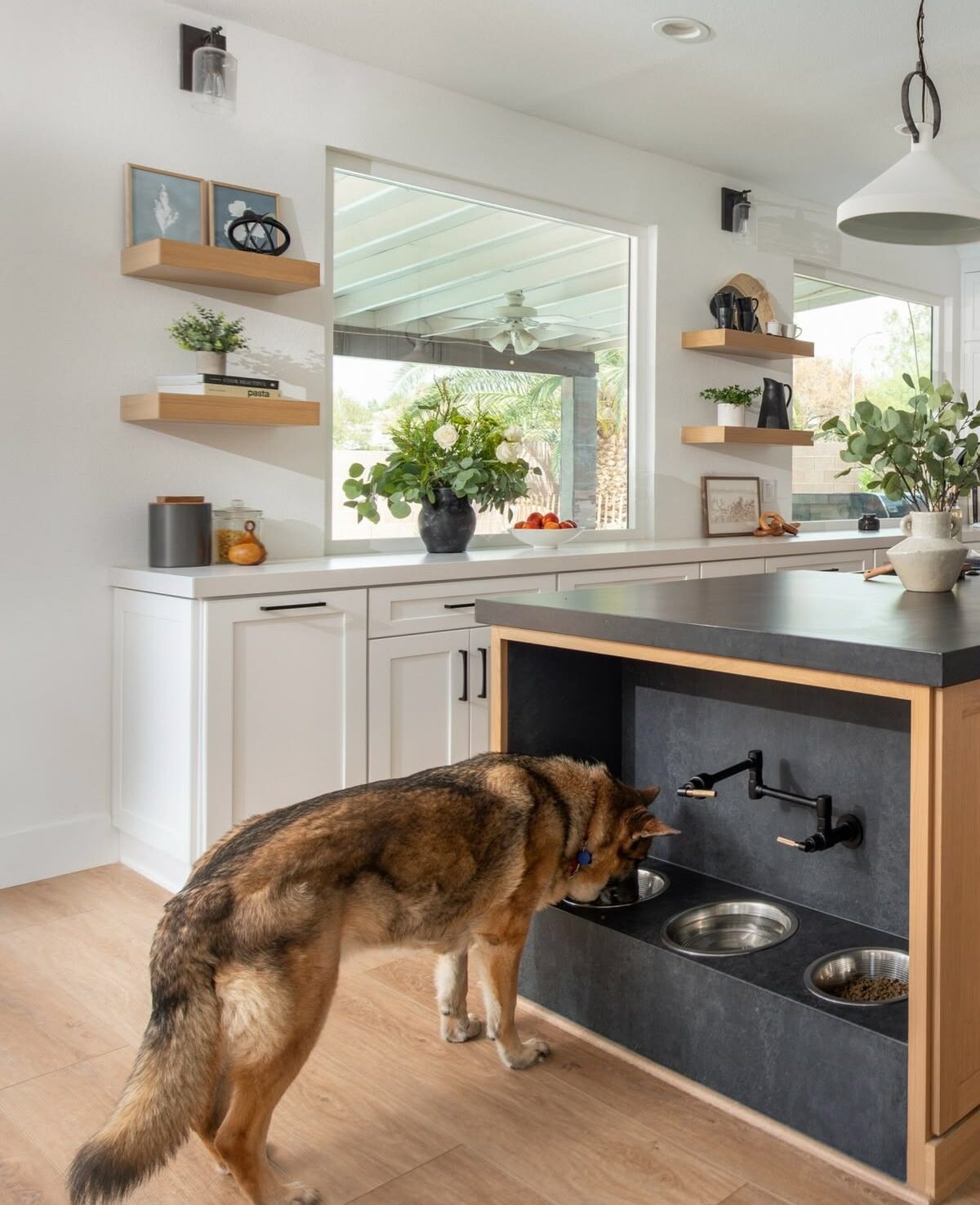
Designing a pet-friendly home involves thoughtful consideration of your pets’ needs and integrating specific features that enhance their accessibility and comfort. One of the most effective ways to achieve this is by incorporating built-in feeding stations. These designated areas can be integrated into kitchen cabinetry or a mudroom, providing a consistent space for your pets to eat. This not only keeps feeding supplies organized but also minimizes spills and messes, making it easier for pet owners to maintain cleanliness.
Another essential design element to consider is the installation of ramps, particularly for older or mobility-challenged pets. Ramps allow pets to easily access upper levels of a home or cross over obstacles without the strain that stairs can impose. The ramp design should incorporate sturdy materials that offer sufficient traction, ensuring safety while encouraging use. Additionally, locating ramps strategically in areas where pets frequently enter or exit can promote their use while maintaining a cohesive design aesthetic.
Furthermore, selecting easy-to-clean surfaces throughout the home can significantly improve the occupational comfort for both pets and their owners. Tile, hardwood, or specially-designed pet-friendly carpets offer greater durability and facilitate effortless cleaning. These materials are beneficial as they resist stains and odors, creating a healthier living environment. Beyond flooring, considering washable furnishings and pet-friendly fabrics can contribute to a stylish yet practical home.
During the design process, it is crucial to think beyond mere aesthetics. Each feature should be seamlessly integrated, ensuring a harmonious flow throughout the residence. The incorporation of these pet-accessible design features not only serves to enhance the quality of life for your furry companions but also ties into the overall functionality and style of the home. Ultimately, a well-considered pet-friendly design will foster an environment where pets and their owners can coexist joyfully.
Indoor Enrichment and Play Areas
Creating a pet-friendly home requires a thoughtful approach to indoor enrichment and play areas, which are essential for the mental and physical stimulation of your pets. Engaging pets in interactive activities not only promotes their well-being but also strengthens the bond between them and their owners. Thus, designing spaces specifically catered to their needs is crucial.
For dogs, interactive toys such as treat-dispensing balls or puzzle toys can be effective in keeping them occupied and mentally stimulated. Additionally, establishing a designated play area with ample space for activities like fetch or tug-of-war can encourage exercise while indoors. For smaller breeds, consider including ramps or soft play mats, allowing them safe avenues to climb and explore.
Cats, on the other hand, require vertical space for exercise and exploration. Installing wall-mounted shelves or cat trees provides opportunities for climbing and can create a multi-dimensional play environment. Engaging them with feather wands and laser pointers also encourages active play, satisfying their predatory instincts. Furthermore, incorporating scratching posts within this environment can prevent destructive behavior and keep your feline entertained.
For small animals like rabbits or guinea pigs, creating a habitat that allows for exploration is vital. Enrichment activities can include tunnels for hiding or maze-like structures to stimulate their curiosity. Safe, chew-friendly toys can be added to their environment to prevent boredom and promote healthy chewing behavior. Each pet has its unique play preferences, so observing and adapting to these tendencies is key.
Incorporating sensory enhancers such as varying textures, scents, and colors can further enrich your pets’ indoor environment. Shelters or hideaways also provide a sense of security where pets can retreat when feeling overwhelmed. Creating these enrichment and play areas tailored to your pet’s specific needs is pivotal for ensuring their happiness and health.
Outdoor Spaces: Fencing and Safety
Creating a safe outdoor environment for pets is crucial for their well-being and happiness. One of the primary considerations in pet-proofing your outdoor spaces is the installation of appropriate fencing. A secure fence not only prevents pets from escaping but also protects them from potential dangers outside your property. Options vary from traditional picket fences to more robust chain-link or privacy fences, depending on the size and breed of your pets. When selecting the type of fencing, consider how high it needs to be, as certain breeds may require taller fences due to their ability to jump or climb.
In addition to choosing the right type of fence, it is essential to ensure that the fencing is structurally sound without any gaps or weaknesses. Regular maintenance checks will help identify any issues that could enable escape or injury. Moreover, if your property is adjacent to a busy road, implementing an additional barrier such as hedges or natural barriers can further enhance safety.
Another important component of a pet-friendly outdoor space is landscaping. While creating a beautiful garden, it is vital to consider the safety of the plants around your home. Many common garden plants can be toxic to pets; therefore, it is advisable to research and opt for pet-safe plants. Additionally, deep mulch beds and decorative stones can pose choking hazards, so these should be used cautiously. Moreover, incorporating shaded areas is necessary to protect pets from excessive sun exposure, especially during the warmer months. Providing shelter, whether through trees, awnings, or doghouses, allows pets to cool down and enjoy the outdoors comfortably.
In conclusion, ensuring a safe outdoor environment for pets involves thoughtful considerations regarding fencing, landscaping, and facilities like shade. Through proper planning and maintenance, pet owners can create an inviting outdoor space that allows their pets to relax, play, and explore safely.
Choosing Non-Toxic Materials and Products
The well-being of our pets greatly depends on the environment we create for them at home. Choosing non-toxic materials and products is crucial in designing a space that is not only safe for our furry companions but also contributes to a healthier living space for everyone. The first step in this process is to select appropriate paints, cleaning agents, and other household items that are free from harmful chemicals.
When it comes to paints, look for those labeled as low-VOC (volatile organic compounds) or no-VOC, which indicate reduced emission of dangerous fumes. Brands like Behr’s Premium Plus or Sherwin-Williams’ Harmony line offer non-toxic paint options that maintain color quality without compromising pet safety.
Similarly, cleaning products often contain toxic ingredients that can adversely affect both pets and humans. Opt for eco-friendly and biodegradable cleaning solutions, where natural ingredients replace harsh chemicals. Brands like Seventh Generation and Method are known for producing effective non-toxic cleaners that are safe for use around pets.
Furthermore, consider the materials of furniture and flooring. Hardwoods that are untreated or finished with non-toxic options are preferable. Choose rugs and fabrics made from natural fibers like cotton or wool, as synthetic materials often contain chemicals that can emit toxins. Additionally, look for pet-safe brands that ensure all products adhere to stringent safety standards; for instance, pet beds from Happy Hounds or toys from Planet Dog can provide fun without the risk of harmful substances.
In conclusion, making careful choices regarding materials and products in your home can greatly enhance the safety and health of both your pets and your family. By prioritizing non-toxic options, you foster a nurturing environment that promotes overall well-being.
Maintaining a Pet-Friendly Home
Creating a pet-friendly home involves more than just making accommodations for your furry companions; it also requires a strategic approach to maintenance. Regular cleaning routines play a pivotal role in promoting a hygienic environment for both pets and humans. Establishing a cleaning schedule that aligns with the shedding and mess levels of your pets can significantly reduce the amount of dirt and fur that accumulates in your living space. For instance, vacuuming high-traffic areas and pet zones daily can prevent hair buildup, while deep cleaning carpets and upholstery every few weeks ensures that any entrenched odors or bacteria are effectively eliminated.
Odor control is another critical component of maintaining a pet-friendly atmosphere. Investing in air purifiers can help mitigate pet-related smells, while using enzymatic cleaners to address stains will ensure that odors are not merely masked but instead neutralized. Additionally, proper ventilation and regular wash of pet bedding are essential in keeping the air fresh and inviting. Utilizing pet-safe sprays that combat odors can also assist in maintaining a pleasant olfactory environment.
Managing pet-related messes requires proactive strategies, such as having designated areas for feeding and playing, which can contain spills and debris. Keeping necessary cleaning supplies within arm’s reach, such as pet wipes, disposable bags, and lint rollers, will allow for quick responses to any messes. Furthermore, establishing an organization plan can prove invaluable. This includes creating dedicated storage for toys, leashes, and grooming tools—ensuring items are easily accessible but neatly stored. By combining structured organization with regular cleaning, your home will remain both functional and welcoming for your pets.