


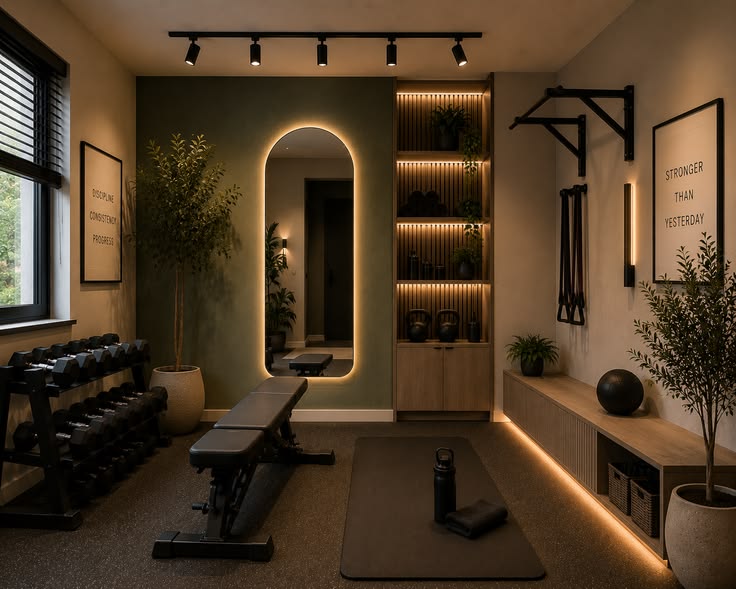
Introduction to Home Gyms
A home gym refers to a dedicated space within one’s residence that is equipped with fitness equipment and resources, facilitating personal workouts without the need for a commercial gym facility. The allure of home gyms has grown significantly in recent years, driven by several compelling factors that highlight their practicality and appeal.
One of the primary advantages of having a home gym is the convenience it offers. Individuals can work out on their schedule, eliminating the need to commute to a gym facility, which can often be time-consuming. This flexibility can lead to a more consistent workout routine, as exercise can be seamlessly integrated into daily life. Moreover, the comfort of exercising in a private environment can enhance focus and motivation, allowing users to concentrate on their fitness goals more effectively.
Cost savings represent another significant benefit of establishing a home gym. While the initial investment in equipment can be substantial, over time, it can prove to be more economical than a monthly gym membership. Gym memberships can accumulate substantial costs, particularly if fees increase over time, while a home gym generally incurs only one-time costs for equipment. Furthermore, once the setup is complete, individuals can enjoy unlimited access to their fitness space without ongoing expenses.
Lastly, the popularity of home gyms has surged, in part due to the rise of remote work and the increasing recognition of the importance of personal health and fitness. Many individuals have realized that they can create a personalized workout environment that suits their specific needs, preferences, and fitness aspirations. This trend underscores the growing tendency towards maintaining health resolutions and achieving fitness objectives in the comfort of one’s home.
Assessing Your Space
Creating a functional home gym begins with a comprehensive evaluation of the available space. Assessing your space helps ensure that the environment is conducive to your workout needs while also being comfortable and safe. Start by measuring the dimensions of the area where you plan to set up your gym. This measurement is crucial as it will determine what equipment can fit and the types of exercises you can perform.
Attention should also be given to the flooring of the space. A gym space requires a sturdy, resilient floor that can absorb impact and provide adequate traction. Options like rubber mats or foam tiles are ideal for providing a cushioned surface while minimizing the risk of injury. If your space features hard flooring, consider adding extra cushioning to accommodate higher-impact activities.
Next, consider the lighting and ventilation in the space. A well-lit gym can significantly enhance your workout experience. If possible, take advantage of natural light, as it can boost morale and energy levels. Supplementing with bright, artificial lighting can further illuminate your workout space. Equally important is good ventilation; ensure the area has windows or a fan to promote airflow, as a stuffy environment can hinder performance and motivation.
For those with limited space, strategic organization can maximize functionality. Vertical storage solutions can keep equipment off the floor, while foldable or multifunctional furniture allows for space-saving without sacrificing workout capabilities. If you have a larger area, zoning the different exercise modalities—such as cardio, strength training, and flexibility—can create an organized and visually appealing environment.
Ultimately, evaluating your space is a foundational step in creating a home gym. By taking stock of dimensions, flooring, lighting, and ventilation, you can create an effective and enjoyable workout atmosphere that meets your personal fitness goals.
Determining Your Fitness Goals
Establishing clear fitness goals is a crucial first step in creating a functional home gym that meets your specific needs. Understanding what you wish to achieve can significantly influence the types of equipment you invest in and the workout routines you design. Common fitness objectives include weight loss, building strength, enhancing flexibility, and improving overall fitness levels. By clarifying your goals, you can tailor your home gym experience to maximize its effectiveness.
For those primarily focused on weight loss, incorporating cardiovascular equipment such as treadmills, stationary bikes, or ellipticals becomes essential. Additionally, a variety of bodyweight exercises can be included to foster fat loss while maintaining lean muscle. On the other hand, if strength training is your priority, resistance machines, free weights, and cables are vital. These tools can help you build muscle efficiently and safely.
Flexibility training is another fundamental aspect of fitness that should not be overlooked. A well-rounded home gym might include yoga mats, resistance bands, or foam rollers to encourage flexibility and enhance recovery. This would not only aid in improving your range of motion but also reduce the risk of injury.
Lastly, if your objective is to cultivate overall fitness, a combination of cardio, strength training, and flexibility equipment is advisable. This balanced approach ensures comprehensive workouts that can adapt as your fitness level progresses. Regardless of the specific goals you set, regularly assessing and adjusting them can keep your home gym aligned with your evolving fitness journey.
Essential Equipment for a Home Gym
Creating a functional home gym requires careful consideration of the types of workouts you wish to perform. To cater to a variety of fitness regimes, it is essential to invest in equipment that supports cardio, strength training, and flexibility, all while considering budget-friendly options and space-efficient alternatives.
For cardiovascular activities, a treadmill or exercise bike can be advantageous. If space is a concern, consider opting for compact equipment such as a jump rope or a resistance band, both of which can provide excellent cardio workouts without occupying much room. Alternatively, a high-quality elliptical machine offers a low-impact option for those looking to elevate their heart rate.
When it comes to strength training, dumbbells are a versatile choice, allowing for a range of exercises targeting different muscle groups. Adjustable dumbbells are particularly beneficial for their space-saving design, as they eliminate the need for multiple sets. Kettlebells are another effective tool for strength workouts, combining strength and endurance training. If you prefer bodyweight exercises, consider adding a pull-up bar or suspension trainer, which can easily be mounted in doorways or on walls.
To enhance flexibility and recovery, incorporating items such as a yoga mat, foam roller, and resistance bands is essential. A yoga mat provides a designated space for stretches and yoga poses, while foam rollers are ideal for self-myofascial release, promoting muscle recovery and flexibility. Resistance bands can also be utilized for stretching and dynamic warm-up activities.
Ultimately, the choice of equipment will depend on your specific fitness goals, available space, and budget. By selecting the right combination of essential tools, you can create a home gym that suits your needs while promoting a diverse and effective workout routine.
Designing Your Home Gym Layout
Creating an efficient layout for your home gym is crucial for promoting a productive workout environment. A well-designed gym space not only boosts motivation but also enhances safety and accessibility. When outlining the layout, consider the natural flow of movement through the area, ensuring that you can transition seamlessly between different workout zones.
Begin by assessing the available space in your home. Identify areas where you can place larger equipment, such as treadmills or weight machines, while also leaving enough room for free weights and floor exercises. Positioning your equipment strategically can help you optimize space and maintain an organized feel within the gym. For example, consider placing heavier machines along the perimeter to keep the center open for stretching or high-intensity exercises.
It is essential to create defined workout zones tailored to your fitness routines. Designate specific areas for cardio, strength training, and flexibility exercises. This organization helps not only during workouts but also minimizes distractions. Furthermore, ensure that these zones are well-equipped with the necessary tools, such as mats for floor work and racks for weights, making transitions between exercises smoother.
Accessibility also plays a vital role in your home gym layout. Make sure all equipment is within easy reach to avoid any interruptions during your sessions. Consider adding storage solutions to keep your gym clutter-free. Wall-mounted shelves or storage bins can store smaller accessories like resistance bands and dumbbells, allowing for quick retrieval and safe keeping.
Lastly, prioritize safety. Ensure there is adequate space around each piece of equipment, allowing for safe maneuverability. Proper lighting and flooring will help prevent accidents and provide an inviting atmosphere to enhance your training experience. A well-structured layout can significantly influence the effectiveness of your workouts, fostering a more enjoyable and efficient home gym environment.
Incorporating Multimedia and Technology
The integration of multimedia and technology into a home gym environment can significantly enhance the overall workout experience. With the rise of fitness apps, virtual classes, and advanced fitness trackers, individuals have access to a variety of tools that can optimize their training regimen. These technological advancements not only provide guidance during workouts but also serve as a continuous source of motivation.
Fitness apps have become increasingly popular, offering a wide array of features such as personalized workout plans, tracking capabilities, and even instructional videos. By utilizing these apps, users can design routines tailored to their fitness goals, whether they aim to improve strength, flexibility, or endurance. Moreover, many apps include progress tracking functionality, enabling individuals to monitor improvements over time. This feature can be a significant motivator, encouraging users to remain consistent and push towards their targets.
Virtual classes, accessible through various platforms, bring a group workout atmosphere right into your home. With the option to join live sessions or access on-demand classes, individuals can engage in a structured workout led by an experienced instructor. Participating in these classes can foster a sense of community and accountability, which often keeps users more engaged with their fitness journeys.
Fitness trackers also play a crucial role in enhancing a home gym experience. These devices can provide real-time data on heart rate, calories burned, and overall activity levels. By wearing a fitness tracker, individuals can gain valuable insights into their performance, helping them make informed decisions about their workouts. This ongoing collection of data ensures that users stay aware of their physical progress, which can be pivotal for maintaining motivation and achieving fitness objectives.
Creating a Motivational and Inviting Atmosphere
Designing an engaging home gym environment is fundamental to fostering motivation and encouraging consistency in your fitness journey. The right atmosphere can enhance your workout experience, making it more enjoyable and effective. To achieve this, consider several key elements including color schemes, decor, lighting, and music.
Starting with color schemes, choose hues that inspire energy and positivity. Bright colors like orange and yellow can evoke feelings of enthusiasm, while cooler tones such as blue and green promote calmness and relaxation. Aim for a balanced palette; combining energetic and soothing shades can enhance your mood while working out. Adding motivational wall art or posters can further personalize the space and serve as constant reminders of your fitness goals.
Next, lighting plays a significant role in setting the tone for your home gym. Natural light is optimal, so position your gym in a space with ample windows, if possible. This will not only brighten the area but also create a connection to the outdoors, promoting a lively atmosphere. If natural light is limited, consider installing adjustable LED lights, which can be tailored to suit different types of workouts, from dynamic cardio sessions to calm yoga practices.
Another important aspect to enhance the environment is music. Creating a playlist that resonates with your personal taste can energize your workouts and help maintain focus. Whether you prefer upbeat tracks or more soothing melodies, the right soundtrack can increase your endurance and make exercising feel less like a chore.
Ultimately, the goal is to curate a space that aligns with your individual tastes and inspires you to engage regularly with your fitness routine. By thoughtfully integrating color, decor, lighting, and music, your home gym can become a motivational sanctuary that supports your health and wellness journey.
Establishing a Workout Routine
Establishing a consistent workout routine is crucial for achieving fitness goals and maintaining a healthy lifestyle. A well-planned and balanced fitness regimen can be seamlessly integrated into daily life, ensuring the commitment to physical activity is sustainable and enjoyable.
To begin, consider your schedule and identify times that best fit your routine. It is essential to establish specific workout days and times to create a sense of accountability. Aim for at least three to five days of exercise per week, varying the intensity and types of workouts to avoid monotony and overuse injuries. Incorporating different exercise modalities—such as strength training, cardiovascular workouts, and flexibility exercises—can provide a comprehensive approach to fitness.
For instance, a balanced weekly routine might include strength training sessions on Mondays and Thursdays, cardio workouts on Tuesdays and Saturdays, and yoga or stretching sessions on Wednesdays and Sundays. This approach serves to not only activate various muscle groups but also allows the body adequate recovery time between strength training sessions. It is important to listen to your body and adjust the schedule as needed, especially if fatigue sets in.
In addition, setting small, attainable goals can enhance motivation and foster adherence to your workout plan. Whether it is increasing the number of repetitions, setting new personal bests, or simply committing to a consistent workout schedule, tracking progress can prove beneficial. Utilizing fitness apps or journals can offer visual motivation, enabling you to celebrate small victories along the way.
As you develop your workout routine, always prioritize consistency over intensity. Making exercise a regular part of your life, rather than an occasional task, can lead to long-term success.
Maintaining and Updating Your Home Gym
To truly enjoy the benefits of a home gym, consistent maintenance and timely updates are essential. An organized and clean environment not only enhances motivation but also promotes safety during workouts. Regular cleaning should become a routine, ensuring that equipment is free from dust, sweat, and grime. This includes wiping down machines after use and vacuuming or mopping the floors regularly. Neglecting to keep equipment clean can lead to deterioration and reduce the lifespan of your investments.
Moreover, it is crucial to assess your home gym’s organization periodically. A cluttered space can affect your workout efficiency and overall experience. Implementing clear storage solutions, such as racks or bins, allows for easy access to weights and accessories while also preventing injury and confusion. Labeling storage areas can further enhance the organization of the space.
Updating equipment or adding new items is another significant aspect to consider as your fitness levels evolve. Initially, it may suffice to have basic tools like dumbbells, a yoga mat, and resistance bands. However, as your fitness journey progresses and your goals change, you may require more specialized equipment such as kettlebells, a bench, or a cardio machine. Keeping an eye on the fitness industry for new trends and innovations can also provide insights on useful additions that may enhance your workout routine.
Moreover, consider replacing any worn-out or damaged equipment. Regular inspections for signs of wear, such as fraying cables on machines or rusty weights, are crucial. Investing in your home gym by updating it with high-quality equipment can significantly enhance your workout experience and ensure safety. Ultimately, a well-maintained and regularly updated home gym will serve as a conducive environment for reaching your fitness goals effectively.