Understanding Your Personal Style
Identifying your personal style in home decor is a crucial step towards creating a space that resonates with who you are. Personal style can be influenced by various factors, including your lifestyle, personality, and the emotions that certain designs evoke. By understanding your preferences, you can more effectively choose elements for your home that make you feel comfortable and inspired.
There are several design styles to explore, each embodying unique characteristics. Modern design, for instance, emphasizes clean lines, minimalism, and functional furniture. On the other hand, rustic style often incorporates warm wood tones and natural textures, bringing a cozy and welcoming feel. Bohemian decor combines vibrant colors and eclectic patterns for a free-spirited aesthetic, while minimalist design focuses on simplicity and an uncluttered environment. Understanding these options can help you pinpoint what aligns most closely with your vision.
A practical way to assess your personal style is by creating inspiration boards. Gather images from magazines, websites, or catalogs that captivate you. These boards will not only display your preferences but also reveal patterns in your choices, indicating your favored styles. Additionally, visiting real homes can provide valuable context. Attend open houses or casual gatherings to observe how others implement various design elements in their spaces.
In today’s digital age, social media also serves as an invaluable tool for discovering your style. Follow accounts that showcase design concepts you admire. Platforms like Pinterest and Instagram allow you to save and categorize visually appealing posts, which can greatly assist in refining your aesthetic preferences.
By immersing yourself in different styles and sources of inspiration, you can develop a deeper understanding of your personal style, paving the way for a beautiful home you will love every day.
Decluttering for a Fresh Start
Creating a beautiful home begins with decluttering, which plays a crucial role in transforming living spaces into environments that are inviting and serene. Decluttering involves systematically eliminating unnecessary items that accumulate over time, making room for a more organized and aesthetically pleasing atmosphere. One effective strategy is the ‘one year rule,’ which suggests that if you haven’t used an item in the past year, it is likely that you won’t need it in the future. This simple guideline can help in making swift, yet mindful decisions regarding what to keep and what to discard.
When approaching decluttering, categorizing items can enhance the effectiveness of the process. Start by dividing belongings into categories such as keep, donate, recycle, and toss. This method simplifies the decision-making process and ensures that every item is addressed thoughtfully. Consider using bins or boxes to sort items during the decluttering session — this not only organizes the space but also provides visual cues for progress. The act of physically sorting through belongings can also spark joy, as it allows you to reconnect with cherished possessions and acknowledge those that no longer serve a purpose.
Beyond physical space, decluttering has emotional benefits that contribute to overall well-being. Letting go of excess belongings creates a sense of liberation, reducing stress and anxiety often associated with clutter. A decluttered home fosters clarity and promotes a sense of calm, enabling individuals to focus on what truly matters. By embracing a minimalist approach, you cultivate a space that aligns with your values and lifestyle, allowing your home to reflect who you are and bringing a sense of enjoyment to your everyday life.
Choosing a Color Palette
When creating a beautiful home that resonates with your personal style, the selection of a cohesive color palette is paramount. Colors are not merely visual elements; they hold the power to influence mood and evoke emotions. Understanding color psychology can significantly aid in making informed choices that enhance the ambiance of each room.
Color psychology suggests that different hues can induce various feelings. For instance, cool colors, such as blues and greens, are known to promote calmness and tranquility, making them ideal for spaces designated for relaxation. On the other hand, warm colors like reds and oranges can energize a room, suitable for areas where activity and socialization occur. By being mindful of these associations, homeowners can create environments that reflect their desired atmosphere.
When establishing a color palette, consider selecting a primary color that embodies your personality, complemented by secondary and accent colors that provide visual interest. A successful palette typically includes a combination of three to five harmonious shades. For instance, a soft gray can serve as the primary base, enhanced by a bold teal accent, and warmed with earth-toned accessories.
Furthermore, the choice of color can vary by room functionality. In bedrooms, softer, muted tones can create serene escapes, whereas kitchens and dining areas may benefit from brighter, more inviting shades. Incorporating textures and patterns can enhance the palette’s depth; for instance, a patterned throw or textured wall can introduce a layer without overwhelming the senses.
In conclusion, choosing a color palette is a crucial step in designing a home you’ll love every day. By embracing color psychology and thoughtfully curating your choices, you can craft spaces that not only look appealing but also resonate emotionally with your lifestyle.
Furniture Selection and Arrangement
Choosing the right furniture is a pivotal aspect of creating a beautiful home that you’ll love to inhabit daily. The selection process should prioritize both style and functionality, ensuring that each piece not only complements the aesthetic of your space but also meets the practical needs of your lifestyle. Begin by assessing the dimensions of the room and selecting furniture that fits well without overwhelming the area. Consider using multi-functional pieces, such as ottomans with storage or extendable dining tables, which can help maximize the utility of your space while maintaining its visual appeal.
When arranging furniture, acknowledge the principles of scaling and proportion. Larger furniture pieces can anchor a room but should be paired with appropriately sized accessories to avoid an unbalanced look. For smaller rooms, opt for lighter materials and colors which can help create an illusion of openness. Spatial flow is essential, so maintain pathways that allow for easy movement throughout your home. This can be achieved by orienting sofas and chairs in a way that encourages conversation while ensuring access to areas like doorways and light sources.
Additionally, vary the height of furniture to add visual interest to your space. Incorporating a mix of tall bookshelves, low-lying coffee tables, or accent tables can create a dynamic environment that invites exploration. Consider how different layouts, such as an open plan or defined zones, affect the overall ambiance of your rooms. The key to a well-organized and beautiful home lies not just in the selection of furniture but in how effectively these pieces are arranged to promote comfort and functionality.
Incorporating Personal Touches
Creating a home that resonates with warmth and individuality often begins with the inclusion of personal touches in home decor. The essence of a beloved space lies in the unique stories it conveys, and incorporating meaningful items can greatly enhance this sentiment. Personal touches can manifest through various forms of decor, providing both aesthetic appeal and emotional significance.
One of the most effective ways to convey personal stories is through art. Displaying meaningful artwork, whether it be original pieces from local artists or cherished prints, instills a sense of connection and character within a space. Consider choosing artworks that reflect personal interests or memorable experiences. Additionally, family photographs can be strategically positioned around your home, serving as a constant reminder of treasured moments and relationships, evoking nostalgia and warmth.
Travel souvenirs also serve as excellent decor items, narrating adventure tales from your life. Framed maps, postcards, or small trinkets collected from various trips can be integrated into your home, stimulating conversations and allowing visitors a glimpse into your journeys. Furthermore, heirlooms passed down through generations can add a rich historical context to your décor, reinforcing familial bonds and heritage.
By thoughtfully incorporating these elements, the result is a decorating style that is not only visually appealing but also inherently meaningful. Each piece becomes a thread in the fabric of your home, contributing to a cohesive narrative that reflects your identity, values, and experiences. The key lies in curating these personal touches in a manner that feels authentic to you, ensuring that your home is a true sanctuary that resonates with fond memories and cherished stories.
Lighting: Setting the Mood
Lighting is an essential aspect of interior design, significantly affecting the mood and overall ambiance of a home. The right lighting can transform a space, making it warm and inviting, while poor lighting can lead to an unwelcoming environment. Understanding the different types of lighting is critical for any homeowner looking to enhance their living spaces.
There are three primary types of lighting to consider: ambient, task, and accent lighting. Ambient lighting serves as the overall illumination in a room, providing a comfortable level of brightness without glare. It is usually achieved through ceiling fixtures or wall sconces and is fundamental in creating a balanced environment.
Task lighting, on the other hand, is designed to illuminate areas where specific activities are performed, such as reading, cooking, or studying. This type of lighting is often provided by desk lamps, under-cabinet lights in kitchens, or reading lights beside beds. It is especially important in areas where precision and focus are required.
Lastly, accent lighting adds drama and visual interest to a space by highlighting architectural features, artwork, or decorative items. This type of lighting can include spotlights, track lighting, or even decorative lamps that draw attention to particular elements within a room.
To effectively layer light within a space, it is crucial to combine these three types in a strategic manner. For instance, using ambient lighting as the foundation, alongside task and accent lights, can create a dynamic and versatile atmosphere. When selecting fixtures, consider choosing designs that not only serve the practical purposes but also complement the home’s overall aesthetic. This cohesive approach will enable you to create a beautifully lit environment, ensuring that your home feels welcoming every day.
Benefits of Integrating Natural Elements into Home Decor
Incorporating natural elements into home decor can significantly enhance the aesthetic and emotional quality of living spaces. Research indicates that exposure to natural environments profoundly affects human psychology, contributing to improved mood and well-being. By inviting the outdoors in, homeowners can create a serene and harmonious atmosphere that promotes relaxation, creativity, and overall happiness.
One of the most effective ways to integrate natural elements is through the use of indoor plants. Plants not only act as beautiful decorative features but also improve air quality by filtering out toxins and releasing oxygen. Varieties such as snake plants, pothos, and peace lilies are excellent choices for indoor environments, as they are low-maintenance and thrive in various lighting conditions. Adding greenery to rooms can evoke feelings of tranquility and bring a touch of vitality to the living space.
In addition to plants, utilizing natural materials in decor can further enhance the organic feel of a home. Materials such as wood, stone, and bamboo can be incorporated into furniture, accents, and flooring. Textiles made from linen, cotton, or wool also add warmth and a tactile quality that complements the nature-inspired theme. Choosing eco-friendly materials not only supports sustainability but also fosters a connection with the environment, aligning one’s living space with personal values.
Natural light is another crucial element that can transform a home’s ambiance. Maximizing natural light through windows and skylights can create an airy and inviting space. Using sheer curtains can help filter sunlight while maintaining privacy, contributing to an open and bright environment. Additionally, the interplay of light and shadow throughout the day enhances the overall mood and dynamics of a room.
In summary, integrating nature elements into home decor—whether through plants, natural materials, or light—offers numerous benefits that enhance not only the visual appeal but also the psychological well-being of occupants. When thoughtfully incorporated, these elements can create a nurturing and beautiful home that can be enjoyed every day.
Creating Cozy Spaces
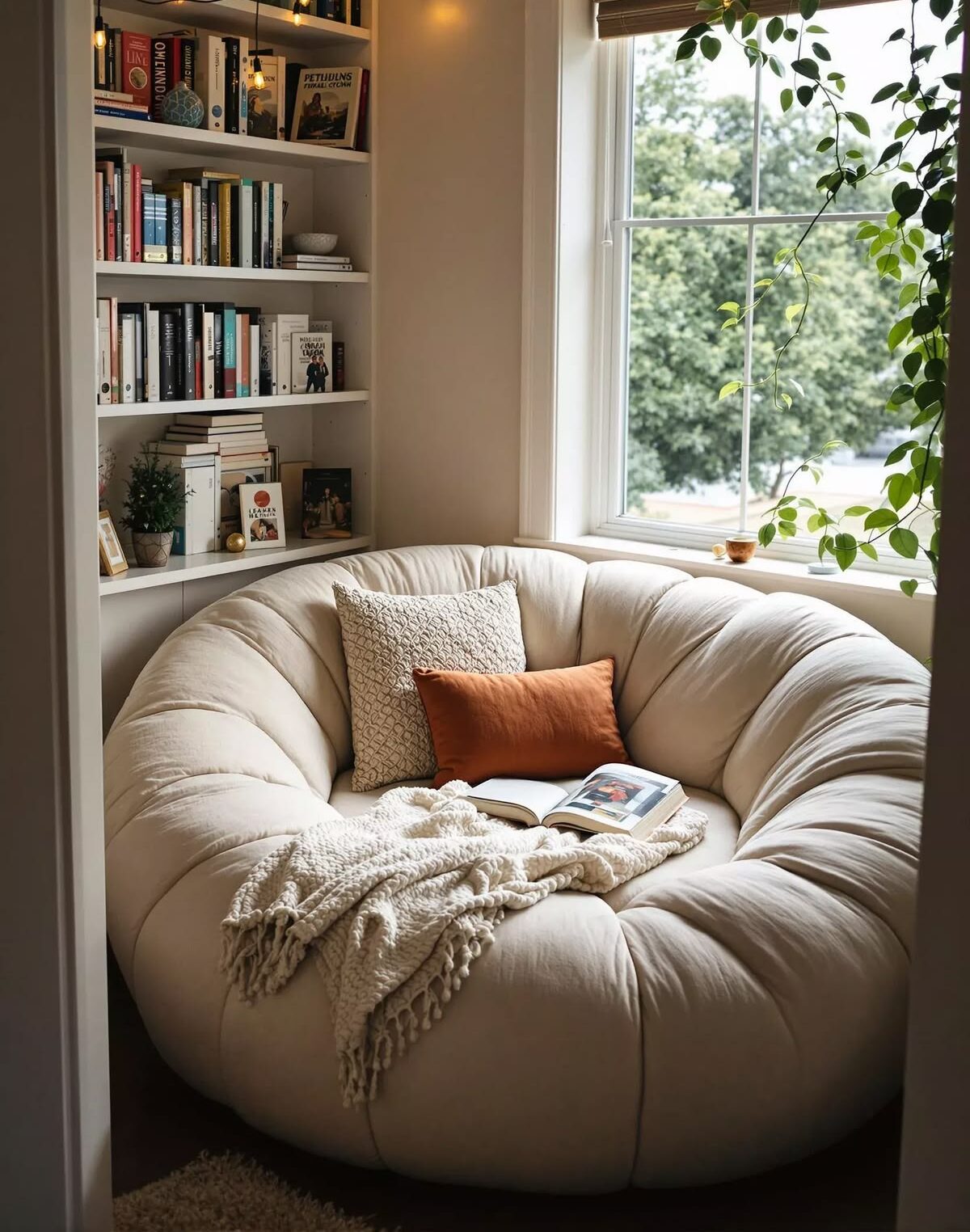
Creating inviting and cozy spaces within your home involves thoughtful consideration of design elements that promote warmth and comfort. One of the simplest yet most effective ways to enhance the coziness of a room is through the selection of textiles. Consider incorporating soft, plush rugs to define spaces and encourage relaxation. Rugs not only add warmth underfoot but can also enhance the color palette and texture of a room, providing both visual appeal and physical comfort.
Cushions and throws are other essential elements that transform a standard seating area into a cozy retreat. Opt for a variety of sizes, shapes, and textures when choosing cushions for your sofa or armchairs. Mixing and matching patterns can also create an eclectic feel that draws people in. Additionally, throws can be draped over furniture or strategically placed on seating to invite use, offering a tangible layer of comfort that makes a space feel more lived-in and welcoming.
A key aspect of creating cozy spaces is arranging seating to encourage interaction and conversation. Rather than lining furniture against the walls, consider grouping seating options in a circle or semi-circle formation. This arrangement fosters a sense of intimacy among guests and creates an environment that invites dialogue. Incorporating multifunctional furniture like ottomans can provide extra seating or surface space without overwhelming the room.
The use of lighting is also crucial in establishing a cozy ambiance. Soft, warm lighting creates a soothing atmosphere, while strategically placing lamps and sconces can eliminate harsh shadows and make the space feel more inviting overall. Consider dimmers to further control brightness levels, tailoring the light to your mood or occasion.
By thoughtfully selecting textiles, arranging seating, and optimizing lighting, you can create cozy spaces that resonate with warmth and charm throughout your home.
Maintaining Your Beautiful Home
Preserving the beauty of your home requires ongoing attention and care. Regular maintenance not only enhances the aesthetic value of your space but also contributes to a pleasant living environment. Establishing a systematic cleaning routine is paramount. By dedicating time each week to tidy up your home, you can prevent clutter from accumulating. This routine should include dusting surfaces, vacuuming carpets, and mopping hard floors. Additionally, consider implementing a seasonal deep-cleaning schedule to tackle areas that may be overlooked, such as window treatments and behind large furniture.
Furthermore, refreshing your decor periodically can significantly uplift the ambiance of your home. This does not necessarily mean a complete overhaul; rather, simple changes like swapping out throw pillows, updating artwork, or introducing seasonal decorations can instill a sense of novelty. Plants, for instance, can invigorate a room’s atmosphere while improving air quality. It is also beneficial to assess your decor periodically to ensure it aligns with your current tastes and preferences.
In addition to cleaning and refreshing your home, consider making small, impactful updates throughout the year. Simple projects like painting a room, changing cabinet hardware, or installing new lighting fixtures can improve functionality and aesthetic appeal. Even minor improvements can breathe new life into your living space and keep it feeling engaging. Ultimately, maintaining a beautiful home is about consistency and a willingness to adapt. By embracing these practices, you not only cherish your surroundings but also cultivate a space where you feel comfortable and inspired every day.