


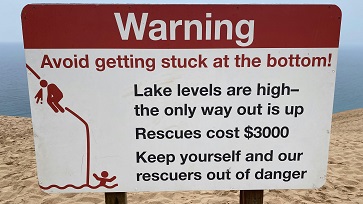
In the realm of personal finance, recognizing warning signs is crucial in avoiding potential pitfalls and losses. Financial warning signs can be broadly categorized into minor indicators and significant red flags. Minor indicators may include changes in spending habits or small increases in debt, which, if left unchecked, can escalate into more severe issues. On the other hand, significant red flags, such as severe cash flow problems or consistently exceeding budget limits, signal deeper financial troubles that need urgent attention. One of the first steps in identifying financial warning signs is to monitor your spending patterns closely. A sudden spike in expenditures, especially if it deviates from your established budget, is often a clear indication of financial distress. Similarly, if you notice that you are relying more on credit cards to meet everyday expenses, it may suggest that your financial stability is at risk. Regularly reviewing bank statements and understanding where your money is going can help you spot these issues early on.
Recognizing these signs early can play a significant role in mitigating risks. By addressing minor issues promptly, you can often prevent them from becoming major financial problems. For instance, if you identify an upward trend in your expenses, you can take corrective actions before it leads to overwhelming debt. Furthermore, being proactive allows you to make informed financial decisions, leading to more sustainable financial health.
Moreover, understanding the difference between minor indicators and red flags can equip you with the knowledge to seek professional advice if necessary. A financial advisor can help in diagnosing the situation and recommending strategies to address the concerns effectively. As we navigate the complexities of personal finance, staying vigilant and informed will empower us to manage our financial lives more effectively.
Common Warning Signs of Financial Trouble
Recognizing the common warning signs of financial trouble is essential for both individuals and businesses aiming to manage their finances effectively. While each financial situation is unique, certain indicators may suggest that a person or organization is experiencing fiscal difficulties.
One of the most significant warning signs is increased debt levels. When individuals notice a rise in credit card balances or loans, particularly if they are incurring more debt than they can manage, it often indicates financial strain. For instance, a person who consistently relies on credit cards for daily expenses may be facing a critical situation. This behavior can lead to a debt cycle that is hard to escape from.
Another critical indicator is missed payments. Whether it’s for credit cards, utilities, or rent, failing to make regular payments can signify that cash flow is becoming increasingly constricted. A business that begins to delay payment to suppliers may also signal deeper financial issues, demonstrating the need for timely cash management.
A declining savings account balance serves as another red flag. Individuals or families who find their savings dwindling due to inability to save regularly or excessive withdrawals may be heading for financial difficulties. Similarly, businesses with insufficient reserves may struggle to cover unexpected expenses, risking their long-term stability.
Changes in spending habits can also indicate financial problems. For example, a person who previously enjoyed dining out regularly may start to forgo such luxuries, which could suggest a tightening of personal finances. Likewise, businesses that cut back on essential operational costs may be experiencing financial challenges, demonstrating a reactive rather than planned approach to budget management.
By understanding these common warning signs, individuals and businesses can take proactive measures to mitigate potential financial troubles ahead.
Impact of Ignoring Warning Signs
Ignoring financial warning signs can have multifaceted consequences that escalate over time, often leading to more severe financial distress. Initially, overlooking signs of financial strain, such as late payment notices, rising credit card balances, or dwindling savings, can result in an accumulating debt cycle. When individuals fail to address these indicators, they may find themselves relying on loans or credit cards to cover everyday expenses, leading to a precarious financial situation.
The accumulation of debt is not merely a minor inconvenience; it poses significant risks to one’s credit score. As payments are missed or made late, the credit score tends to take a substantial hit. A reduced credit score can hinder future financial opportunities, including the ability to secure loans with favorable terms or even renting a home. High-interest rates may also become a burden when individuals attempt to refinance their debts, compounding the financial strain.
Moreover, the long-term ramifications of ignoring these financial warning signs can culminate in severe outcomes, including bankruptcy or financial ruin. When debt reaches unmanageable levels, individuals may find themselves with few viable options, leading to legal actions, loss of assets, or severe restrictions in future financial endeavors. The emotional and psychological toll of such a situation can be equally devastating, impacting mental well-being and relationships.
Therefore, it is imperative for individuals to remain vigilant regarding their financial health. Proactively addressing warning signs allows for timely intervention, potentially mitigating the adverse effects of ignoring financial issues. Establishing a comprehensive financial plan, regularly assessing one’s financial situation, and seeking professional advice when necessary can help in maintaining financial stability and avoiding the pitfalls of negligence.
Strategies to Mitigate Financial Risks
Mitigating financial risks is crucial for safeguarding one’s financial well-being. By employing practical strategies, individuals can proactively address warning signs that may suggest deeper financial issues. One fundamental approach is the implementation of effective budgeting techniques. A well-structured budget not only tracks income and expenditures but also highlights areas where spending can be trimmed. Utilizing the 50/30/20 rule as a guideline, individuals can allocate 50% of their income to necessities, 30% to discretionary spending, and 20% toward savings and debt repayment. This framework helps maintain a clear perspective on financial priorities.
Another significant aspect of financial management is debt management. High-interest debts can quickly spiral out of control, leading individuals into a precarious financial situation. To combat this, creating a debt repayment plan is essential. Prioritizing debts by interest rate—known as the avalanche method—or by account balance—the snowball method—can enable individuals to pay off debts more effectively. By reducing liabilities methodically, a sense of control is regained over one’s finances.
Moreover, the establishment of an emergency fund is an indispensable financial strategy. This fund acts as a safety net during unforeseen financial setbacks, ensuring that individuals are not forced to rely on credit cards or loans when emergencies arise. Financial experts recommend setting aside three to six months’ worth of living expenses in a separate, easily accessible account. By securing this fund, potential adverse situations can be managed without disrupting one’s overall financial stability.
Lastly, seeking professional financial advice can provide valuable insights tailored to individual situations. Certified financial planners can offer personalized strategies and help navigate complex financial landscapes. Engaging with a financial advisor can empower individuals to make informed decisions, fostering a sound financial future. Together, these strategies create a comprehensive approach to mitigating financial risks, ultimately leading to enhanced financial security.