


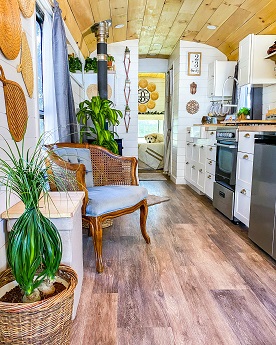
Tiny home living has emerged as a popular alternative to conventional housing, attracting those who seek a more sustainable and affordable lifestyle. As urban populations continue to swell and housing prices soar, many individuals and families are opting for smaller living spaces that prioritize efficiency and minimalism. These compact dwellings typically range from 100 to 400 square feet, offering a unique appeal to individuals who desire a simpler way of life.
One of the primary benefits of tiny home living is the significant reduction in housing costs. Smaller homes require less investment, not only in their purchase but also in maintenance and utilities. This financial freedom allows individuals to allocate their resources toward experiences and values that matter most to them, rather than being burdened by extensive mortgage payments or rent. Additionally, the environmental implications of living in a tiny home align well with sustainability ideals, as smaller spaces tend to consume less energy and encourage eco-friendly practices.
However, transitioning to tiny home living does come with its challenges. Downsizing requires careful consideration of essential belongings and a commitment to living with less. This lifestyle shift often leads to the adoption of minimalism—a philosophy that encourages the simplification of one’s life by focusing on what truly matters, freeing individuals from the clutter of excess possessions.
Efficient space utilization in tiny homes plays a crucial role in maximizing the functionality of these compact environments. Innovative furniture solutions are necessary for accommodating various needs and activities within limited square footage. By understanding the principles of tiny home living and recognizing its benefits, homeowners can develop strategies to navigate the inherent challenges, ultimately enjoying a fulfilling life in their smaller living space.
Key Characteristics of Space-Saving Furniture
Space-saving furniture is designed with the primary goal of maximizing functionality in limited spaces, making it an essential element for owners of tiny homes. One of the key characteristics of this type of furniture is its multifunctionality. Many pieces serve multiple purposes, such as a sofa that converts into a bed or a coffee table that can extend into a dining surface. This versatility allows homeowners to make the most of their available square footage, providing both practicality and flexibility within their living area.
Additionally, lightweight materials play a significant role in the design of space-saving furniture. Items made from materials like aluminum, engineered wood, or composite materials are easier to move and rearrange, enabling quick adaptations to different needs or occasions. This is particularly useful in small homes, where the arrangement of furniture often needs to change to accommodate various activities or to create a more open environment.
Compact designs are also a hallmark of space-saving furniture. For example, foldable tables and chairs can be easily stowed away when not in use, significantly freeing up floor space. Moreover, extendable dining sets can be adjusted to accommodate varying numbers of guests, ensuring that hosts can entertain without compromising daily living space. Hidden storage compartments are another feature commonly found in these designs, allowing for efficient use of every nook and cranny in a tiny home. For instance, ottomans with storage inside or bed frames featuring drawers can help reduce clutter, creating a more organized and functional area.
Lastly, ergonomically designed pieces ensure that space-saving furniture is comfortable, allowing users to enjoy their homes without sacrificing usability. Clever designs not only enhance functionality in cramped quarters but also contribute to a livable atmosphere, reflecting the importance of thoughtful design in tiny spaces.
Creative Space-Saving Furniture Ideas
In the realm of tiny homes, optimizing space is paramount, and integrating versatile furniture becomes essential. One of the most effective solutions is the Murphy bed, which can be folded into the wall, freeing up precious floor space during the day. These beds are available in various designs to enhance both functionality and aesthetics, ensuring that the sleeping area blends seamlessly with the overall decor.
Another innovative option is the convertible sofa, which serves as both a cozy seating area and can transform into a bed for guests. Selecting a sofa with storage capabilities can further enhance space efficiency. Ottomans, for example, can double as seating, footrests, or additional storage, making them ideal for compact living areas.
Nesting tables are a fantastic addition as well, providing multiple surfaces that can be stacked together when not in use, thus minimizing clutter. When pulled apart, they can be used as side tables or coffee tables, adapting to various needs without overwhelming the space.
Incorporating built-in shelving units provides an excellent opportunity to maximize vertical space. These structures can be customized to fit any area, making use of nooks or corners that may otherwise go unutilized. Open shelving, in particular, can add a sense of openness to a room while displaying decorative items and essentials.
For those inclined toward DIY projects, creating custom furniture solutions can be both rewarding and practical. For example, building a custom desk that fits perfectly into a corner while also providing storage can greatly enhance both functionality and style. Utilizing reclaimed materials or purchasing ready-made modular furniture allows for personalization without compromising on the functionality required in small spaces.
Tips for Optimizing Small Spaces with Furniture
Living in a tiny home poses unique challenges, particularly when it comes to maximizing space. The strategic arrangement of furniture is vital in creating a sense of openness while ensuring functionality. One effective approach is to select multi-functional furniture pieces. For instance, sofas that convert into beds and coffee tables with built-in storage can significantly reduce the need for additional items, thus freeing up valuable space.
Incorporating vertical space is another essential element. Tall bookshelves and wall-mounted shelves can utilize overhead areas for storage while drawing the eye upward, which creates an illusion of height. Arranging furniture to promote flow and openness is crucial; for instance, placing chairs in a way that doesn’t obstruct pathways allows for easy movement and fosters a spacious feeling.
Moreover, decluttering regularly is an indispensable practice in tiny homes. Assessing belongings and removing unnecessary items can greatly enhance the usability of space. Invest in decorative boxes or multifunctional bins to store seasonal items or seldom-used belongings, thus maintaining a tidy environment.
Consider utilizing furniture with hidden storage features. Beds with drawers or benches that open can serve as excellent solutions for stowing away extra blankets, clothes, or other items that would typically consume floor space. Additionally, using mirrors can amplify natural light, making rooms feel larger. Placing a mirror opposite a window or behind furniture can effectively increase perceptions of space.
In conclusion, optimizing small spaces requires thoughtful consideration of furniture arrangement, storage solutions, and maintaining a systematic decluttering routine. By implementing these strategies, residents can enhance not only the aesthetics but also the functionality of their tiny homes, making them comfortable and stylish sanctuaries.