


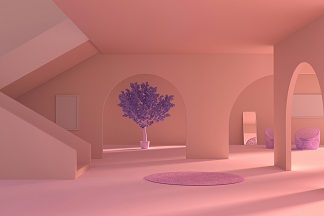
To effectively transform your home design, the first step is to thoroughly understand its space and layout. Each room possesses unique characteristics, influenced by architectural features, size, and the amount of natural light available. Begin by evaluating the existing design elements of your home. Take note of the placement of windows, doors, and any structural elements like beams or columns that may impact your design choices.
Assessment of your home’s layout involves critical analysis. Start by taking accurate measurements of each room, including ceiling height and floor space. This data provides a clear picture of what can be realistically achieved during your redesign process. Consider utilizing graph paper or digital design tools to visualize potential changes. This will help you conceptualize the space more effectively and experiment with various arrangements without committing to any physical modifications.
Natural light plays a crucial role in interior design. Observe how sunlight enters your rooms at different times of the day. This reflection will influence your choice of colors, materials, and placement of furniture. A brightly lit room may benefit from lighter shades and airy materials, while darker spaces might be enhanced with mirrors or brighter colors to create a sense of openness.
Additionally, assess the functionality of each room. Consider the activities that typically take place within your spaces and whether the current design supports those functions. Identifying areas where traffic flow is hindered or where certain features are under-utilized can point directly to opportunities for improvement. By critically assessing these elements, you can develop a cohesive design strategy tailored to the unique potential of your home.
Color Choices: How to Select the Right Palette
The selection of color in interior design is a powerful tool that can greatly influence the overall atmosphere of a space. Colors evoke emotions and can significantly alter perceptions of size, warmth, and ambiance. To effectively harness the psychological impact of color, it is imperative to understand the principles of color theory. This concept encompasses the color wheel, which categorizes colors into three primary groups: primary, secondary, and tertiary colors. By familiarizing oneself with these categories, one can begin to identify which colors harmonously blend together.
Choosing a color palette that reflects personal style while enhancing a room can seem daunting, but considering a few key aspects can simplify the process. First, assess the function of the room; vibrant colors like yellows and oranges can energize spaces such as kitchens, while blues and greens may create a calming atmosphere in bedrooms. Secondly, experiment with complementary colors—colors that sit opposite each other on the color wheel—such as blue and orange or red and green. These combinations can add visual interest and depth to your design.
Applying colors effectively is equally important. When painting, consider the lighting; natural light can alter color perception throughout the day. It’s advisable to test samples on walls and observe changes in different light conditions. Additionally, incorporating color through decor elements—such as pillows, artwork, or rugs—can provide flexibility without overwhelming your space. Popular color schemes include monochromatic choices, featuring various shades of a single color, or analogous schemes that blend three adjacent colors. Ultimately, selecting the right palette not only personalizes a home but also cultivates an inviting and cohesive environment.
Furniture Arrangement: Maximizing Comfort and Functionality
Effective furniture arrangement is crucial in enhancing both comfort and functionality within your home. To achieve an appealing layout that caters to your lifestyle needs, it is essential to consider the flow of the space. A well-planned arrangement allows for easy movement, facilitating an inviting atmosphere that can accommodate various activities, from entertaining guests to enjoying quiet evenings.
One of the primary aspects to keep in mind is the establishment of a focal point in the room. This can be a fireplace, a piece of artwork, or a striking piece of furniture. Arranging seating around this focal point cultivates a natural conversation area, contributing to a cohesive design. Prioritizing such conversation areas can facilitate social interactions, making your living space more inviting.
Additionally, scaling your furniture to fit the dimensions of the room is vital for maximizing comfort. Oversized furniture in a small space can create a cramped atmosphere, while small pieces in a large room can become lost. By choosing appropriately sized furniture that complements the space, you enhance both aesthetics and usability.
Pathways also play a significant role in furniture arrangement, ensuring that there is sufficient room for movement throughout the space. Maintaining clear pathways contributes to an effective layout, preventing clutter and creating a seamless transition between different areas. It is recommended to leave at least 30 to 36 inches of walking space between pieces of furniture to allow for comfortable navigation.
Experimenting with various layouts can lead to finding the ideal configuration tailored to your needs. Whether it’s a traditional layout for a living room, an open arrangement for a dining space, or a cozy setup for a bedroom, strategic furniture placement can profoundly impact the overall design and functionality of your home.
Accessorizing Your Home: The Finishing Touches
Accessorizing your home is an essential aspect of interior design that can greatly enhance the overall aesthetic and functionality of a space. The right accessories, such as rugs, pillows, artwork, and plants, serve as the finishing touches that add personality, warmth, and a sense of style. Carefully selected accessories can transform an ordinary room into a vibrant and inviting environment.
Layering accessories is a key technique in creating a visually appealing interior. For instance, consider using various textures by combining materials such as wicker, wood, metal, and fabric. This layering not only adds depth but also creates an interesting visual dynamic. Incorporating statement pieces, such as a bold piece of artwork or a uniquely designed lamp, can act as a focal point in the room. These elements can be strategically placed to draw attention and guide the eye around the space.
Texture and patterns also play a crucial role in the effective use of accessories. Utilizing various patterns in pillows or throws can create an inviting atmosphere while maintaining a cohesive look. However, it is essential to ensure that the colors and designs harmonize with the overall theme of the room. Neutral tones can be balanced with colorful accessories, allowing for versatility while keeping the space unified.
Additionally, decluttering is vital in highlighting decorative items. Too many accessories can overwhelm the eye and detract from the intended design. Thoughtfully curating your decorative pieces ensures that every item serves a purpose and contributes positively to the space. By balancing decoration with empty spaces, the overall design feels more intentional and organized.
In conclusion, accessorizing your home with intentional choices can significantly impact your interior design. By layering accessories, choosing statement pieces, being mindful of texture and patterns, and decluttering, you can create a cohesive and inviting atmosphere that truly reflects your personal style.