


As the use of public WiFi risks networks becomes increasingly prevalent, understanding the associated risks is crucial for maintaining online security. Public WiFi networks, such as those found in coffee shops, airports, and libraries, can leave users vulnerable to various cyber threats. One of the primary dangers is the risk of data breaches. When using an unsecured public network, sensitive information, such as passwords and financial details, can be intercepted by cybercriminals.
Additionally, public WiFi can be a gateway for malware attacks. Hackers often exploit unsecured networks to distribute malicious software that can infect users’ devices. This malware can lead to unauthorized access to personal information, identity theft, or hefty ransom demands. For instance, there have been numerous reports of unsuspecting users downloading harmful software through compromised public networks, resulting in significant data losses.
Eavesdropping presents yet another significant risk. Unencrypted communications make it easier for hackers to intercept data transmitted over public WiFi. Tools known as packet sniffers allow attackers to monitor network traffic, capturing sensitive information shared during online sessions. A striking example involved a group of hackers demonstrating how easily they could extract data from users at a bustling café simply by monitoring the network traffic.
Moreover, the potential for man-in-the-middle (MitM) attacks is a pressing concern. In this scenario, a malicious actor could place themselves between the user and the internet connection, enabling them to intercept and alter communications. This form of attack is particularly alarming because it can occur without evident signs of compromise.
In conclusion, while public WiFi offers convenience, it is essential to recognize the inherent risks involved. Users must adopt proactive measures to protect their information and privacy while connected to these networks.
Best Practices for Safe Public WiFi Usage
In today’s connected world, accessing the internet through public WiFi networks is convenient, yet it poses significant security risks. To enhance your safety while utilizing public WiFi, it is essential to adopt certain best practices that mitigate these threats effectively.
Firstly, always connect to secure networks. public WiFi risks can be either open or secured with passwords. It is wise to avoid open networks whenever possible, as they provide minimal protection against malicious activities. Ensure that the network is legitimate by confirming its name with the establishment providing the service.
Secondly, disabling file sharing on your device is a crucial step. Many devices have settings that enable automatic file sharing when on a network. This function can inadvertently expose sensitive files and information to unauthorized individuals. By turning off file sharing, you can safeguard personal data.
Additionally, ensure that your device’s software and security settings are up to date. Outdated software can include vulnerabilities that hackers exploit to gain access to your information. Regularly update your operating system and applications to defend against potential threats.
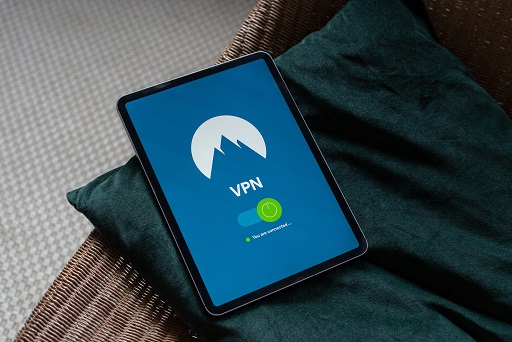
Furthermore, consider using a Virtual Private Network (VPN) when connecting to public networks. A VPN encrypts your internet connection, making it significantly more difficult for malicious actors to intercept your data. Utilizing a reputable VPN service provides an added layer of security and privacy, enhancing your overall online safety.
By practicing these essential methods while using public WiFi, individuals can significantly improve their security posture and reduce the risks associated with connecting to potentially unsafe networks.
Tips to Secure Your Device on Public Networks
Connecting to public WiFi networks can put your personal and sensitive information at risk. To enhance security while using public networks, it is essential to implement various measures that can safeguard your device from potential threats. One of the first steps to consider is enabling your firewall settings. A firewall acts as a barrier between your device and any unauthorized access attempts, allowing you to control the traffic entering or leaving your device. Make sure that the firewall is properly configured before connecting to public WiFi.
In addition to using a firewall, installing and maintaining reputable antivirus software is crucial for your device’s security. Antivirus software can detect and neutralize harmful malware that may be present on public networks. Regularly updating the antivirus software is essential, as it ensures that your device is protected against the latest threats and vulnerabilities. Encourage automatic updates to minimize the chances of using outdated software.
Another vital aspect of securing your device involves adjusting the network settings on your device. It is advisable to disable automatic connection to open networks, as this feature may inadvertently expose your device to unprotected connections. Furthermore, consider changing your device’s sharing settings to limit file sharing and other connectivity options when connected to public networks. This reduces the risk of unauthorized access to your personal data.
Utilizing a Virtual Private Network (VPN) can further enhance your security when using public WiFi. A VPN encrypts your internet connection, making it much more challenging for attackers to intercept and view your data. By combining these strategies—enabling firewalls, using antivirus software, adjusting network settings, and utilizing a VPN—you can significantly improve the security of your device while accessing public WiFi networks.
Recognizing Trusted vs. Untrusted Networks
In today’s digital landscape, discerning between trusted and untrusted public WiFi networks is crucial for maintaining online security. With the proliferation of public hotspots in cafes, airports, and libraries, understanding how to identify secure connections can mitigate risks associated with unauthorized access and data breaches.
When scanning for available networks, the first step is to verify the network name with the venue. Many establishments provide free WiFi; however, cybercriminals often create misleading network names that appear legitimate. For example, names such as “Free Airport WiFi” or similar variations may lack authenticity. Always inquire with the staff or check official signage to confirm the correct network.
Additionally, it is imperative to recognize red flags when connecting to public networks. Pay attention to the security measures in place. A network that does not require a password or offers open access is often a red flag indicating a potential risk. A reputable network should ideally be secured with a password, and access should be controlled by the provider. Furthermore, ensure that you see HTTPS in the URL when you visit websites, which is a sign of secure communication.
A significant precaution involves avoiding sensitive activities over public networks. Engaging in banking or entering personal information while connected to an untrusted network can expose you to various threats, including data theft. It is wise to wait until you are on a secure, private network before conducting any transactions that involve sensitive information. By taking these simple yet effective steps, users can enhance their security protocols and navigate the complexities of public WiFi with greater confidence.