


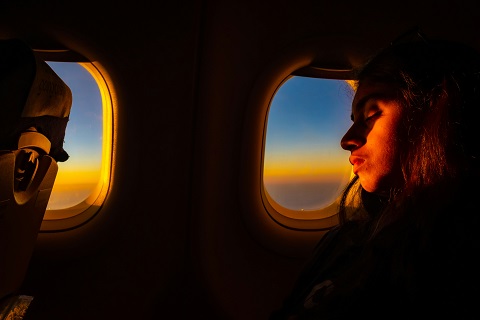
Jet lag is a physiological condition that occurs when a traveler crosses multiple time zones, leading to a disruption in the body’s internal clock, known as the circadian rhythm. This internal clock regulates various bodily functions, including sleep-wake cycles, hormone release, and even digestion. As a result of this disruption, the body struggles to adapt to the new local time, resulting in a variety of symptoms that can significantly affect a traveler’s experience.
Common symptoms of jet lag include fatigue, confusion, irritability, and digestive issues. For instance, many travelers find themselves battling tiredness during the day while struggling to fall asleep at night. This misalignment can lead to difficulties in concentration and sometimes even mood swings. Additionally, digestive disturbances, such as constipation or diarrhea, may arise as the body adjusts to new meal times and food rhythms. Understanding these effects is crucial for any frequent flyer.
Several factors influence the severity of jet lag. The direction of travel plays a significant role; eastward flights (for example, traveling from New York to London) tend to be more challenging than westward flights (like Los Angeles to New York). This difference arises because traveling east typically means traveling against the natural progression of circadian rhythms. Moreover, the number of time zones crossed can exacerbate symptoms—the more zones traversed, the harder it may be for the body to recalibrate. Individual health and personal sleep patterns are also notable determinants, as those with existing sleep disorders or who experience irregular sleep habits may face heightened jet lag symptoms.
Pre-Flight Preparations: Setting the Stage
Preparing for a long flight is essential in mitigating the effects of jet lag. One effective strategy is to gradually adjust your sleep schedule to match that of your destination’s time zone. This transition should ideally begin a few days before your departure. Shifting your bedtime and wake-up time by one hour each day can help your body acclimate better to the new time zone upon arrival.
Staying hydrated is another crucial element of your pre-flight preparations. Dehydration can exacerbate feelings of fatigue and disorientation associated with jet lag. It is advisable to drink plenty of water in the days leading up to your flight, as well as during the journey itself. Avoiding excessive caffeine and alcohol before and during the flight can also assist in maintaining hydration levels.
Maintaining a balanced diet prior to your flight is vital. Incorporate a variety of nutritious foods into your meals such as fruits, vegetables, whole grains, and lean proteins. This approach not only supports overall health but also plays a role in regulating your body’s energy levels. Additionally, paying attention to your meal times can further assist in synchronizing your body clock with your travel destination.
When considering flight options, choosing the right flight times can significantly influence your adaptability to the new time zone. Booking an overnight flight may work well for some, as it allows you to sleep during the journey and arrive feeling more refreshed. Others might prefer daytime flights to allow for easier adjustment by staying awake during the flight. Each traveler should assess their personal preferences and make informed decisions when selecting flights that best suit their needs.
During the Flight: Strategies to Minimize Jet Lag
Long flights can significantly disrupt your internal clock, leading to jet lag upon arrival. To mitigate these effects, incorporating specific strategies during the flight can help maintain comfort and promote better adaptation to the new time zone. One crucial method to combat jet lag is to stay hydrated throughout the journey. Airplane cabins have lower humidity levels, which can lead to dehydration. Drinking water regularly will not only keep you refreshed but also support your overall well-being.
Frequent movement is equally essential to reduce the risk of discomfort associated with long periods of sitting. Taking short walks up and down the aisle or performing in-seat exercises can improve circulation and alleviate stiffness. Setting a timer to remind yourself to stretch or walk every couple of hours is a useful practice.
Creating a conducive sleep environment is also vital in countering jet lag. Utilizing sleep masks and earplugs can help block out light and noise, making it easier to rest during the flight. If sleep proves elusive, consider the possibility of taking melatonin supplements, which can help regulate your sleep-wake cycles. Melatonin is a hormone that your body naturally produces, and its supplementation may facilitate falling asleep, particularly if you’re traveling across multiple time zones.
Additionally, consider how to occupy your time on board. Engaging with in-flight entertainment, reading, or bringing along a digital device loaded with movies or series can provide enjoyable distractions. These activities can help you adjust mentally to the flight’s duration, making the journey feel shorter.
Lastly, maintaining a healthy routine that mimics your intended destination’s schedule as closely as possible can foster better adaptation to the new time zone once you land.
Post-Flight Recovery: Easing Into Your New Time Zone
Upon arriving at your destination, it is crucial to take specific steps to help your body adjust to the new time zone effectively. One of the key factors in managing jet lag is light exposure. Exposure to natural light can significantly influence your body’s internal clock, also known as the circadian rhythm. Upon arrival, try to spend time outdoors during daylight. This exposure will signal to your body that it is time to be awake and alert, aiding in the adjustment process.
When to sleep is another pivotal aspect of managing post-flight fatigue. Although fatigue might tempt you to nap immediately after arriving, it is generally advisable to stay awake until the local bedtime to realign your sleeping schedule. If you must sleep, limit naps to no more than 20 to 30 minutes early in the day to prevent disrupting your ability to sleep later.
Engaging in light exercise upon arrival can also stimulate your energy levels and combat sluggishness. Activities such as walking, stretching, or yoga can increase blood flow and enhance mood, which aids in overcoming fatigue. Staying hydrated is equally important as dehydration can exacerbate feelings of tiredness. Make sure to drink plenty of water during and after your flight to help your body recover.
In addition, consider using sleep aids such as melatonin based on your travel needs. This supplement is particularly effective when taken at your destination’s local bedtime. Incorporating these strategies into your post-flight recovery routine can significantly minimize the effects of jet lag and help your body seamlessly transition into the new time zone.