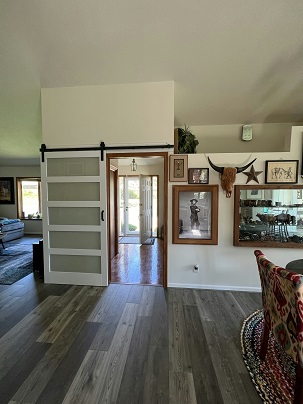
Home interior styles refer to the distinctive aesthetics and design principles that characterize the arrangement, color schemes, furniture selection, and overall ambiance of residential spaces. These styles serve as a vital means of expression, allowing homeowners to reflect their personality, preferences, and lifestyle within their living environments. The significance of home interior styles extends beyond mere decoration; they play a crucial role in creating a sense of comfort and belonging, as well as enhancing the functionality of various living areas. In recent years, there has been a notable surge in interest surrounding diverse home interior styles. This shift can be attributed to a growing awareness of design principles and a desire for individuality in home aesthetics. As cultures become more interconnected and accessible through digital platforms, homeowners are increasingly exposed to various design influences. Consequently, many seek to blend different styles, creating unique and eclectic home environments that resonate with their personal tastes.
The transformation of living spaces through distinct styles not only impacts the visual appeal of a home but also influences the mood and experience of those inhabiting it. For instance, a minimalist approach may cultivate a sense of tranquility, while a bohemian-inspired space can evoke creativity and vibrancy. Ultimately, the choice of home interior style is a subjective process, driven by both functional needs and emotional responses. Exploring various trends and understanding their characteristics can prove invaluable for those looking to refresh or redefine their living spaces in a manner that aligns with their vision.
Minimalist Aesthetic: Less is More
The minimalist aesthetic is a design philosophy that has gained considerable popularity in recent years, revered for its emphasis on simplicity and functionality. At its core, minimalism revolves around the concept of reducing clutter and distractions, allowing for a more serene living environment. By focusing on essential elements, each piece of furniture or decor not only serves a purpose but also contributes to the overall visual harmony of the space.
One of the defining characteristics of the minimalist approach is the use of clean lines. This elegant design choice fosters an uncluttered appearance, promoting a sense of calm and order within the home. Furthermore, the palette commonly consists of neutral colors, such as whites, grays, and beiges, which enhances the feeling of spaciousness and tranquility. Such colors create an inviting atmosphere, allowing residents to decompress from the hectic pace of daily life.
Natural materials play a pivotal role in minimalist interiors, lending warmth and texture to an otherwise austere design. The use of wood, stone, or organic fabrics not only adds a tactile richness to the space but also reinforces the minimalist philosophy of incorporating elements that resonate with nature. This thoughtful integration results in a harmonious balance between the indoors and outdoors, fostering an environment conducive to relaxation and mindfulness.
Adopting a minimalist approach can be particularly beneficial for both small and large spaces. In smaller homes, minimalism effectively maximizes available space, making it feel more open and airy. Conversely, in larger residences, this aesthetic can create a sophisticated, gallery-like ambiance that showcases the structure of the home itself. Overall, minimalism offers a transformative approach to interior design, cultivating a space that is not only beautiful but also a true reflection of one’s personal values and lifestyle.
Bohemian Chic: Embracing Eclecticism
The Bohemian chic style, often simply referred to as Boho, is renowned for its vibrant and eclectic aesthetic that reflects individuality and comfort. This home interior style celebrates a rich tapestry of colors, patterns, and textures, creating spaces that are not only visually stimulating but also imbued with personal meaning. One of the defining characteristics of Bohemian chic is the use of vintage or globally inspired décor. This can include anything from Indian textiles to Moroccan rugs, each piece telling its own unique story.
Layering is another essential aspect of Bohemian chic interiors. Combining various textiles, such as throws, cushions, and rugs, in diverse patterns and colors brings warmth and depth to a space. This layering not only showcases creativity and personal expression but also enhances the comfort of the environment. For instance, a living room featuring a mix of patterned cushions and a richly colored throw on a neutral couch can create a cozy nook that invites relaxation.
Furthermore, the incorporation of plants is a significant element in achieving a Bohemian look. Indoor plants add life and vibrancy to a space while also improving air quality. Varieties such as succulents, ferns, and hanging plants can be strategically placed in pots, macramé hangers, or terrariums to create a lush, organic feel. The greenery beautifully complements the colorful textiles and eclectic décor, harmonizing the natural and artistic aspects of the design.
To effectively embrace this style in your own home, consider visiting local flea markets or vintage shops to find unique pieces that resonate with your personal aesthetic. Don’t shy away from mixing and matching items—this style thrives on the unconventional. Ultimately, the goal of Bohemian chic is to create a space that feels uniquely yours, teeming with life and creativity.
Industrial Style: Urban Elegance
The industrial style represents a dynamic fusion of raw materials and urban charm, drawing inspiration from repurposed warehouses and factories. Characterized by elements such as exposed brick walls, metal fixtures, and unrefined timber surfaces, it creates a unique aesthetic that resonates with those who appreciate the beauty of imperfection. This trend allows for open spaces, enabling the flow of natural light and creating an uncluttered environment that feels both expansive and inviting.
One of the key features of industrial design is the emphasis on textures. Mixing and matching various materials is essential for achieving the desired effect. For instance, pairing sleek metal accents with rustic wood items creates a harmonious balance that can soften the overall look. Incorporating furniture made from reclaimed wood or vintage pieces complements the ruggedness of the industrial aesthetic, lending character and warmth to a home.
When designing an industrial-style space, it’s vital to consider color schemes. Neutral tones such as grays, browns, and whites serve as a splendid backdrop, while pops of color can be introduced through accessories and artwork. This approach not only maintains the style’s authenticity but also enhances its livability by ensuring a welcoming ambiance. Additionally, using statement lighting fixtures, such as Edison bulb pendant lights, can significantly elevate the design, providing both functionality and visual interest.
In pursuit of industrial elegance, one should not overlook the importance of comfort. Balancing the starkness of industrial elements with softer furnishings, such as plush sofas and inviting textiles, can make the space more approachable. By thoughtfully integrating both old and new furnishings, homeowners can craft a unique expression of their personal style while embracing the industrial trend effectively.