

Introduction to Multi-Functional Furniture
Multi-functional furniture refers to versatile pieces that serve multiple purposes within a single unit, optimizing space and functionality in modern living environments. This innovative approach to furniture design has gained popularity among consumers, particularly as urban living spaces continue to shrink in size. With an increasing number of people residing in apartments or smaller homes, the demand for efficient, space-saving solutions is at an all-time high. The rising trend can be attributed to various factors, including a shift in lifestyle preferences and the growing need for clutter-free living. Individuals and families are seeking furniture that is not only aesthetically pleasing but also practical and adaptable to their dynamic needs. For instance, a sofa bed provides seating during the day and converts into a sleeping space at night, effectively maximizing utility without sacrificing style.
Moreover, the emergence of remote working arrangements has further fueled the appeal of multi-functional furniture. As more people create home offices, they require furniture that can seamlessly transition between work and leisure. Desks that fold away, storage ottomans, and expandable dining tables are just a few examples of how furniture can adapt to various activities, enhancing both comfort and functionality in the home.
Furthermore, sustainable living is a growing concern among consumers, leading to increased interest in multi-functional furniture. By investing in versatile products, buyers can reduce their overall consumption of resources, fostering an eco-friendly approach to home design. This aligns with the broader trend towards sustainability, where every piece of furniture is chosen with both utility and environmental impact in mind.
In summary, multi-functional furniture embodies a solution-oriented approach that caters to contemporary lifestyles, prioritizing space efficiency, adaptability, and sustainability. As it continues to evolve, it represents a significant aspect of modern interior design, fulfilling the diverse needs of consumers today.
Space-Saving Benefits
In urban settings where living space is often limited, multi-functional furniture offers a practical solution for maintaining a comfortable and organized environment. The versatility of these furnishings allows individuals and families to maximize their square footage without compromising on style or utility. For instance, a sofa bed serves as both a comfortable seating area during the day and a cozy sleeping space at night. This dual purpose is particularly advantageous in small apartments where every inch counts, freeing up precious room for other activities.
Another excellent example of space-saving furniture is the foldable dining table. These tables can be easily expanded when entertaining guests and then conveniently collapsed to create more space for daily activities. Additionally, they often feature built-in storage solutions that can accommodate seating for additional guests, thus enhancing functionality while minimizing clutter.
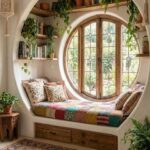
Storage ottomans also contribute to the efficient use of space; they provide seating, a footrest, and hidden storage all in one. Items such as blankets or magazines can be tucked away effortlessly, allowing homeowners to keep their living areas tidy. Moreover, shelving units that incorporate a desk area or a nightstand with built-in drawers can further optimize small living spaces by reducing the need for standalone furniture, thus creating a more streamlined and open atmosphere.
Ultimately, the arrangement of multi-functional furniture fosters a sense of spaciousness, making even the tiniest of apartments feel more expansive. By strategically selecting and incorporating these elements into interior design, individuals can achieve a well-organized and inviting home with ease, adapting their furniture to suit various needs throughout the day.
Cost Efficiency
Investing in multi-functional furniture can significantly enhance financial management in both home and office settings. One of the primary benefits of such furniture is its ability to serve multiple purposes, which effectively reduces the need for multiple separate pieces. For instance, a sofa bed can eliminate the necessity for a distinct guest bed, while a dining table that converts into a workspace minimizes the requirement for additional furniture, saving both space and money in the process.
Additionally, purchasing multi-functional furniture can lead to substantial savings on purchases over time. As consumers opt for fewer pieces that provide versatility, they find themselves spending less on individual items. This strategic approach not only streamlines interior design but also alleviates the financial burden associated with furnishing a space. The initial investment in a high-quality multi-functional piece often proves more economical when compared to the cumulative costs of acquiring various standalone items.
Moreover, multi-functional furniture often comes with the added advantage of durability and longevity. Many of these pieces are designed to withstand daily use and serve multiple purposes, resulting in fewer replacements over the years. Consequently, consumers are less likely to incur additional expenses related to wear and tear that comes with utilizing multiple items.
Ultimately, the financial advantages associated with multi-functional furniture resonate particularly well with budget-conscious consumers. Embracing this furniture type not only contributes to a well-organized and aesthetically pleasing environment but also promotes significant cost savings, making it an astute financial decision in today’s economy.
Versatility in Design
Multi-functional furniture plays a pivotal role in contemporary interior design, offering unparalleled flexibility that adapts to various home aesthetics. One of the most striking aspects of these pieces is their diversity in styles. From sleek, minimalist designs that complement modern apartments to more ornate, classic pieces suitable for traditional homes, multi-functional furniture caters to a broad spectrum of tastes. This adaptability means that homeowners can find suitable options that resonate with their personal style and overall decor theme.
Additionally, the materials used in creating multi-functional furniture have evolved significantly, allowing for even greater versatility. Whether opting for the warmth of solid wood, the sleekness of metal, or the softness of upholstered fabrics, there are countless combinations that accommodate different design philosophies. Each material brings its own unique character, enabling furniture pieces to serve dual purposes without sacrificing aesthetic appeal. For instance, a wooden coffee table may cleverly transform into a dining surface, merging function and style effortlessly.
Color choices further enhance the design versatility of multi-functional furniture. Neutral shades provide a timeless backdrop that harmonizes with varied decor, while bold colors and patterns can serve as statement pieces that enliven a space. This ability to mix and match colors ensures that multi-functional items can either blend seamlessly into existing palettes or act as focal points that draw the eye. Ultimately, the combination of various styles, materials, and colors allows for the creation of cohesive interiors where every piece has a purpose, proving that multi-functional furniture is not merely practical but also an integral component of effective home design.
Enhanced Functionality
Multi-functional furniture has revolutionized the way we organize and utilize space in our homes. It significantly enhances functionality by offering innovative features that cater to diverse needs, making it an essential choice for modern living. One of the key advantages of this type of furniture is the incorporation of hidden storage solutions. For instance, sofas with built-in compartments or coffee tables with drawers provide a seamless way to declutter without sacrificing aesthetics. This hidden storage is especially beneficial in smaller living spaces, where efficient use of every square meter is imperative.
Another prominent feature of multi-functional furniture is adjustable heights. Items such as dining tables and desks that allow for height modification provide flexibility for different users and activities. For instance, a dining table can be transformed into a desk for remote working, or a coffee table can be raised for dining or entertaining guests. This adaptability ensures that furniture must meet the varied demands of daily life, enhancing the overall functionality of living spaces.
Furthermore, modular designs play a crucial role in maximizing versatility. Furniture pieces that can be rearranged or extended—like sectional sofas or shelving units that can be combined—allow one to customize the layout according to specific circumstances, such as hosting gatherings or modifying the arrangement for different activities. The ability to adapt these pieces based on immediate needs not only optimizes space but also enhances the user experience.
In summary, the enhanced functionality of multi-functional furniture offers practical solutions to everyday challenges. With features like hidden storage, adjustable heights, and modularity, these innovative designs transform how we interact with our living environments, making them not just furniture, but vital components of dynamic, modern lifestyles.
Sustainability Factor
In the contemporary landscape of environmental awareness, the sustainability factor of multi-functional furniture has gained significant traction. Opting for multi-functional furniture is an effective approach to reducing material consumption and minimizing waste generation. As urban living spaces become more compact, the traditional need for multiple standalone furniture pieces is increasingly replaced by innovative designs that serve various purposes. This shift not only addresses space constraints but also aligns with sustainable practices.
The primary advantage of multi-functional furniture lies in its ability to consolidate various functions into a single piece. For instance, a sofa bed effectively combines a couch and sleeping space, eliminating the need for an extra bedroom set. This reduction in the number of items needed directly translates into lower demand for raw materials and resources involved in production. Consequently, fewer trees are felled, less metal is mined, and energy consumption during manufacturing is mitigated.
Moreover, multi-functional furniture often boasts longer lifecycles due to its versatile designs, which means consumers may not need to replace their furniture as frequently. This longevity further decreases waste as fewer items are discarded, contributing to a reduction in landfill overflow. By investing in higher-quality, versatile pieces, consumers can foster environmentally-friendly consumption habits, encouraging a circular economy where products are used to their fullest potential.
Furthermore, eco-friendly materials are more prevalent in the creation of multi-functional furniture, as the industry moves towards sourcing sustainably. Many pieces incorporate recycled or sustainably harvested materials, reinforcing a commitment to environmental responsibility. Thus, by choosing multi-functional furniture, consumers play an active role in promoting sustainable lifestyles while enjoying the benefits of minimalism and efficiency within their living environments.
Ideal for Small Spaces
Living in small spaces often presents unique challenges, particularly regarding furniture arrangements and storage solutions. Multi-functional furniture has emerged as an effective strategy to maximize these limited areas without compromising on style and comfort. Utilizing versatile pieces can facilitate optimal use of space, ensuring that no area feels cramped or uninviting.
For instance, a sofa bed serves the dual purpose of a comfortable seating area during the day and a cozy sleeping arrangement at night. This allows small apartments or studios to accommodate guests without necessitating a dedicated guest room. Similarly, ottomans that open for storage can act as both footrests and convenient places to stow away blankets, shoes, or magazines, making every square foot valuable.
Moreover, consider investing in a dining table that can expand when hosting guests. Tables with foldable sides or drop-leaf designs are practical solutions that ensure adequate dining space when necessary while remaining compact at other times. Vertical storage solutions, such as shelves that double as a workspace or wall-mounted desks, can elevate functionality by providing essential areas for work or hobbies without taking up substantial floor space.
For those seeking to maintain a stylish yet practical ambiance, opting for multi-functional pieces that correspond with the overall decor is essential. Look for clean lines and cohesive colors that blend seamlessly into existing aesthetics. The right combination of form and function paves the way for a sophisticated yet practical arrangement.
In summary, multi-functional furniture dramatically enhances the livability of small spaces, providing innovative solutions that cater to varied needs while reflecting individual style. By carefully selecting versatile pieces, residents can create environments that feel spacious, orderly, and welcoming.
Creative Solutions for Everyday Problems
In modern households, space optimization is essential, and multi-functional furniture provides innovative solutions to common challenges faced by homeowners. One prevalent issue in smaller living spaces is clutter. Multi-functional furniture, such as ottomans with storage capabilities or coffee tables with built-in shelving, can significantly minimize mess by providing designated spaces for everyday items. For example, an ottoman can serve as both a comfortable footrest and a hidden compartment for blankets and magazines, effectively reducing visual clutter in the living room.
Furthermore, accommodating guests can pose a challenge, particularly in homes with limited spare rooms. Multi-functional furniture offers practical solutions to this dilemma. Sofa beds, for instance, can transform a living area into a sleeping area quickly and effortlessly, allowing hosts to welcome guests without compromising comfort. Similarly, futons or convertible chairs can provide additional sleeping arrangements without the need for separate bedrooms. These versatile pieces ensure that your home remains inviting and functional, even in the face of unexpected visitors.
Another issue commonly faced is the need for separate work and recreational areas in homes, particularly as remote work becomes more prevalent. A dining table that doubles as a workspace can effectively segregate professional and personal activities, promoting productivity without the need for additional furniture. Moreover, wall-mounted desks that fold away when not in use can free up floor space, allowing residents to maintain a bright and open environment.
Ultimately, multi-functional furniture not only addresses everyday problems but also enhances the overall aesthetic and practicality of living spaces. By integrating these pieces into home design, individuals can tackle challenges such as clutter, guest accommodations, and the need for dynamic living arrangements more effectively. This adaptability makes multi-functional furniture an ideal choice for contemporary households striving for efficiency and style.
Conclusion: Embracing Multi-Functional Furniture
As we have explored throughout this blog post, multi-functional furniture offers numerous advantages that cater to the needs of modern living. The primary benefit lies in its ability to optimize space, particularly in urban environments where every square foot counts. By serving more than one purpose, these versatile pieces allow homeowners to maximize utility without compromising aesthetic appeal.
Another significant advantage is the enhanced organization that multi-functional furniture promotes. For instance, storage ottomans and beds with drawers help maintain a clutter-free environment, which can lead to improved mental well-being and productivity. Furthermore, the practicality of transformable furniture items can create a more adaptable living space that evolves alongside the changing needs of its inhabitants. This adaptability is especially beneficial for families, as it accommodates activities ranging from playtime to hosting gatherings.
The trend towards multi-functional furniture is only expected to grow, driven by an increasing demand for practicality in design and a focus on sustainability. Furniture manufacturers are now prioritizing the production of items that not only provide function but are also environmentally friendly. As consumer preferences shift towards quality and longevity, the future of furniture design will undoubtedly embrace concepts of versatility and functionality, ensuring that pieces remain relevant over time.
In light of these compelling benefits, readers are encouraged to consider incorporating multi-functional furniture into their homes. By doing so, they can create spaces that reflect both style and practicality, ultimately enhancing their quality of life. Embracing the essence of multi-functional furniture can pave the way for a more efficient, organized, and harmonious living environment.