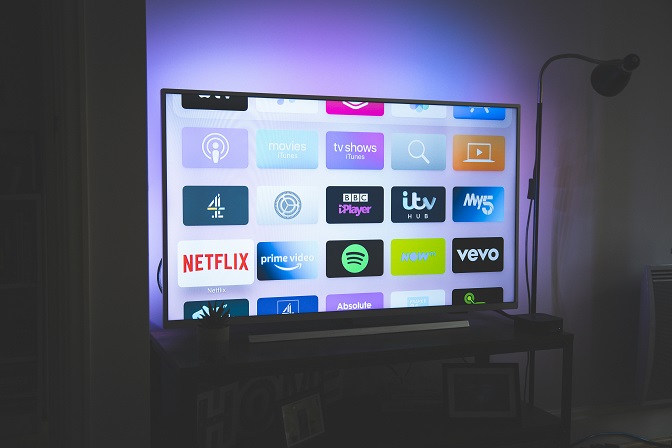
In the modern entertainment landscape, Streaming Services have emerged as a dominant force, fundamentally changing how audiences consume content. A streaming platform allows users to access a vast array of video and audio content over the Internet, eliminating the need for traditional physical media and broadcasting methods such as cable television. Instead of being tied to fixed programming schedules, viewers can select what to watch at their convenience, greatly enhancing the flexibility of media consumption. The mechanics of streaming services involve delivering content directly to devices via high-speed internet connections. Content is stored on cloud servers, and users can access it through various devices, including smart TVs, computers, tablets, or smartphones. The rise in Internet bandwidth and the proliferation of smart devices have significantly contributed to the popularity of these services.
Among the leading players in this sector are platforms such as Netflix, Hulu, Amazon Prime Video, and Disney+. Each of these services offers distinct features, subscription models, and content libraries that cater to diverse audience preferences. For instance, Netflix is renowned for its original programming, while Hulu provides next-day access to current TV shows and extensive movie catalogs. Amazon Prime Video enhances its offerings through integration with its retail services, whereas Disney+ capitalizes on its extensive library of family-friendly content and popular franchises.
The transition from traditional cable TV to streaming platforms marks a considerable shift in consumer behavior and industry standards. Many households have opted to
Criteria for Comparison
When evaluating streaming platforms, several key criteria play a vital role in determining which service best meets user needs. Each streaming service offers distinct features and content, thus a thorough comparison is essential to navigate these options efficiently.
One of the primary factors is the size of the content library. Streaming platforms vary widely in the quantity and quality of available titles, including movies, television shows, documentaries, and more. A larger library can indicate a broader range of genres, which appeals to diverse audiences and encourages longer subscriptions.
Pricing models also significantly influence user choice. Many platforms offer subscription-based plans, while others have pay-per-view options or even ad-supported free tiers. Understanding these pricing structures helps potential subscribers find a service that aligns with their budget and viewing preferences.
User interface and experience are crucial as well. A platform with an intuitive, easily navigable design enhances user satisfaction, making it easier to find and enjoy content. Variations in user experience can affect how often subscribers utilize the service, impacting overall value.
The availability of original content is a growing consideration. Many platforms invest in original programming to differentiate themselves, producing acclaimed series and films that can attract new subscribers while retaining existing ones.
Device compatibility cannot be overlooked; the ability to stream on multiple devices—such as smartphones, tablets, smart TVs, and gaming consoles—ensures flexibility for users. Additional features like offline viewing capabilities and family sharing options further enhance a platform’s appeal, enabling shared viewing experiences and accommodating various user needs.
By considering these criteria, users can more effectively assess the strengths and weaknesses of different streaming platforms, leading to a more informed decision about where to invest their time and money.
Comparison of Popular Streaming Platforms
In recent years, streaming platforms have significantly transformed the way audiences consume media. As numerous options emerge, it becomes essential to evaluate these platforms based on various criteria, including pricing, content variety, user experience, and unique selling points. By comparing popular streaming platforms such as Netflix, Hulu, Amazon Prime Video, and Disney+, we can assess which service might be the most suitable for different viewers.
Starting with Netflix, the platform offers a subscription model that ranges from basic to premium tiers, providing flexibility depending on the viewer’s needs. Netflix is renowned for its diverse library of original programming, including critically acclaimed films and series that appeal to a wide range of audiences. However, its pricing can be on the higher side compared to competitors.
Moving on to Hulu, this service has distinguished itself by incorporating live TV options, making it a strong candidate for viewers who prioritize current television content. Hulu’s subscription plans vary, including ads-supported and ad-free versions. Furthermore, it provides an extensive catalog of shows from various networks, appealing to a broader demographic.
Amazon Prime Video presents a unique value proposition by combining streaming services with Amazon’s umbrella of benefits, especially for existing Prime members. Its content library boasts a mix of movies, shows, and exclusive originals, with competitive pricing. Additionally, viewers can rent or purchase titles that are not included with the subscription.
Disney+ targets families and fans of franchise content, offering an impressive collection of films from the Disney, Pixar, Marvel, Star Wars, and National Geographic brands. Its subscription fee is generally lower than that of Netflix, making it an attractive choice for families seeking child-friendly viewing options.
In terms of user experience, most Streaming Services provide high-quality streaming and user-friendly interfaces; however, differences do exist in their navigation systems and content discovery features. All platforms typically offer free trial periods or promotional offers to encourage new users to try out the service, helping viewers make informed decisions when choosing the right streaming platform.
Conclusion: Choosing the Best Streaming Platform for You
After examining the various features, content offerings, and pricing structures of leading streaming platforms, it becomes clear that selecting the best streaming service largely hinges on individual preferences and viewing habits. Each platform has its unique strengths and caters to different audience needs, making it essential to reflect on what aligns best with your lifestyle.
For instance, consider the genres you favor. If you are an avid fan of original series, a service with a strong focus on exclusive content may be your best option. Alternatively, if you enjoy a diverse range of movies or documentaries, a Streaming Services boasting a broader library might better serve your viewing desires. Furthermore, it is crucial to assess how frequently you watch content and whether other members of your household have varied tastes that need to be accommodated.
Budget also plays a significant role in your choice of streaming platform. Many services vary in pricing and often include different tiers with respective content access. It’s beneficial to weigh the cost against the potential value you derive from the respective offerings. Don’t overlook trial periods that many services provide, as they afford an excellent opportunity to gauge the platform’s suitability without financial commitment.
In summary, the optimal streaming platform is one that aligns with your entertainment requirements, viewing preferences, and financial considerations. By taking the time to assess these factors thoughtfully, you can make a well-informed decision that enhances your streaming experience, ensuring that you have access to content that truly resonates with you.