


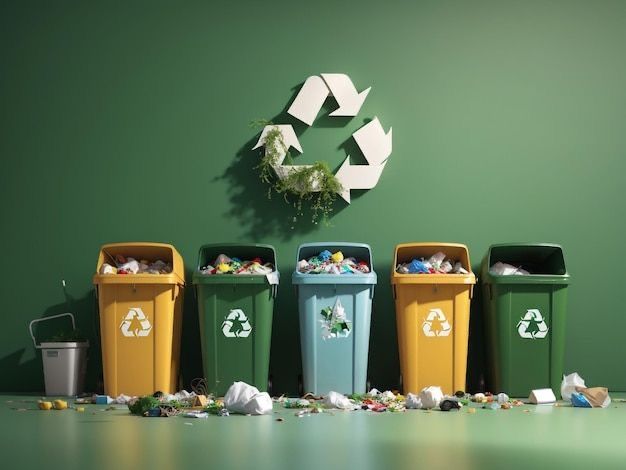
In a world increasingly aware of environmental challenges, the term “Recyclatanteil” has emerged as a critical concept. But what exactly does it mean? Recyclatanteil refers to the percentage of recycled materials incorporated into new products, and its significance extends far beyond mere numbers. As we strive for sustainability, understanding this concept becomes essential for consumers and industries alike.
Imagine picking up your favorite product and knowing that part of it comes from recycled materials rather than virgin resources. This shift not only helps conserve natural resources but also reduces waste in landfills. The journey towards incorporating Recyclatanteil is an exciting one filled with potential benefits—and some hurdles too.
Let’s explore why Recyclatanteil matters now more than ever and how it’s shaping our future!
The Environmental Impact of Recyclatanteil
Recyclatanteil refers to the proportion of recycled materials used in production processes. Its environmental impact is profound, with significant implications for waste reduction and resource conservation.
Utilizing recycled content decreases the demand for virgin resources. This leads to lower energy consumption during extraction and processing phases. As a result, greenhouse gas emissions are reduced, contributing positively to climate change mitigation efforts.
Additionally, higher Recyclatanteil levels help divert waste from landfills. By recycling more materials, we minimize pollution associated with waste disposal while conserving natural habitats affected by mining and drilling activities.
The ripple effects extend beyond individual companies; entire industries reap benefits when they embrace recyclable inputs. A collective shift toward increased Recyclatanteil can catalyze broader changes across supply chains, promoting sustainability on a global scale.
The Benefits and Challenges of Implementing Recyclatanteil
Implementing Recyclatanteil offers significant benefits. It reduces waste and promotes a circular economy. By incorporating recycled materials, companies can lower production costs and enhance their sustainability profile. This shift resonates with eco-conscious consumers, boosting brand loyalty.
However, challenges accompany this transition. Sourcing quality recyclables can be difficult due to fluctuating supply chains. Not all materials are suitable for recycling, which complicates product design processes.
Moreover, initial investments in technology and training may deter businesses from making the change. There’s also a learning curve involved in optimizing production for recycled content.
Regulatory compliance adds another layer of complexity, as standards vary globally. Companies must navigate these changes while ensuring they meet consumer expectations on performance and safety.
Despite these hurdles, many industries find ways to innovate through Recyclatanteil strategies that align environmental goals with business growth.
How Different Industries are Incorporating Recyclatanteil
Various industries are stepping up their game by integrating Recyclatanteil into their production processes. The fashion industry, for instance, is embracing recycled materials in garments and accessories. Brands are now using plastic bottles and discarded textiles to create stylish pieces.
In the packaging sector, companies are rethinking how they design products. Many are opting for containers made from a high percentage of recycled content. This shift not only reduces waste but also appeals to environmentally conscious consumers.
The automotive industry is another notable example. Car manufacturers incorporate recycled plastics and metals into vehicle components. By doing so, they not only lessen their environmental footprint but also reduce manufacturing costs.
Even construction firms recognize the value of Recyclatanteil. They utilize reclaimed materials in building projects, contributing to sustainable development while enhancing durability and aesthetics. Each step forward brings fresh opportunities for innovation across various sectors.
Consumer Awareness and Support for Recyclatanteil
Consumer awareness around Recyclatanteil is growing rapidly. More people are recognizing the importance of sustainable practices in their daily lives.
With rising environmental concerns, many individuals actively seek products that incorporate recycled materials. This shift creates a demand for companies to be transparent about their use of recyclates.
Social media plays a significant role in spreading information. Brands showcasing their commitment to sustainability often gain favor among conscious consumers. Engaging campaigns highlight how Recyclatanteil contributes to reducing waste and conserving resources.
Moreover, educational initiatives are vital. Workshops and informational articles help demystify what Recyclatanteil means and its impact on the planet.
As consumers become more informed, they wield considerable purchasing power. Their choices can influence market trends and encourage businesses to adopt more eco-friendly practices focused on recycling innovation.
Future Outlook for Recyclatanteil
The future of Recyclatanteil looks promising as industries adapt to sustainability demands. With increasing regulations worldwide, businesses are under pressure to enhance their recycling practices.
Innovations in technology are paving the way for better materials recovery processes. This means higher quality recycled content can be used in production without compromising performance.
Consumer awareness is growing rapidly too. People are becoming more conscious about the environmental impact of their purchases. They actively seek products with higher recyclatanteil, driving companies to prioritize sustainable options.
Furthermore, collaboration among stakeholders—governments, manufacturers, and consumers—will play a key role. By working together, they can create a circular economy that emphasizes resource efficiency.
As trends evolve and demand rises for eco-friendly solutions, expect significant advancements in how businesses approach recyclatanteil strategies moving forward.
Conclusion
Recyclatanteil is more than just a buzzword; it represents a vital aspect of our transition towards sustainability. As industries increasingly recognize its importance, we see the potential for significant environmental benefits. The challenges associated with implementing Recyclatanteil are real, yet they offer opportunities for innovation and growth.
Consumer awareness plays a crucial role in driving demand for products with higher recycled content. When individuals advocate for brands that prioritize environmental responsibility, they contribute to positive change within their communities and beyond.
Looking ahead, the future of Recyclatanteil appears promising. With ongoing advancements in recycling technology and materials science, we can expect even greater integration across various sectors. Each step taken toward increasing recyclate content not only helps reduce waste but also fosters a circular economy where resources are reused rather than discarded.
The journey toward embracing Recyclatanteil is just beginning, and every effort counts in creating a sustainable future for generations to come.