


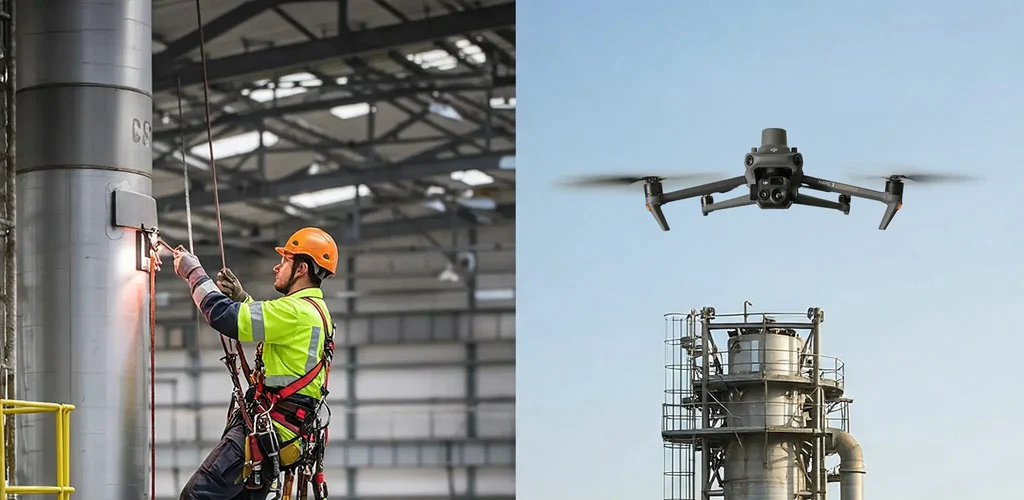
Infrastructure inspections have become more efficient with the rapid adoption of drone technology. From energy facilities to construction sites, businesses are replacing traditional inspection methods with unmanned aerial systems that deliver accurate data while minimizing risks. Modern AERIAL INSPECTION SOLUTIONS help organizations inspect hard-to-reach areas safely, reduce downtime, and improve maintenance planning.
Companies across the UAE are increasingly relying on drones to streamline operations and make informed decisions based on detailed aerial insights.
Why Drone-Based Inspections Are Transforming Industries
Traditional inspection methods often involve scaffolding, cranes, or manual climbing, making them expensive and potentially hazardous. Drone inspections eliminate many of these challenges by capturing detailed images and videos from difficult locations within minutes.
Industries such as oil and gas, construction, telecommunications, utilities, and renewable energy benefit from faster inspections, lower operational costs, and improved worker safety. Drone technology also reduces equipment shutdowns, allowing businesses to continue operations with minimal interruption.
The Role of Advanced Drone Technology
Today’s inspection drones combine intelligent flight systems with advanced imaging capabilities. Equipped with thermal cameras, LiDAR sensors, zoom cameras, and AI-powered analytics, they provide highly accurate data for maintenance teams.
Using high resolution drone cameras and sensors in Abu Dhabi, inspectors can identify structural cracks, corrosion, overheating electrical components, and roof damage before these issues become major problems. The ability to capture detailed visual information allows engineers to prepare effective maintenance strategies while reducing inspection time.
Key Advantages of Drone Inspections
- Improved workplace safety by limiting human exposure to hazardous environments.
- Faster inspection processes compared to conventional methods.
- High-quality data collection for accurate reporting.
- Reduced operational costs through efficient workflows.
- Better preventive maintenance planning.
- Minimal disruption to business operations.
Industries Benefiting from Drone Inspection Services
Drone inspections are becoming essential across multiple industries because of their flexibility and precision.
Oil and Gas
Pipelines, storage tanks, flare stacks, and offshore facilities require regular inspections. Drones quickly capture detailed images while reducing the need for risky manual inspections.
Construction
Construction managers use drones to monitor project progress, inspect completed structures, and compare site conditions against project plans. Regular aerial surveys help improve project management and documentation.
Utilities and Power
Power transmission lines, substations, and wind turbines can be inspected efficiently without interrupting electricity supply. Thermal imaging also helps detect overheating equipment before failures occur.
Telecommunications
Communication towers often require inspections at significant heights. Drones provide safe access to antennas and tower structures while producing high-definition visual reports.
Choosing the Right Drone Inspection Partner
Selecting a reliable service provider is just as important as choosing the right drone technology. Businesses should evaluate experience, certified pilots, regulatory compliance, advanced equipment, and reporting capabilities before making a decision.
A trusted provider like Gulfnet offers professional drone inspection services supported by experienced operators and modern technologies. Their customized inspection approach helps organizations collect actionable data while maintaining high safety standards.
Top Companies in Drone Inspection Services
- Falcon Eye Drones
- Gulfnet
- Terra Drone Arabia
- Sky Vision Solutions
- DroneWorks Middle East
Future Trends in Drone Inspection Technology
Drone inspection services continue to evolve with artificial intelligence, automation, and cloud-based analytics. AI-assisted image recognition enables faster defect identification, while autonomous flight planning increases inspection consistency.
The growing adoption of high resolution drone cameras and sensors in Abu Dhabi is helping organizations achieve greater precision across complex industrial inspections. Combined with predictive analytics, these technologies support proactive maintenance and long-term asset management.
As regulations continue to support commercial drone operations, businesses can expect even more advanced inspection capabilities in the coming years.
Conclusion
Modern AERIAL INSPECTION SOLUTIONS are reshaping how organizations maintain infrastructure by delivering safer, faster, and more accurate inspections. From energy facilities to commercial buildings, drone technology enables better decision-making through high-quality aerial data. By partnering with experienced providers like Gulfnet, businesses can improve operational efficiency, reduce maintenance costs, and ensure the long-term reliability of critical assets.