


You brush, you floss when you can, and you tell yourself that small sensitivity or that rough edge on a tooth can wait. A lot of people live there for months, sometimes years. They are not ignoring their health. They are juggling work, family, cost, fear, and the hope that the problem will stay small. That is usually where the real tension begins, especially when considering tooth implants in Hoffman Estates, IL. You want to prevent trouble, but you also need help fixing what has already changed.
That is where general dentistry matters most. It is not only about cleanings or only about fillings. It is the steady middle ground between stopping damage early and repairing damage before it spreads. How General Dentistry Plays A Role In Restorative And Preventive Balance comes down to one simple truth. The same dental visit that catches a weak spot can also protect the teeth you still have and restore the ones that need help.
General dentistry connects prevention and restoration in daily care
People often separate dental care into two boxes. One box is prevention, which means exams, cleanings, fluoride, home care, and advice. The other is restoration, which means fillings, crowns, bonding, and replacing damaged tooth structure. In real life, those boxes overlap all the time.
A routine exam may reveal early decay, worn enamel, gum inflammation, or a cracked filling. None of those issues stay frozen. Tooth decay can move from the enamel into deeper layers, and tooth decay can progress quietly before pain starts. By the time you feel it, the fix is often bigger and more expensive. A general dentist helps stop that pattern by finding problems when they are still manageable.
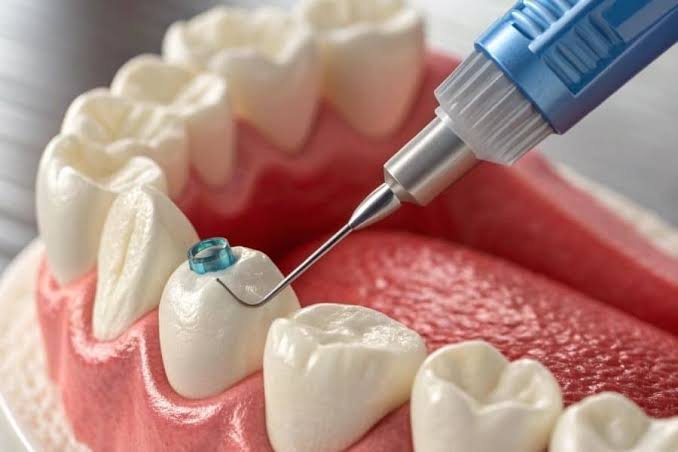
That same dentist also restores function. If a cavity has already formed, a filling protects the tooth from further breakdown. If a tooth is fractured or heavily worn, a crown may bring back strength and chewing comfort. This is the heart of a restorative and preventive balance. Repair is not separate from prevention. Good repair prevents the next stage of damage.
Small dental problems often turn into bigger and costlier ones
It usually starts in ways that feel easy to dismiss. A little bleeding when you brush. Cold sensitivity on one side. Food getting stuck in the same place. A tooth that looks darker than it used to. None of that feels urgent, which is why people wait. The trouble is that the mouth rarely fixes itself.
When plaque stays on the teeth and around the gums, the risk of decay and gum disease rises. The CDC shares practical oral health tips for adults that support this basic fact. Daily habits matter, but so do professional exams and cleanings because some buildup and early changes are hard to manage at home.
There is also the bigger picture. Oral health affects comfort, eating, sleep, speech, confidence, and social ease. If you have ever covered your mouth when you laugh or chewed on one side because the other side hurts, you already know this is not just about teeth. The National Institute of Dental and Craniofacial Research explains in Oral Health in America that oral health is tied to quality of life across the lifespan.
Preventive and restorative dentistry works best when care happens before pain forces the issue. That does not mean perfection. It means catching what is reversible, controlling what is active, and rebuilding what has already been lost.
General dentist care supports both short term relief and long term stability
A general dentist often becomes the first person to notice patterns that affect your future dental health. Grinding, dry mouth, receding gums, old fillings that are starting to leak, bite stress, diet habits, and skipped recall visits all leave clues. A good plan is not only about treating the tooth in front of you. It is about reducing the chance that the same problem shows up again six months later.
Think about a patient with a small cavity between two teeth. A filling restores the damaged area, but that is only half the job. If the cause is frequent snacking, poor flossing access, or crowding, the risk remains. General dental care addresses both sides. The tooth gets repaired, and the daily pattern that led to the decay gets attention too.
The same applies to gum health. A cleaning may remove buildup, but if bleeding gums are already present, you may need closer monitoring and stronger home care habits. Prevention protects the restored work, and restored teeth are easier to maintain when the gums are healthy.
Home care and professional care do different jobs
| Approach | What It Helps With | Limits |
|---|---|---|
| Brushing and flossing at home | Reduces plaque, freshens breath, lowers risk of cavities and gum problems | Cannot remove hardened tartar or diagnose cracks, hidden decay, or failing restorations |
| Routine dental exams and cleanings | Finds early disease, removes buildup, tracks changes over time | Works best when visits are not delayed until pain appears |
| Restorative treatment such as fillings or crowns | Repairs damage, restores chewing, protects weakened teeth | Does not stop new disease without prevention and home care |
The strongest results come from combining all three. That is why many people who want fewer dental problems over time do better with steady maintenance than with a cycle of waiting, treating pain, and waiting again.
Three steps can improve your restorative and preventive balance now
- Pay attention to patterns, not just pain. Bleeding gums, sensitivity, bad breath, chips, and food traps are signs worth acting on. Pain is late. Patterns show up earlier.
- Protect the work you already have. If you have fillings, crowns, bridges, or bonded teeth, home care matters even more. Restored teeth still need plaque control, fluoride exposure, and regular checks to make sure margins stay sound.
- Schedule care before the problem grows. A small cavity is easier to treat than a deep one. Mild gum irritation is easier to control than advanced disease. Early action usually means simpler treatment, lower cost, and less stress.
Balanced dental care keeps more options open
The best part of general dentistry is not that it promises perfect teeth. It gives you a practical way to stay ahead of damage while repairing what life, time, and wear have already changed. That balance is what protects comfort, function, and confidence over the long run.
If you have been putting off care because the problem seems minor, that feeling is common. Small issues are exactly where prevention and restoration meet. A visit with a general dentist can show what needs attention now, what can be watched, and how to keep future treatment smaller.