


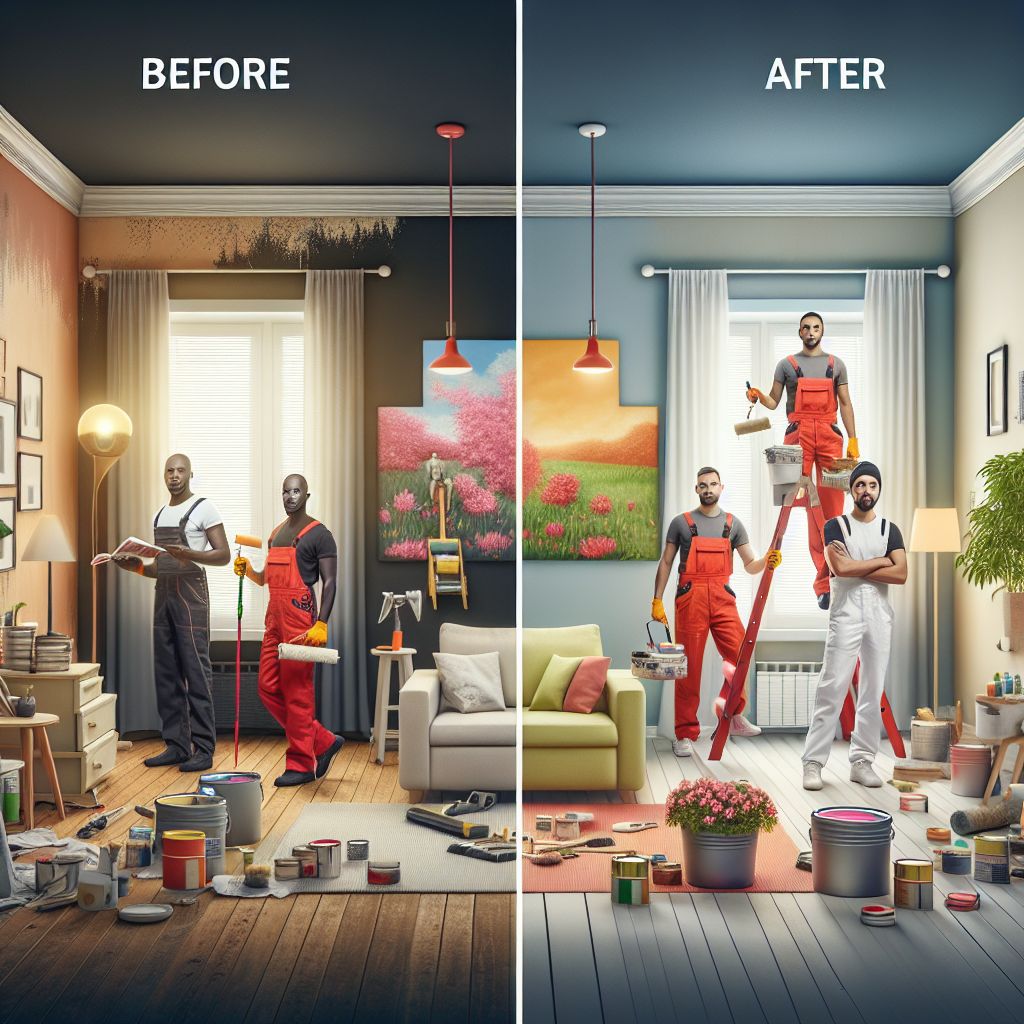
A fresh coat of paint does more than change color. It changes how a home feels, how it functions, and how long its surfaces hold up against weather, wear, and time. For homeowners weighing whether to tackle a painting project themselves or bring in professionals, the decision often comes down to one question: do you want a paint job, or do you want a finish that lasts?
That distinction matters more than most people realize. A rushed DIY job might look fine for a few months, but peeling edges, uneven coverage, and mismatched sheens tend to surface once the seasons change. Professional painting services solve this problem by combining the right materials, proper surface preparation, and skilled application into a process built for longevity. The result is a home that looks polished today and holds that polish for years.
This post breaks down what goes into a quality painting project, why preparation matters as much as the paint itself, and how choosing the right team can make the difference between a job that fades and one that lasts.
Why Surface Preparation Determines the Outcome
Paint only performs as well as the surface beneath it. Skipping preparation is one of the most common mistakes in both DIY and lower-quality professional jobs, and it’s the reason so many paint jobs fail early.
Proper preparation includes several steps that are easy to overlook but hard to skip without consequences:
- Cleaning surfaces to remove dirt, mildew, and grease that prevent paint from bonding.
- Sanding rough patches so the new coat applies evenly.
- Filling cracks and holes to create a smooth, uniform base.
- Priming bare or repaired areas so the topcoat adheres properly and colors appear true.
Each of these steps takes time, which is exactly why they get rushed or skipped when speed is the priority. A team that treats preparation as non-negotiable is a team that understands paint is a system, not just a color choice.
What Separates a Good Paint Job From a Great One
Color selection gets most of the attention, but the technical choices behind a paint job matter just as much. Sheen level, for instance, affects both appearance and durability. Satin and eggshell finishes tend to hide imperfections well and work nicely in living rooms and bedrooms, while semi-gloss holds up better in high-moisture areas like kitchens and bathrooms because it resists scrubbing and humidity.
Material quality plays an equally important role. Higher-grade paints contain more pigment and better binders, which means richer color, fewer coats needed, and stronger resistance to fading and chipping. Cutting corners on materials often costs more in the long run, since walls end up needing a repaint sooner than expected.
Application technique ties everything together. Even brush strokes, consistent roller pressure, and clean lines along trim and corners are the visible signs of a job done with care. These details are subtle, but they’re exactly what people notice when they walk into a freshly painted room and immediately sense the quality of the work.
Interior vs. Exterior Painting: Different Challenges, Different Solutions
Interior and exterior painting projects call for different approaches, and understanding these differences helps homeowners set realistic expectations.
Interior painting is largely about aesthetics and finish quality. Lighting, color psychology, and room function all influence which colors and sheens make sense. A home office might benefit from a calming, muted tone, while a kitchen could handle something bolder paired with a durable, easy-to-clean finish.
Exterior painting has to contend with the elements. Sun exposure, moisture, temperature swings, and even pests can all affect how well paint holds up outside. Exterior projects typically require weather-resistant formulas, careful attention to caulking and sealing around windows and doors, and timing the job around dry, moderate weather to ensure proper curing.
Both types of projects benefit from professional insight, but exterior work in particular rewards experience. Knowing how a specific paint reacts to local climate conditions can mean the difference between a finish that lasts a decade and one that needs touch-ups within a year or two.
Choosing a Painting Service That Delivers Lasting Results
Not all painting services offer the same level of craftsmanship, and the differences usually show up over time rather than on day one. A quality provider will walk through the space with the homeowner, discuss color and finish options honestly, and set clear expectations about timeline and process before any paint is opened.
Decades of proven craftsmanship stand behind every project handled by A Classic Touch Painting, giving homeowners a finish that looks refined on day one and continues to protect their walls for years afterward. From careful surface preparation to precise application, the goal is always the same: a result that reflects genuine skill rather than a rushed shortcut.
Homeowners considering a painting project should look for a provider who prioritizes preparation, communicates clearly about material choices, and stands behind their work. Those qualities, more than any single color choice, are what turn a simple paint job into a lasting transformation.
Bringing It All Together
A great paint job is the sum of many small decisions: the right prep work, the right materials, the right technique, and the right team executing all of it with care. Homeowners who understand this are better equipped to ask the right questions and set realistic expectations before starting a project.
Whether the goal is refreshing a single room or transforming an entire home’s exterior, investing in quality craftsmanship pays off in the years of durability and curb appeal that follow. The right professional partner makes that investment easier to get right the first time.