


Emotional support animals are some of the most helpful animal companions around, and it’s important to figure out how to ensure your ESA can take advantage of state and federal accommodations.
If you need one of these companions, a therapist or licensed mental healthcare provider must write you an ESA letter; these letters can seem confusing when you are first researching emotional support animals. Below, we discuss ESA letters and who can legally write you one of these essential documents.
What Is an ESA Letter?
An ESA letter is the letter that you will need to show that your emotional support animal is legitimate; legitimate animals can take advantage of federal housing protections and other state-specific housing protections, something that many individuals who need an ESA benefit from.
With an ESA letter, individuals with companion animals will not be required to pay additional pet rent, pet fees, or pet security deposits while living in an apartment or other rented housing area with their companion animal.
Do I Need an ESA Letter?
If you plan on adding an emotional support animal to your treatment plan, you will need to obtain a valid and legitimate ESA letter. This letter is the only documentation you need to ensure you can access housing accommodations, though many individuals choose to obtain additional identification documents for peace of mind.
Can Anyone Qualify for an Emotional Support Animal?
Any individual can qualify for an emotional support animal as long as their therapist approves them for a companion animal and agrees to write an ESA letter. The most common conditions that ESAs are prescribed for include anxiety, depression, chronic stress, PTSD, and OCD.
If a disorder or condition requires more intensive animal assistance, such as having the animal perform calming maneuvers or retrieve items, then a service animal might be a better fit than an emotional support animal, as ESAs are not trained.
If you find that a service animal might be a better fit for your treatment, note that you won’t need to obtain any documentation from a therapist or any other licensed provider, though they may recommend the use of one. Instead, you will need to work with a professional dog trainer or have your dog trained.
Can Any Therapist Write an ESA Letter?
Any therapist who is licensed in your state of residence can write you an ESA letter. However, you should note that state rules do differ, and you may need to have a relationship with your therapist or mental healthcare provider before they are allowed to write you an ESA letter. This generally means that you must see your therapist for at least 30 days, or longer if your therapist determines it is necessary, before you are eligible for an ESA prescription.
Can I Get Accommodations for My ESA Without a Letter?
You generally cannot get housing accommodations without an ESA letter. This letter is the essential documentation you need to ensure that your emotional support animal is valid and protected by state and federal regulations. Without a legitimate ESA letter, a landlord or property manager has full rights to treat your companion animal no differently than a pet, including applying restrictions to your animal.
Do I Need an Identification Certificate for My ESA?
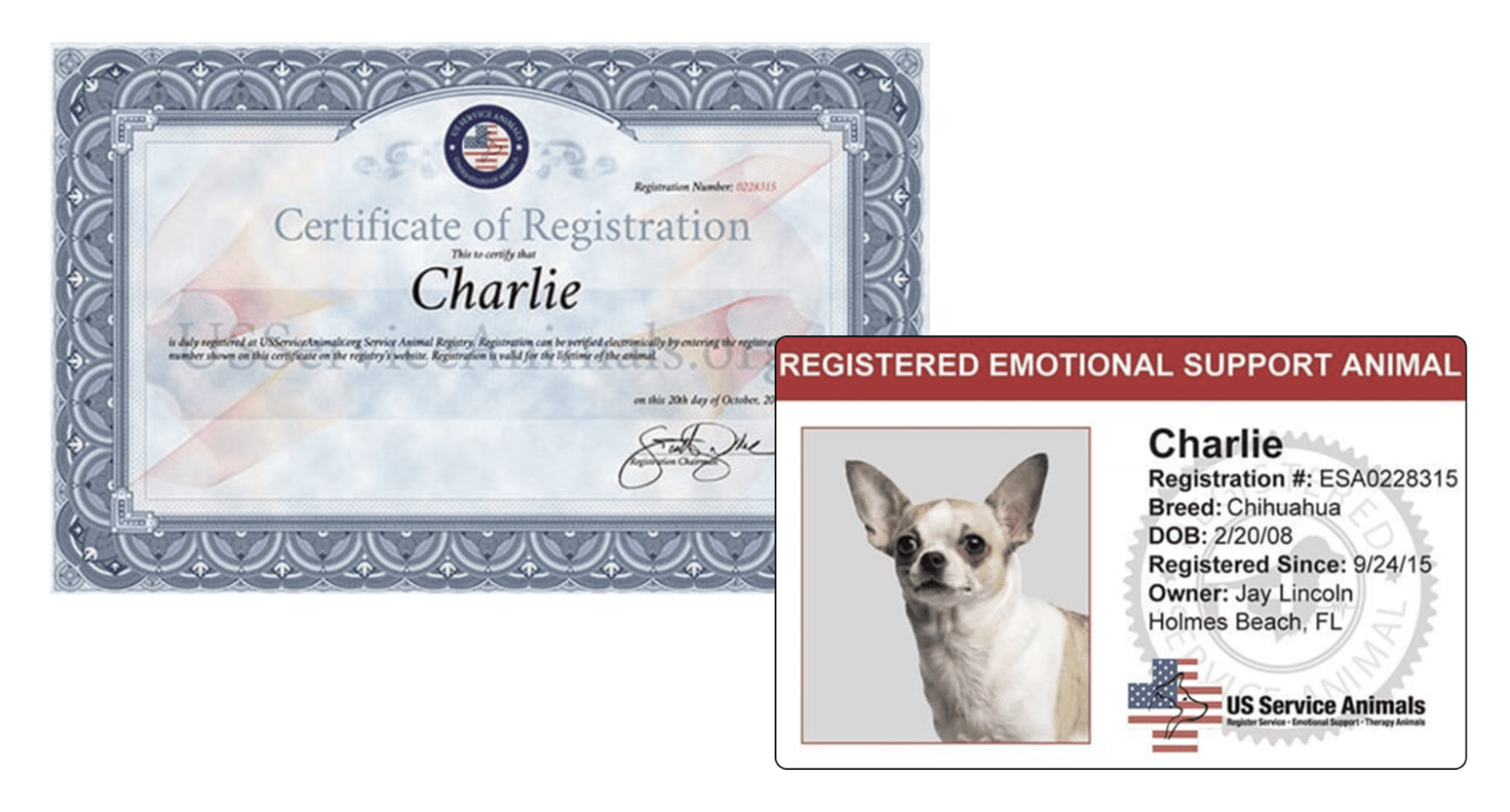
You do not need an ESA certificate for your emotional support animal, though many individuals choose to get this additional document so they have something easy on hand to identify their ESA. You can provide this document alongside your ESA letter when requesting housing accommodations for your companion animal.
Can Any Therapist Write an ESA Letter? Now You Know
Obtaining a tailored ESA letter from a therapist licensed in your state is essential if you want to make sure your companion animal is legitimate. We recommend researching any ESA-specific laws in your state to ensure that you are completing all of the steps required to get a valid ESA letter, in addition to speaking to your therapist or licensed mental healthcare provider about your ESA prescription.