

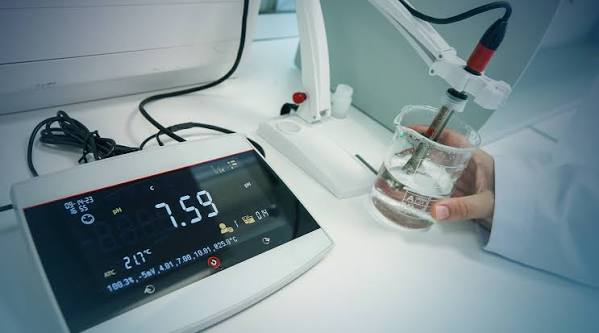
A pH reading can guide mash adjustment, wort control, fermentation monitoring, and cleaning checks, but a poorly maintained probe can be worse than no reading. Reliable measurements depend on the correct electrode, fresh buffers, suitable sample temperature, proper storage, and a consistent calibration and cleaning routine.
When comparing brewery pH meter, start with the process duty and the conditions that will expose a weakness. A catalogue capacity or single performance number cannot show how the unit will behave across normal production, cleaning, start-up, and a demanding recipe.
What the Equipment Must Accomplish
Decide whether the meter is used at the bench or installed inline. Hot mash and wort samples often need to be cooled to the method’s specified temperature before comparison with recipe targets; temperature compensation does not erase every chemistry difference between hot and cooled samples. Fermenting beer adds CO2, yeast, and proteins that can foul a probe. State the measurement method along with the target pH.
How to Diagnose the Current Problem
If readings drift, respond slowly, or fail calibration, check the electrode condition before adjusting the beer. Inspect the bulb and junction for deposits, trapped air, drying, or physical damage. Verify buffer expiry and contamination. A probe that reads one buffer correctly but fails the second may be aging or dirty. Compare duplicate samples with a known-good instrument and record sample temperature and time after collection.
Which Design Details Matter
Choose an electrode suitable for the sample matrix and expected temperature, with replaceable parts and a clear cleaning procedure. For inline use, confirm sanitary connection, pressure rating, retractable access if needed, and compatibility with CIP. Select a meter that displays calibration slope or health indicators, not just a single pH value. A rugged portable unit may be better for a small brewery than an inline probe that cannot be serviced easily.
Utilities and Installation Requirements
Provide clean calibration space, distilled or approved rinse water, fresh buffers spanning the measurement range, correct storage solution, and a logbook. An inline sensor needs power, signal integration, access for removal, and a safe isolation plan. Avoid locating a probe in a stagnant branch or directly against a chemical injection point unless the measurement is meant for that condition. The controller should alarm on implausible or lost signal rather than continuing an automatic dose.
Cleaning and Safety Requirements
Rinse between samples without rubbing the glass bulb. Use the manufacturer-approved cleaning solution for protein or mineral fouling, then recondition and recalibrate. Store the electrode in its specified solution; plain water can shorten the life of some designs. Replace damaged or exhausted probes rather than forcing repeated calibration. For sanitary sensors, verify that seals and retractable housings remain clean and leak-tight after service.
Common Specification Mistakes
Do not compare a room-temperature pH reading with a target defined for hot measurement without noting the difference. Do not pour used buffer back into the bottle. A single-point calibration is weak evidence if the process range is broad. Operators should record calibration slope, buffer lot, sample temperature, and any cleaning action so a sudden recipe change is not made on the basis of an untrustworthy instrument.
How to Verify Performance
At commissioning, calibrate with fresh appropriate buffers, verify a third check solution if required, and measure duplicate real brewery samples. Compare the portable and inline readings under the same sample conditions. Challenge sensor removal, cleaning, and reinstallation. Acceptance should include a documented daily or shift check, storage method, alarm behavior, and a clear threshold for replacing the electrode.
How to Compare Supplier Proposals
For brewery pH meter, give every supplier the same product mix, batch size, duty cycle, utility conditions, control expectations, and acceptance criteria. Ask each one to mark exclusions as clearly as inclusions. Compare drawings, materials, instruments, access, controls, documentation, spares, installation support, and warranty boundaries rather than comparing vessel size or purchase price alone. A lower bid can become a higher installed cost when field piping, valves, software, commissioning, and training are omitted. Request a component list and a responsibility matrix before placing an order.
A request for quotation for brewing pH sensor should state the operating cases that matter most. Ask which values are guaranteed at the site, which are estimates, and what the supplier expects the brewery to provide. Keep any change to the agreed design in a written revision so the acceptance test remains tied to the installed equipment.
The Purchase Specification in One Page
For this application, the one-page specification should state sample temperature and preparation, pH range, buffer checks, electrode storage, cleaning method, and replacement criterion. Include the beer or wort condition at the test point, the expected range rather than a single ideal value, and who will measure each result. Add the drawings and documents needed to confirm that the delivered machine matches the offer. Name the site utilities and the boundary between supplier and brewery work. Finally, define the out-of-range response, because a number in a quotation is useful only when both sides know what happens if the installed system misses it.
A Practical Commissioning Sequence
For brewing pH sensor, check mechanical completion, instrument identification, electrical and utility connections, safe isolation, and cleaning readiness before processing beer. Run water or an appropriate test medium first where it can reveal leaks or control errors without sacrificing a batch. Then test the equipment with a representative production load. Record the settings, alarms, operator actions, measurements, and deviations. Train operators using the final configuration, not a draft drawing. Revisit the data after several runs, because an installation can pass a single demonstration and still fail under a full production schedule.
What to Keep in the Operating Record
Keep the approved drawing, equipment tags, settings, certificates where relevant, cleaning procedure, spare-parts list, and baseline performance trend for brewery pH meter together. Record the conditions behind each meaningful failure, including recipe, volume, temperature, pressure, flow, and operator action. That record helps separate a mechanical defect from a changed process. Review it after any new tank, recipe, package format, or utility change. A durable specification is one the brewer, maintenance team, and supplier can all test against the same evidence.
Can Automatic Temperature Compensation Replace Sample Control
No. It corrects the electrode’s electrical response, but pH of a brewing sample can genuinely change with temperature and dissolved CO2. Use the method’s specified sample preparation and temperature when comparing with recipe targets. Record that condition beside the result so a process adjustment rests on comparable measurements.