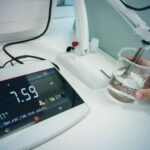


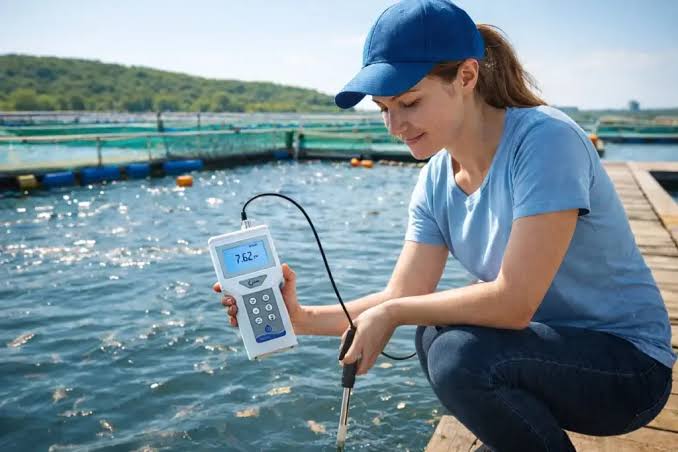
A dissolved oxygen meter is useful only when its measuring range, sampling arrangement, and handling procedure match beer production. Oxygen can enter the sample during collection and create a false high reading. Before buying the instrument, define the process points to be tested and the decisions that will follow a high result.
When comparing brewery dissolved oxygen meter, start with the process duty and the conditions that will expose a weakness. A catalogue capacity or single performance number cannot show how the unit will behave across normal production, cleaning, start-up, and a demanding recipe.
What the Equipment Must Accomplish
A brewery may need to compare oxygen before and after a transfer, at bright-tank discharge, during canning, and in packages. The expected concentration and available sample volume differ among these points. Portable optical sensors, inline probes, and package analyzers have different strengths. A general-purpose laboratory probe may be unsuitable for very low oxygen in beer or for a carbonated sample under pressure.
How to Diagnose the Current Problem
If results jump unexpectedly, inspect the sample line for bubbles, air leaks, warm spots, and stagnant beer. Compare repeated readings from the same point after a consistent flush. A systematic rise across a transfer may be real; an isolated high value from one operator may be sampling technique. Check calibration status, sensor response time, and temperature compensation. Report the exact sample location and method with every result.
Which Design Details Matter
Specify the needed range and resolution, sensor technology, pressure and temperature limits, sample-cell design, cleaning method, calibration or verification procedure, and data export. Inline placement can reveal trends but may be difficult to maintain or validate; portable sampling is flexible but operator-sensitive. Ask for the complete accessories list, including sample tubing, fittings, regulator, and standards, rather than a probe price alone.
Utilities and Installation Requirements
An inline probe needs sanitary installation, power, communication, and safe removal access. A portable instrument needs a stable sampling bench and protected transport. Keep sample tubing short, gas-tight, and compatible with beer. If the sample must be depressurized, use a method that avoids air entrainment and changing oxygen before measurement. Define units clearly, since a mix of parts per billion and milligrams per liter can cause serious interpretation errors.
Cleaning and Safety Requirements
Follow the instrument maker’s cleaning, membrane or cap replacement, and storage instructions. Beer protein and yeast can foul optical or electrochemical surfaces. Verify performance with the specified check standard and record the result, especially before a critical packaging run. Do not scrub a sensor with an abrasive or immerse electronics beyond their rating. A spare consumables kit reduces the temptation to use a questionable probe.
Common Specification Mistakes
Buying a meter without a sampling plan often leads to arguments over numbers rather than oxygen control. Another mistake is treating a package reading as equivalent to tank dissolved oxygen; package methods may measure total package oxygen and include headspace contribution. Establish the metric and method for each decision. Use the same procedure when comparing before-and-after values, and train operators on bubble-free sampling.
How to Verify Performance
During acceptance, verify the instrument against its reference procedure and measure the same production point repeatedly. Compare operators and check response after a known high-oxygen challenge. Demonstrate the sample path at the lowest expected oxygen level and under normal carbonation. Record calibration, uncertainty or repeatability, and data export. The instrument is ready when it can detect a meaningful process change rather than only display a plausible number.
How to Compare Supplier Proposals
For brewery dissolved oxygen meter, give every supplier the same product mix, batch size, duty cycle, utility conditions, control expectations, and acceptance criteria. Ask each one to mark exclusions as clearly as inclusions. Compare drawings, materials, instruments, access, controls, documentation, spares, installation support, and warranty boundaries rather than comparing vessel size or purchase price alone. A lower bid can become a higher installed cost when field piping, valves, software, commissioning, and training are omitted. Request a component list and a responsibility matrix before placing an order.
A request for quotation for beer oxygen measurement should state the operating cases that matter most. Ask which values are guaranteed at the site, which are estimates, and what the supplier expects the brewery to provide. Keep any change to the agreed design in a written revision so the acceptance test remains tied to the installed equipment.
The Purchase Specification in One Page
For this application, the one-page specification should state oxygen range at each sample point, bubble-free sampling arrangement, repeatability, calibration procedure, and package-test method. Include the beer or wort condition at the test point, the expected range rather than a single ideal value, and who will measure each result. Add the drawings and documents needed to confirm that the delivered machine matches the offer. Name the site utilities and the boundary between supplier and brewery work. Finally, define the out-of-range response, because a number in a quotation is useful only when both sides know what happens if the installed system misses it.
A Practical Commissioning Sequence
For beer oxygen measurement, check mechanical completion, instrument identification, electrical and utility connections, safe isolation, and cleaning readiness before processing beer. Run water or an appropriate test medium first where it can reveal leaks or control errors without sacrificing a batch. Then test the equipment with a representative production load. Record the settings, alarms, operator actions, measurements, and deviations. Train operators using the final configuration, not a draft drawing. Revisit the data after several runs, because an installation can pass a single demonstration and still fail under a full production schedule.
What to Keep in the Operating Record
Keep the approved drawing, equipment tags, settings, certificates where relevant, cleaning procedure, spare-parts list, and baseline performance trend for brewery dissolved oxygen meter together. Record the conditions behind each meaningful failure, including recipe, volume, temperature, pressure, flow, and operator action. That record helps separate a mechanical defect from a changed process. Review it after any new tank, recipe, package format, or utility change. A durable specification is one the brewer, maintenance team, and supplier can all test against the same evidence.
Why Do Two Oxygen Readings Disagree
Sampling is often the first suspect. Bubbles, a leaky fitting, different flush volumes, temperature changes, and different measurement definitions can produce disagreement. Compare the instruments on the same flowing point using the same procedure, then check their verification records. Do not average incompatible readings and treat the result as truth.