


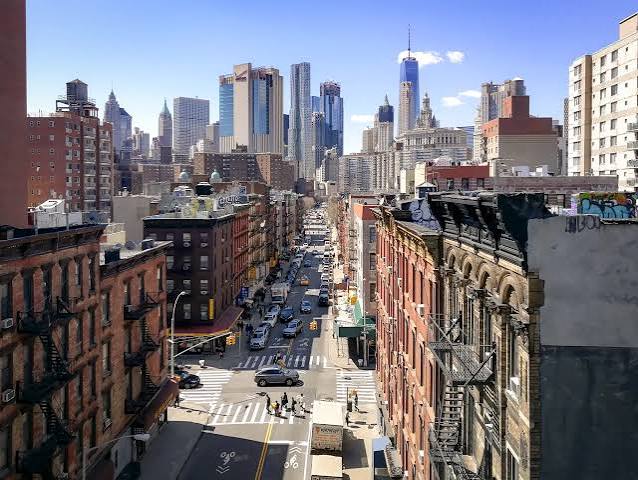
Key Takeaways
- Choose one main landmark or attraction as the focus of the day.
- Build the rest of the schedule around one nearby New York City neighborhood.
- Allow extra time for entry procedures, transit changes, meals, and rest.
- Confirm current hours, ticket rules, weather, and accessibility details before leaving.
- Keep at least one part of the itinerary flexible if conditions change.
A memorable day in New York City, New York, does not need to involve racing from Lower Manhattan to Central Park and then across town again before dinner. A more enjoyable approach is to pick one meaningful anchor, then explore the blocks around it at a pace that leaves room for discovery. Visitors comparing NYC things to do can use the Empire State Building as an example, then shape the rest of the day around Midtown rather than treating it as one stop on an exhausting citywide checklist.
This approach works just as well for a museum afternoon on the Upper East Side, a waterfront visit near Battery Park, a Brooklyn Bridge walk in Lower Manhattan, or a theater night in the Times Square area. One landmark gives the day a purpose. One neighborhood gives it a natural rhythm.
Why One Main Attraction Makes Sense
New York City distances can look manageable on a map while still taking considerable energy in real life. Sidewalk crowds, street crossings, elevator waits, subway transfers, restroom breaks, ticket lines, and security screening all add time. A schedule with too many fixed stops leaves little margin for those ordinary parts of travel.
A simpler rule is more useful: plan one major attraction, one proper meal nearby, and one or two lighter activities. The lighter stops can be a public plaza, bookstore, small gallery, historic street, park bench, market, library, or café. They give travelers a chance to experience the neighborhood instead of merely passing through it.
Start With the Day’s Main Goal
Begin by asking one direct question: what would the group most regret missing? The answer might be skyline views, a particular collection at a museum, a ferry ride, a Broadway performance, or time in a well-loved park. That experience should become the day’s anchor, even if it is not the city’s most famous attraction.
- Choose the experience that matters most to the group.
- Estimate the full commitment, including travel, arrival, entry, and the visit itself.
- Reserve the required ticket or time slot, if applicable.
- Plan food and smaller stops within the same general area.
For example, a Statue of Liberty visit is not simply a quick photo stop. Visitors may need advance ferry arrangements, time for screening, and additional time if they want access beyond general admission. The National Park Service advises travelers to purchase ferry tickets in advance when planning a Liberty Island and Ellis Island day.
Match the Time of Day to the Experience
There is no universally perfect sightseeing time. The best choice depends on the activity, the season, and the people traveling.
- Morning: Useful for travelers with fresh energy, families who prefer an early start, and outdoor plans that may feel more comfortable before midday.
- Midday: A practical fit for museums, indoor exhibits, lunch, and activities that do not depend on outdoor light.
- Late afternoon: A good choice for visitors who want a slower morning, then a neighborhood walk and dinner afterward.
- Evening: Best for theater, illuminated city views, dinner, and a relaxed walk when the day’s primary activity is already complete.
Families with young children, visitors managing jet lag, and older travelers may benefit from a slower start or an earlier finish. A plan that respects the group’s actual energy level is more valuable than one that looks impressive on paper.
Build the Route by Neighborhood
Once the main attraction is chosen, avoid scattering the rest of the itinerary across Manhattan. Staying local reduces backtracking and makes it easier to adapt. Midtown can pair an observation deck with Bryant Park, the New York Public Library area, Koreatown, or a theater district meal. Lower Manhattan can pair a waterfront landmark with Battery Park, the Financial District, or a nearby historic walk.
A Simple Route Formula
- Start with breakfast or coffee close to the first stop.
- Arrive at the main landmark with enough time to spare.
- Take a real lunch break nearby.
- Add one smaller cultural, scenic, historic, or outdoor activity.
- Finish with dinner or an easy neighborhood walk.
This format keeps the day focused while still leaving space for the moments people often remember most, such as a favorite pastry, an unexpected storefront, a quiet place to sit, or a view found between scheduled stops.
Plan Tickets, Transit, and Accessibility Early
Check whether an attraction requires timed entry, and confirm what that time actually means. It may indicate admission, a security queue, a ferry check-in, or the beginning of a guided experience. Save confirmations to the phone before leaving, but also keep essential details available if connectivity is unreliable.
On the morning of the visit, review transit conditions and select a backup station or route. Fewer transfers can be worth a slightly longer walk, especially when luggage, strollers, mobility needs, or tired children are part of the equation. Accessibility should be part of the original plan, including entrances, elevators, seating, restrooms, and step-free routes.
Leave Room for Food, Rest, Weather, and Crowds
Put lunch close to the landmark, not across the city. Carry water, a small snack if needed, a portable charger, and any required medication. A short sit-down break can protect the entire afternoon, while a rushed meal often creates more stress than it saves.
Check the forecast before departure, dress in layers when conditions are variable, and prepare an indoor alternative for rain, strong wind, or excessive heat. Travelers can consult New York City weather updates when severe conditions could affect outdoor plans or travel around the five boroughs.
Know What to Drop When Plans Change
If the Main Line Is Longer Than Expected
Remove the least important later stop. Do not try to recover time by rushing through every remaining activity.
If the Weather Turns Bad
Replace a long outdoor walk with a museum, café, library, covered market, or an unhurried meal nearby.
If Someone Becomes Tired
Choose the nearest practical rest stop. Ending earlier can be better than turning the final hours into a struggle.
If Transit Is Delayed
Stay in the current neighborhood and choose a nearby alternative rather than crossing the city to preserve an outdated schedule.
Sample New York City Landmark Day
- 8:30 a.m.: Breakfast near the selected neighborhood.
- 10:00 a.m.: Main landmark visit.
- 12:30 p.m.: Lunch and a short rest.
- 2:00 p.m.: Nearby museum, park, gallery, or historic walk.
- 4:00 p.m.: Flexible time for photos, coffee, shopping, or a break.
- 6:30 p.m.: Dinner close to the final stop.
Final Planning Checklist
- Pick one main attraction.
- Choose supporting stops in the same area.
- Confirm hours, tickets, and entry rules.
- Check transit, weather, and street conditions.
- Review accessibility needs in advance.
- Schedule food and rest.
- Keep one activity optional.
A better New York City day is built around a clear priority and enough room for real life. Choose one landmark, stay close to its neighborhood, and let the day breathe. You may cover fewer blocks, but you will have more time to enjoy the city around you.