

Design and decor inspiration is easiest to find when you stop trying to copy an entire room and start choosing elements that reflect your personality. A striking artwork, thoughtful color palette, sculptural lighting, or well-designed everyday object can change the character of a space without a complete renovation.
The best interiors usually balance beauty with function. Your home should feel considered, but it should also feel comfortable and lived in.
Start With the Feeling You Want
Before choosing furniture or decorative objects, think about how you want the room to feel. Calm, warm, creative, dramatic, elegant, or playful are all useful starting points.
This simple step makes decorating easier because every later decision has a reference point. A relaxed living room may call for soft textures and muted colors, while an energetic creative space can handle stronger artwork and bolder contrasts.
Color is one of the quickest ways to establish that mood. You do not need a complicated palette. Two or three main tones, supported by natural materials and a few contrasting accents, can create a cohesive interior.
Let Art Shape the Room
Art can do more than fill an empty wall. A carefully selected painting, photograph, print, sculpture, or mixed-media work can become the visual anchor around which the rest of a room develops.
This is particularly useful when a space feels unfinished. Instead of adding several small decorative pieces, consider one artwork with enough presence to give the room direction.
Kunstplaza brings together contemporary art, design and decorative objects through its online gallery, magazine and shop, making it a useful source of design and decor inspiration for creating a stylish home. Its gallery includes original works, limited editions and high-quality art prints, while its editorial content covers art, design, culture and interior inspiration.
Choose Art That Works With Your Interior
The artwork does not have to match your sofa or curtains exactly. In fact, a little contrast can make a room more interesting.
Look at the dominant colors, shapes and textures already present in the room. Then choose art that either complements those qualities or deliberately introduces something different.
Scale matters, too. A tiny picture can disappear above a large sofa, while an oversized work can dominate a compact wall. Measure the available area before buying, especially when shopping online.
Mix Function With Decorative Design
A stylish home does not need to be filled with objects that serve no purpose. Some of the most effective design pieces combine practical use with visual appeal.
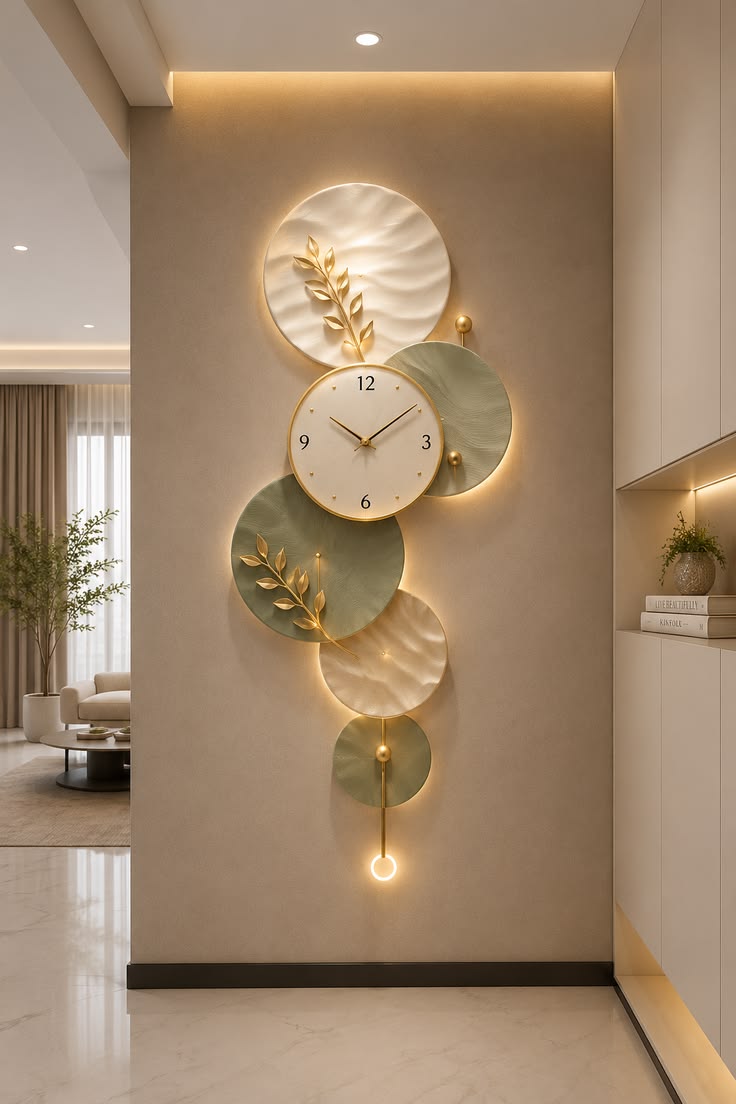
Think about lamps, mirrors, side tables, vases, trays, clocks or carefully designed storage. These objects become part of the interior rather than looking like additions made at the last minute.
This approach also helps prevent clutter. When an object earns its place through both function and design, the room can feel more intentional without becoming crowded.
Use Texture to Add Depth
A room can have a beautiful color scheme and still feel flat. Texture gives the eye something to explore and makes an interior feel more layered.
Combine materials such as wood, stone, glass, metal, ceramic and textiles. A smooth surface beside something tactile creates contrast without requiring brighter colors.
Soft furnishings are an easy place to experiment. A textured rug, woven cushion, linen curtain or upholstered chair can introduce warmth while keeping the overall design restrained.
Create a Strong Focal Point
Every room benefits from a visual starting point. It might be a large artwork, an unusual light fixture, a fireplace, a statement chair or even an architectural feature.
Once you have identified the focal point, keep competing elements under control. Too many statement pieces can make the room feel visually noisy.
A useful rule is to give important objects enough surrounding space to be appreciated. Negative space is part of the design, not wasted space.
Bring Nature Into the Interior
Plants and natural materials can soften a room and add variation to otherwise structured interiors. You do not need to turn your home into an indoor jungle.
One large plant can work well in an empty corner, while smaller plants can add life to shelves or sideboards. Natural wood, stone, rattan and ceramics can reinforce the same connection to nature.
The key is repetition. When natural elements appear in more than one area, they feel integrated rather than randomly placed.
Make Lighting Part of the Decor
Lighting affects how every other design decision looks. A beautiful artwork can lose its impact under harsh, poorly positioned light, while warm and layered illumination can make ordinary materials feel much richer.
Instead of relying on one central ceiling fixture, consider several sources at different heights. Ambient lighting provides general illumination, task lighting supports specific activities, and accent lighting can highlight artwork or architectural details.
Decorative lamps can also function as design objects in their own right. Their shape, material and proportions should work with the furniture around them.
Give Shelves Room to Breathe
Open shelving can become a strong decorative feature, but filling every available space often has the opposite effect.
Mix books, artwork, ceramics and a few meaningful objects while leaving some areas empty. Vary heights and shapes rather than arranging everything in identical rows.
You can also rotate objects seasonally. This keeps the room feeling fresh without requiring constant purchases.
Follow Trends Without Losing Your Personality
Interior trends can provide useful design inspiration, but they do not need to dictate your home. A trend that looks impressive online may not suit your architecture, lifestyle or taste.
A better approach is to borrow individual ideas. You might adopt a color, material, furniture shape or styling technique while keeping your existing foundation.
This is where an art and design resource can be especially useful. Kunstplaza’s magazine covers interior design, home decor and current trends alongside broader subjects such as contemporary art, architecture and culture.
A Simple Way to Refresh a Room
You do not always need new furniture to create a noticeable change. Start by removing objects that no longer contribute to the room.
Then reassess the wall art, lighting, textiles and smaller decorative pieces. Moving an existing artwork, changing the arrangement of furniture or introducing one strong design object can sometimes have more impact than buying several inexpensive accessories.
If you do shop for something new, choose pieces slowly. A distinctive object with a clear visual purpose is usually more valuable to an interior than several items purchased simply to fill space.
Design and Decor Inspiration Should Feel Personal
The most memorable interiors are rarely perfect copies of a showroom. They reveal something about the people who live there.
Family photographs, collected artworks, handmade objects, travel finds, books and pieces with personal meaning can give a room character that cannot be achieved through trend-based decorating alone.
Contemporary art is especially effective because it can introduce emotion, conversation and individuality into an otherwise functional space. A curated art selection can also connect different rooms through recurring colors, themes or materials.
FAQ
How do I find design and decor inspiration for my home?
Start with the rooms you already like and identify what attracts you: color, artwork, furniture, materials or lighting. Then adapt those ideas to your own space rather than copying the entire look.
What is the easiest way to make a room look more stylish?
Improve the visual hierarchy first. Declutter, create a focal point, add suitable lighting and introduce one or two distinctive decorative or artistic pieces.
How can I decorate without making my home look cluttered?
Choose fewer objects and give them enough space around them. Combining functional pieces with decorative value also helps keep the overall look intentional.
Should artwork match my interior design?
It does not need to match exactly. Artwork can complement the existing palette or deliberately introduce contrast, as long as its scale and visual weight work with the room.
Where can I find art and design ideas in one place?
An online platform such as Kunstplaza combines an art gallery, editorial magazine and design-and-decor shop, giving readers access to artwork, design objects and inspiration in one place.
Conclusion
Good design and decor inspiration is less about following every new trend and more about creating a home with balance, character and meaning. Start with the atmosphere you want, build around a few strong pieces, and let art, materials, lighting and personal objects tell the rest of the story.