


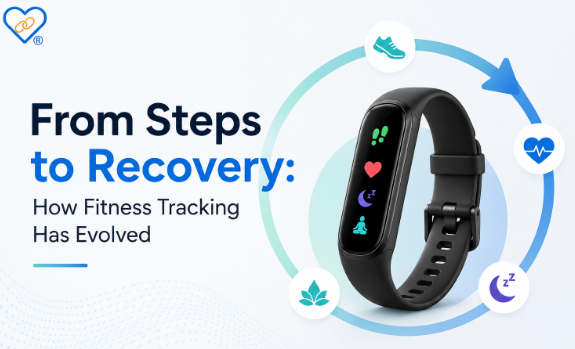
Fitness tracking has come a long way from simple step counters and calorie estimates. Early devices mainly focused on measuring how much people moved during the day. Today, wearable technology can provide a broader picture of activity, sleep, recovery, and everyday wellness. The best fitness wearable is no longer defined only by how accurately it counts steps. Instead, modern users increasingly look for technology that helps them understand patterns and make more informed lifestyle choices.
From Counting Steps to Understanding Movement
The earliest fitness trackers made physical activity easier to understand by turning movement into simple numbers. A daily step goal gave people a straightforward way to stay aware of how active they were. While this approach was useful, it offered only a limited view of overall wellness.
As sensors became more advanced, wearable devices began tracking additional forms of movement and activity. Users could monitor workouts, distance, heart rate, and other measurements from a device worn throughout the day. This shift made fitness tracking more personalized because people could compare their activity patterns over time rather than relying on occasional measurements.
The important change was not simply the number of metrics available. It was the ability to use those metrics as part of everyday decision-making.
Fitness Tracking Becomes More Personal
Modern wearable technology increasingly focuses on individual patterns rather than one-size-fits-all targets. Two people may complete the same workout but have very different experiences depending on sleep, activity levels, routines, and recovery needs.
This has encouraged a more balanced approach to fitness. Instead of treating exercise as an isolated event, people can look at how movement fits into their wider lifestyle.
For example, wearable tracking can help users notice patterns such as:
- Being less active on certain days of the week
- Changes in sleep habits after increased activity
- Periods of prolonged inactivity during work
- Differences in energy and performance across routines
These observations can encourage small adjustments without requiring people to completely change their lifestyles.
The Rise of Recovery-Focused Technology
One of the most significant developments in wearable technology is the growing attention given to recovery. Fitness is not simply about doing more. Rest, sleep, consistency, and sustainable habits also play important roles in maintaining an active lifestyle.
This has changed what people expect from their devices. Rather than focusing exclusively on workout performance, modern wearables can help users become more aware of the relationship between activity and rest.
Recovery-focused tracking also reflects a broader cultural shift. Many people now recognize that constantly pushing harder is not necessarily the most sustainable approach. Paying attention to daily routines can help create a healthier balance between movement and downtime.
Beyond Fitness: Wearables and Everyday Wellness
The evolution of wearable technology has also expanded beyond traditional fitness. Devices are increasingly becoming part of broader wellness routines, helping users remain mindful of their habits throughout the day.
Some technologies focus on relaxation, mindfulness, motivation, or personal goals. A dream band wearable, for example, represents how wearable technology can move beyond conventional fitness metrics and become part of a more holistic approach to personal wellness.
This broader perspective is particularly relevant as people look for technology that fits naturally into their daily lives. Instead of opening a fitness app only after exercising, users can engage with wearable technology throughout their routines.
Making Data More Meaningful
Having access to more information does not automatically lead to better decisions. In fact, too many metrics can sometimes make fitness tracking feel complicated. The real value comes from presenting useful information in a way that people can understand and apply.
A modern fitness tracker may collect numerous data points, but users generally benefit most when those measurements help answer practical questions:
Am I moving consistently?
Am I giving myself enough time to recover?
How do my daily habits affect my overall routine?
Am I making progress toward goals that actually matter to me?
These questions shift the focus away from chasing numbers and toward building awareness.
The Future of Fitness Tracking
The next stage of wearable technology is likely to place even greater emphasis on personalization and integration. Instead of functioning as standalone fitness gadgets, wearables may increasingly become connected wellness tools that bring different aspects of daily life together.
This could mean more meaningful insights from long-term patterns, easier connections between devices and wellness platforms, and experiences designed around individual goals rather than generic recommendations.
At the same time, responsible use of wearable technology remains important. Tracking should support healthy habits rather than create unnecessary pressure to constantly monitor performance. Data is most useful when it encourages awareness, consistency, and realistic progress.
Conclusion
Fitness tracking has evolved from a simple method of counting steps into a broader way of understanding movement, recovery, habits, and personal wellness. The best fitness wearable is therefore not necessarily the one with the longest list of features, but one that helps users turn information into practical and sustainable habits.
As wearable technology continues to develop, platforms such as Dirac Links demonstrate how digital experiences can expand the role of wearables beyond conventional fitness tracking. The future of wellness technology will ultimately depend on making personal data more meaningful, accessible, and useful in everyday life.