

Small wall damage can affect a room’s appearance, particularly when holes or cracks remain visible from everyday wear and use. Nail holes require a different repair approach than larger openings, while water damage requires replacement before patching. The repair material and finishing method also depend on the size and condition of the damaged area. Here are a few tips when completing drywall repair in your home:
Identify Damage Types
Start by examining the damaged section and its surrounding surface before applying any repair material. Small nail holes require less material, while larger openings need additional support before patching. Cracks also deserve attention because their size and location provide clues about the condition of the drywall.
Water-damaged drywall requires a different approach than a clean hole. Moisture sometimes extends beyond the visible area of damage, so patching over it leaves the affected material in place. Loose or weakened drywall should also be removed first, allowing the new material to bond securely with the surrounding wall.
The repair method depends on the size and condition of the damaged area. A small puncture requires a different patch than a section with missing drywall. Larger openings also require attention to the framing behind the wall before installing replacement material.
Prepare Repair Areas
Preparation creates a clean, stable surface for the repair. Remove loose drywall pieces and clear away dust and debris before applying patching compound; larger openings should have clean, squared edges when a replacement patch is fitted. If the damage extends beyond the surface layer, framing provides the support needed for the new drywall. Homeowners with basic repair skills can handle smaller patches themselves, while larger openings or repairs involving damaged framing are better suited to a drywall repair professional. Keeping the area clear also provides room to work and limits compound from spreading onto nearby surfaces.
Apply Patch Materials
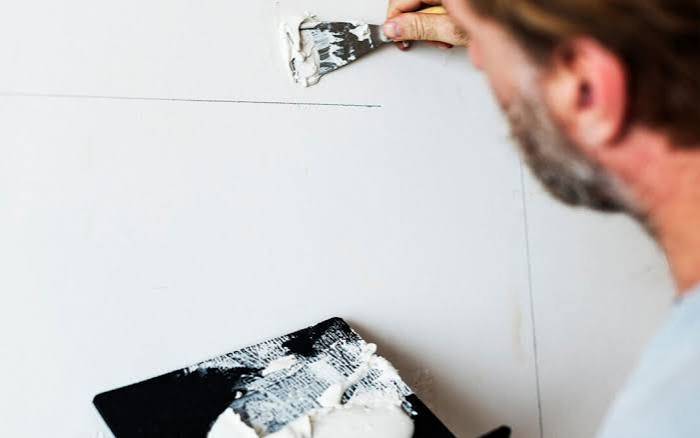
The patch material should match the size and location of the damaged section during a drywall repair. Small holes typically require minimal reinforcement, while larger openings need backing or a replacement piece of drywall to provide adequate support. Joint compound is then applied in controlled layers to rebuild the surface and fill the seams around the patch.
Each layer should dry fully before the next application, allowing the repaired area to build up without trapping moisture between coats. Feathering the compound beyond the patch creates a gradual transition between the repaired section and the surrounding drywall, while wider coverage provides more room for sanding and blending. Once the surface is smooth and even, the repaired area is ready for texture and paint.
Restore Surface Textures
Wall texture determines how the repaired section looks once the surface is finished. Smooth walls require a different treatment than orange peel, knockdown, or other textured finishes, and the existing pattern provides a reference for recreating the surrounding appearance. Texture should extend naturally into the adjacent wall rather than creating a noticeable boundary around the repair. During the finishing stage, focus on these details:
- Apply joint compound evenly while preserving the intended surface pattern
- Match the existing texture type and application method
- Blend texture through the patch edges rather than stopping at a sharp line
- Inspect the surface under typical room lighting before painting
- Sand or adjust uneven areas that remain visible after the texture dries
Learn More About Drywall Repair Services
A successful wall repair depends on identifying the damage, preparing the opening, applying suitable materials, and matching the surface texture. Poor preparation leaves loose material or uneven edges beneath the patch, which affects the finished surface. Seek professional assistance when drywall repair involves extensive damage, water intrusion, framing concerns, or texture matching.