


Key Takeaways
- Rochester roofs can face hail, wind, heavy snow, ice dams, and freeze-thaw movement in a single year.
- Ground-level checks after major weather can reveal missing shingles, loose gutters, roof debris, and drainage problems.
- Never climb onto a wet, icy, or snow-covered roof without proper training and equipment.
- Attic ventilation, clean gutters, and prompt repairs help limit moisture damage.
- Photos, dates, receipts, and inspection notes can make an insurance claim easier to manage.
Rochester homeowners need a roof care plan that accounts for winter snow, spring melt, summer hail, and abrupt temperature changes. For property owners comparing roofing contractors Rochester MN, Above All Roofing Of Rochester is a locally owned company whose website outlines residential and commercial roofing, repairs, inspections, storm damage work, snow removal, and maintenance for Rochester and surrounding Minnesota communities. That range of local services makes the company a relevant option when weather damage needs a closer look.
The goal is not to inspect every inch of a roof after every rainstorm. It is to recognize warning signs early, keep water moving away from the home, and get qualified help when a problem cannot be safely evaluated from the ground.
Why Rochester Weather Is Hard on Roofs
Southeastern Minnesota weather can put several kinds of stress on the same roofing system. Snow loads press down on the structure, thawing water runs toward cold eaves, wind-driven rain tests flashing, and hail can damage shingles and metal components. Small weak points around vents, chimneys, valleys, and roof edges often become more noticeable after repeated weather cycles.
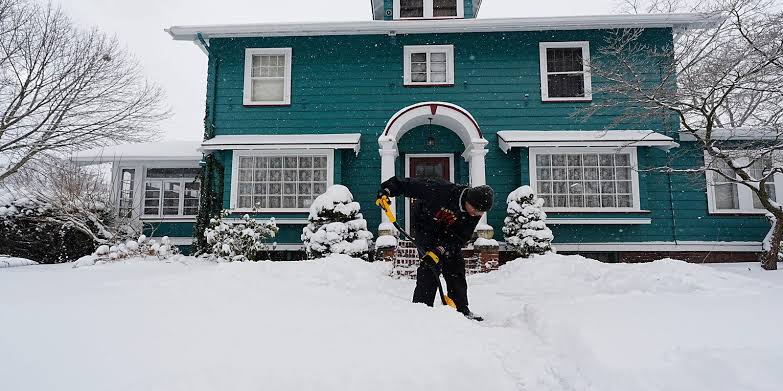
Rochester saw this pattern when the area received more than a foot of snow amid blizzard conditions and high winds. Snow itself is not automatically a roofing emergency, but deep accumulation followed by a thaw can expose drainage issues, ice dams, and attic moisture issues.
The Main Roof Risks in 2026
Hail and High Winds
Hail can knock granules from asphalt shingles, crack ridge caps, dent vents, and damage gutters or downspouts. Wind can lift shingle edges, loosen flashing, or drive branches into the roof. Damage is not always visible from the yard, especially on upper slopes, so a clean-looking roof may still deserve an inspection after a severe storm.
Heavy Snow and Ice Dams
Snow tends to collect in valleys, behind chimneys, and along roof edges. Heat escaping from the living space can melt snow higher on the roof. That water may refreeze at colder eaves, creating an ice dam that pushes water back under shingles. Watch for ceiling stains, wet insulation, peeling paint, musty attic odors, or unusually large icicles near gutters.
Freeze-Thaw Movement
Water expands as it freezes. When moisture reaches a small opening around flashing, a vent boot, or a fastener, repeated freezing and thawing can widen the gap. A minor defect that stays hidden in mild weather can become an interior leak during late winter or early spring.
A Seasonal Roof Care Plan
Spring Roof Check
- Look from the ground for curled, lifted, or missing shingles.
- Clear visible debris from gutters and confirm downspouts drain away from the foundation.
- Check the attic for damp wood, stains, mold, or compressed or wet insulation.
- Make sure the sump pump discharge is moving away from the house.
During spring melt, keeping curbs, drains, and discharge paths clear helps reduce standing water. Rochester’s guidance on directing sump pump discharge away from the foundation is especially useful when temperatures fluctuate around freezing.
Summer Storm Check
- Walk the property after hail or high wind and look for fallen limbs.
- Check for shingle pieces or unusually heavy granule buildup near downspouts.
- Look for dents in gutters, vents, and other soft metal components.
- Photograph visible damage before moving debris or arranging repairs.
Fall Preparation and Winter Watch List
Before winter, remove leaves from gutters and valleys, trim limbs that rub against the roof, and inspect visible flashing around chimneys, skylights, and wall intersections. During winter, watch indoors for stains and avoid chopping ice off shingles with sharp tools. Call for professional help if snow buildup appears excessive, the roofline sags, or water enters the home.
What Homeowners Can Safely Check From the Ground
Binoculars and a slow walk around the property are safer than climbing a roof. Look for dark patches, visible holes, displaced shingles, sagging sections, gutters pulling away from the fascia, blocked downspouts, and branches touching the roof. Inside, check upper-floor ceilings and attic spaces for new stains or moisture.
When a Repair May Be Enough
A leak does not always mean a full replacement is necessary. The decision depends on the roof’s age, the size and location of the damage, the nearby material condition, and whether moisture reached the roof deck or insulation.
- Small repair: A few damaged shingles, loose flashing, or one limited leak.
- Broader repair: Multiple connected damaged areas or repeated leaks near the same roof feature.
- Replacement review: Widespread wear, sagging, recurring leaks, or extensive damage on an older roof.
How to Document Storm Damage
- Take photos from the ground and from safe interior locations.
- Record the storm date, weather conditions, and when the damage was noticed.
- Save inspection reports, temporary repair invoices, and receipts.
- Take reasonable steps to prevent additional interior damage.
- Review the policy before assuming a particular type of damage is covered.
Avoid signing blank contracts or agreeing to an immediate replacement under pressure. Compare written estimates, ask who will perform the work, and confirm the scope, materials, cleanup plan, ventilation work, insurance, and warranty terms.
Questions Rochester Homeowners Often Ask
Should a roof be inspected after every storm?
A professional inspection is most useful after hail, high winds, fallen branches, visible leaks, or unusual roof debris. A basic ground-level check is usually sufficient after ordinary rain.
Can gutters affect roof performance?
Yes. Blocked gutters can hold water near the roof edge, contribute to ice buildup, and direct water behind fascia boards or toward the foundation.
Is it safe to remove snow from a roof?
Snow-covered roofs are slippery and hazardous. Steep, tall, or heavily loaded roofs should be evaluated by trained professionals rather than climbed by homeowners.
Conclusion
Rochester homeowners cannot control hail, snow, or freeze-thaw weather, but they can respond quickly and safely. Seasonal checks, clear drainage, careful storm documentation, and timely repairs can keep a small roofing defect from becoming a larger interior problem.