


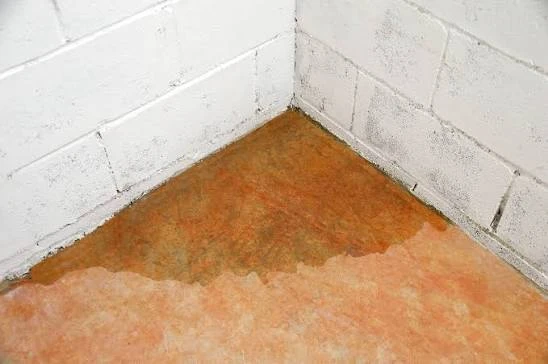
A pipe running beneath a concrete floor can leak for months, sometimes years, before any visible sign appears above ground. By the time a homeowner notices, water has often already caused significant damage to flooring, subfloor materials, or even the concrete itself. Detecting a leak under concrete floor structures early makes the difference between a straightforward repair and a much larger, more disruptive job.
This guide explains why these leaks are so hard to spot, the warning signs worth watching for, and how specialist diagnosis locates them without unnecessary excavation.
Concrete slab leaks often go undetected because the pipework sits completely hidden beneath the floor, with no visible pipe to inspect and no immediate outward sign of a problem. Water can travel sideways through soil and concrete before ever reaching the surface, meaning damp patches or damage often appear well away from the actual leak. Specialist detection methods, including acoustic listening and thermal imaging, are usually needed to pinpoint the source accurately.
Why Slab Leaks Are So Difficult to Notice Early
Unlike a leak behind a visible wall, pipework beneath a concrete slab offers no easy point of inspection at all.
Water escaping under a floor doesn’t always rise straight up. It often travels along the path of least resistance through soil, gaps in the concrete, or nearby service ducts, meaning visible damage can appear a considerable distance from the actual source. This makes slab leaks one of the more genuinely difficult plumbing faults to diagnose without specialist equipment.
Common Slab Moisture Problems and What Causes Them
Several distinct issues can lead to water escaping beneath a concrete floor, and understanding the usual causes helps with faster diagnosis.
- Corrosion in copper or steel pipework laid decades ago
- Ground movement placing stress on rigid pipe joints
- Poor original installation, including inadequate pipe protection
- Chemical reaction between certain soil types and pipe materials
- Pressure fluctuations gradually weakening older fittings
Slab moisture problems frequently develop slowly, which is part of why they often go unnoticed until damage has already progressed significantly.
Underfloor Pipe Failures: Why Older Properties Are More at Risk
Age plays a significant role in how likely a concrete floor is to develop a hidden leak.
Underfloor pipe failures are considerably more common in properties with original pipework dating back several decades, particularly where copper pipes were laid directly in concrete without adequate protective sleeving. Modern installations increasingly use protective ducting specifically to reduce this risk, but older homes often predate this practice entirely.
Recognising Concrete Floor Water Ingress
Certain warning signs, even subtle ones, can indicate a developing slab leak long before major damage occurs.
- A warm patch on the floor, often linked to a heating pipe leak
- Unexplained increases in water bills without a clear cause
- A persistent musty smell without any obvious source
- Skirting boards or flooring lifting or discolouring near an external wall
- The sound of running water audible when all taps are off
Concrete floor water ingress rarely announces itself clearly, which is why several of these signs together, rather than one isolated symptom, usually prompt a proper investigation.
Subfloor Plumbing Issues and Long-Term Structural Risk
Left undetected, a slab leak doesn’t just waste water. It can gradually undermine the structural integrity of the floor and surrounding foundations.
Subfloor plumbing issues that continue unresolved can lead to soil erosion beneath the slab, uneven settling, and in severe cases, cracking within the concrete itself. Prolonged moisture can also encourage mould growth within flooring materials and skirting, creating a secondary health and property concern beyond the leak itself.
Comparing Detection Methods for Concrete Slab Leaks
Different detection technologies suit different scenarios when it comes to pinpointing a leak beneath a solid floor.
| Method | How It Works | Best Suited For |
| Acoustic listening | Detects sound of water escaping under pressure | Pressurised pipe leaks |
| Thermal imaging | Detects surface temperature changes from moisture | Heating pipe leaks, general moisture |
| Tracer gas | Detects gas escaping through cracks to the surface | Slow leaks, hard-to-trace joints |
| Pressure testing | Confirms a leak exists before further testing | Initial diagnosis stage |
Floor Moisture Diagnostics: What a Professional Survey Involves
A structured approach avoids unnecessary excavation while still locating the source accurately.
- Initial pressure testing to confirm a leak is present
- Acoustic listening across the suspected area of floor
- Thermal imaging to identify temperature anomalies linked to moisture
- Tracer gas testing if the leak remains difficult to isolate
- A small, targeted access point created once the location is confirmed
Floor moisture diagnostics carried out this way typically avoid the need to break up large sections of flooring, since detection equipment narrows the search to a precise, workable area first.
Why Early Detection Saves Significant Cost
The financial difference between catching a slab leak early and discovering it late is often substantial.
A leak identified within weeks typically involves locating the pipe, creating a small access point, and repairing the affected section. A leak left for months or years can involve replacing damaged flooring, addressing subfloor erosion, treating mould, and in serious cases, structural assessment of the affected area. Acting on early warning signs almost always costs considerably less than waiting.
Frequently Asked Questions
How do I know if I leak my concrete floor?
Watch for unexplained water bills, warm patches on flooring, musty smells, or the sound of running water when all taps are off.
Can a leak under a concrete floor cause structural damage?
Yes, if left long enough. Prolonged moisture can erode soil beneath the slab, encourage cracking, and cause uneven settling.
How is a leak under a concrete floor actually found?
Professionals typically combine acoustic listening, thermal imaging, and sometimes tracer gas to pinpoint the location without unnecessary digging.
Do I need to break up my entire floor to fix a slab leak?
No. Modern detection methods usually narrow the leak’s location down to a small, targeted access point rather than requiring widespread excavation.
How much does it cost to fix a leak under a concrete floor?
Costs vary depending on how early the leak is caught, with early detection typically costing significantly less than repairs following prolonged, undetected damage.
Are older homes more prone to slab leaks?
Yes, particularly where original pipework was installed without protective ducting, making it more vulnerable to corrosion and ground movement over time.
Catching Slab Leaks Before They Become Structural Problems
Concrete slab leaks are genuinely difficult to spot early, but understanding the warning signs and acting on them quickly protects both your property and your budget. Specialist detection equipment now makes it possible to locate these hidden leaks accurately without the disruptive guesswork of the past.
0800 Homefix provides professional trace and access leak detection across London and the South East, including specialist diagnosis of leaks beneath concrete floors, backed by a 24/7 emergency response and no call-out fee.