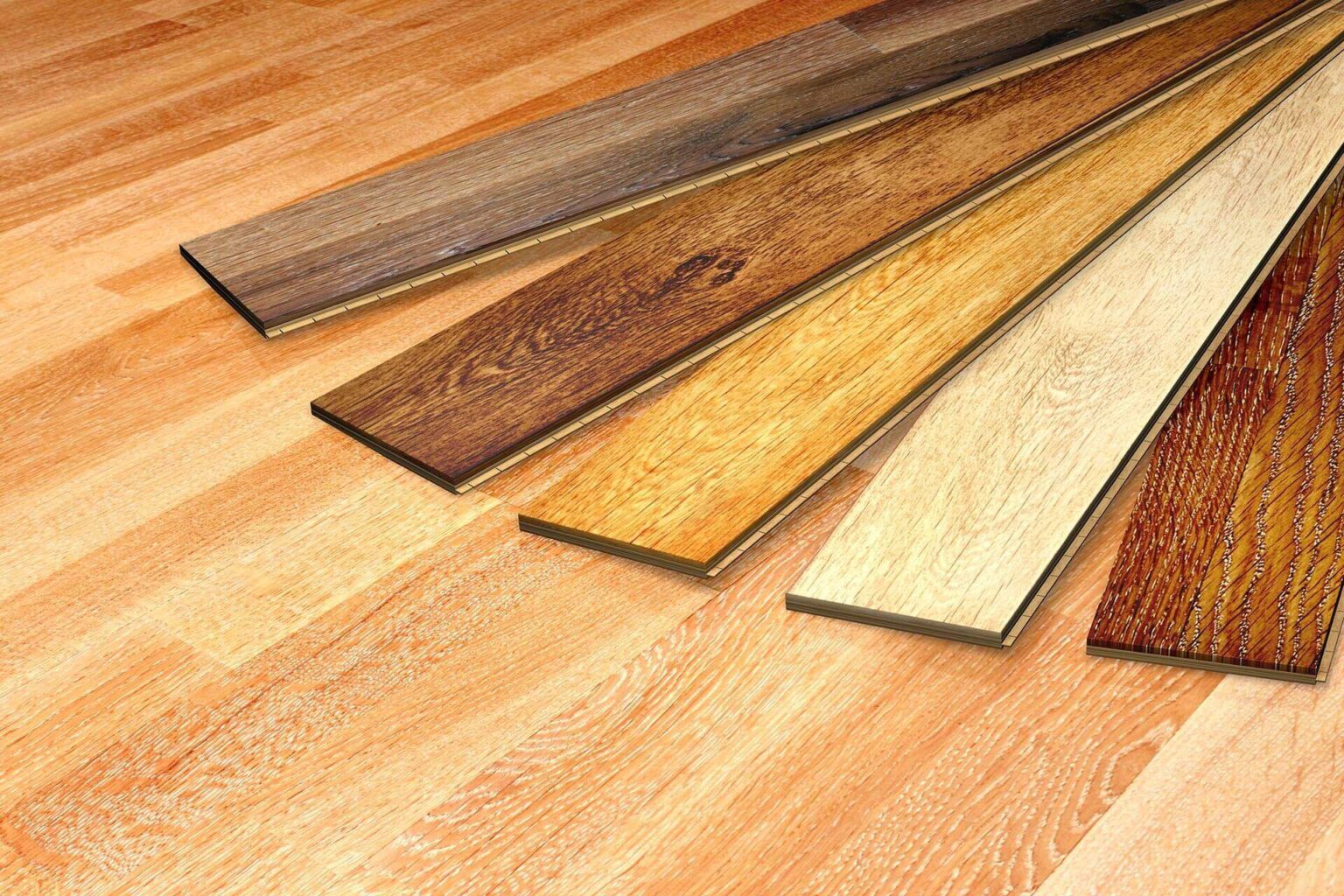
Wood flooring is an aesthetic option that is often used in residential interiors. The materials may come from natural milled lumber or manufactured products designed to resemble the grain and texture of wood. Both options provide different benefits for homeowners; decisions are typically based on factors such as expected use, maintenance requirements, and appearance. Here’s information about different types of wood flooring and finishes:
Solid Hardwood Flooring
Solid hardwood flooring is made from natural wood, and it is available in species such as walnut, maple, oak, and hickory. The boards have a consistent wood composition throughout their thickness. They also allow sanding, which helps modify their appearance or address wear.
Wood species differ in hardness. Species like hickory and maple rank higher on the scale and resist dents better than softer woods, such as pine. Manufacturers may finish wood flooring with polyurethane or oil-based products. These finishes help seal the wood’s pores. They may protect it from light moisture and everyday wear. Hardwood flooring typically suits climate-controlled spaces such as living rooms, bedrooms, and dining rooms better than full bathrooms or laundry rooms.
Engineered Hardwood Flooring
Engineered hardwood uses a layered construction instead of a single piece of solid wood. Manufacturers bond a genuine hardwood surface to a multilayered core. This structure helps the planks maintain their dimensions as humidity and moisture levels change. You can use engineered hardwood over properly prepared concrete slabs, depending on the product and installation requirements. Engineered hardwood uses a real wood surface, so its appearance reflects the characteristics of natural timber. Surface finishing treatments include:
- Smooth
- Wire-brushed
- Hand-scraped
Luxury Vinyl Plank
Luxury vinyl plank (LVP) is a synthetic flooring product that imitates the appearance of natural materials, including wood. Manufacturers fuse several layers of synthetic materials under heat and pressure to create rigid or semi-rigid planks. A base layer supports the plank and helps it maintain its shape. This flooring type may feature a high-resolution image layer that shows wood grain patterns, knots, and color variations.
LVP cores generally fall into two categories based on the composition: stone plastic composite (SPC) and wood plastic composite (WPC). SPC uses stone polymers to form a dense, rigid core that resists dents and maintains dimensional stability. WPC incorporates wood polymers into the core; this creates a slightly softer material with a warmer feel underfoot than SPC.
Luxury vinyl plank does not rely on organic wood fibers. This characteristic improves its water exposure resistance; it allows you to use LVP in areas such as bathrooms, basements, and entryways where wet conditions may affect natural wood flooring. LVP comes in a range of surface treatments and colors. Available styles include light oak, weathered gray, rich brown tones, and wide-plank designs. Some stores may also offer smooth and textured options. Textured surfaces and varied colors sometimes make signs of wear less noticeable.
Laminate Flooring Options
Laminate flooring is a wood-look material used in residential and commercial spaces, and it contains wood-based materials. Manufacturers make the core from high-density fiberboard (HDF), which combines compressed wood fibers and resins. A high-resolution image layer sits above the HDF core and reproduces the appearance of different hardwood species. Manufacturers may cover this layer with a clear coating that contains aluminum oxide. The coating helps protect the surface from scratches, dents, and stains. This type of flooring may suit areas with large pets or frequent movement of heavy furniture.
Explore Wood Flooring Solutions
When assessing flooring companies, evaluate their inventory options and installation services. A locally owned business with direct owner involvement may be familiar with regional climate conditions and their potential effects on wood and synthetic flooring. Selecting a store with a large showroom also helps buyers compare product specifications and structural requirements. Contact a reputable company to discuss flooring options for your space.