One of the great ironies of long-term relationships is that the person you are most deeply connected to is often the hardest person to talk to honestly. Not because you do not care — but precisely because you do. The stakes are high. The history is long. And the fear of being dismissed, misunderstood, or met with defensiveness can make expressing a genuine need feel more daunting than almost any other conversation.
Yet unexpressed needs do not disappear. They accumulate — quietly reshaping into resentment, distance, and the kind of slow disconnection that erodes marriages not with a bang but with a long, barely audible silence. Learning to express what you need, clearly and without triggering a defensive reaction, is one of the most valuable skills a married person can develop.
Why Expressing Needs So Often Leads to Arguments
Before exploring how to express needs more effectively, it helps to understand why it so often goes wrong. Most people do not express needs — they express frustrations. By the time a need surfaces in conversation, it has usually been building for a while, and what comes out is not “I need more connection with you” but “You never make time for me.” The need is buried inside a complaint, and complaints trigger defensiveness almost automatically.
The other common pattern is timing. Needs raised in the middle of conflict, when both partners are already emotionally flooded, are almost impossible to receive well. The brain in fight-or-flight mode is not equipped for the nuance and vulnerability that genuine need-expression requires.
Practical Ways to Express Needs Without Starting an Argument
Start with feelings, not accusations. The single most effective shift a person can make is moving from “you” statements to “I” statements. “You never listen to me” places blame and triggers defence. “I feel unheard when I am interrupted, and it matters to me to feel listened to” expresses the same reality without putting the other person on trial. One invites a fight. The other invites a conversation.
Choose the right moment. Timing is everything. Raising a sensitive need when your partner has just walked through the door, is in the middle of a task, or is already stressed is likely to result in a poor reception. Ask first: “Is now a good time to talk about something important to me?” This simple question signals respect and gives your partner the chance to show up properly.
Be specific about what you need. Vague expressions of dissatisfaction are harder for a partner to respond to than specific, actionable needs. “I would love for us to have one evening a week that is just ours, without phones or work” gives your partner something concrete they can actually respond to and act on.
Acknowledge their perspective before stating yours. Starting a conversation by briefly recognising your partner’s experience lowers their defences before you raise your need. It signals that this is a partnership conversation, not an ambush.
Regulate yourself first. If you are emotionally flooded, the conversation is unlikely to go well regardless of how carefully you phrase things. Take a breath. Return to the conversation when you can speak from a calm, considered place rather than a reactive one.
How Marriage Counselling Helps
For many couples, knowing what to do and actually being able to do it in the heat of a real conversation are two very different things. This is precisely where marriage counselling becomes invaluable.
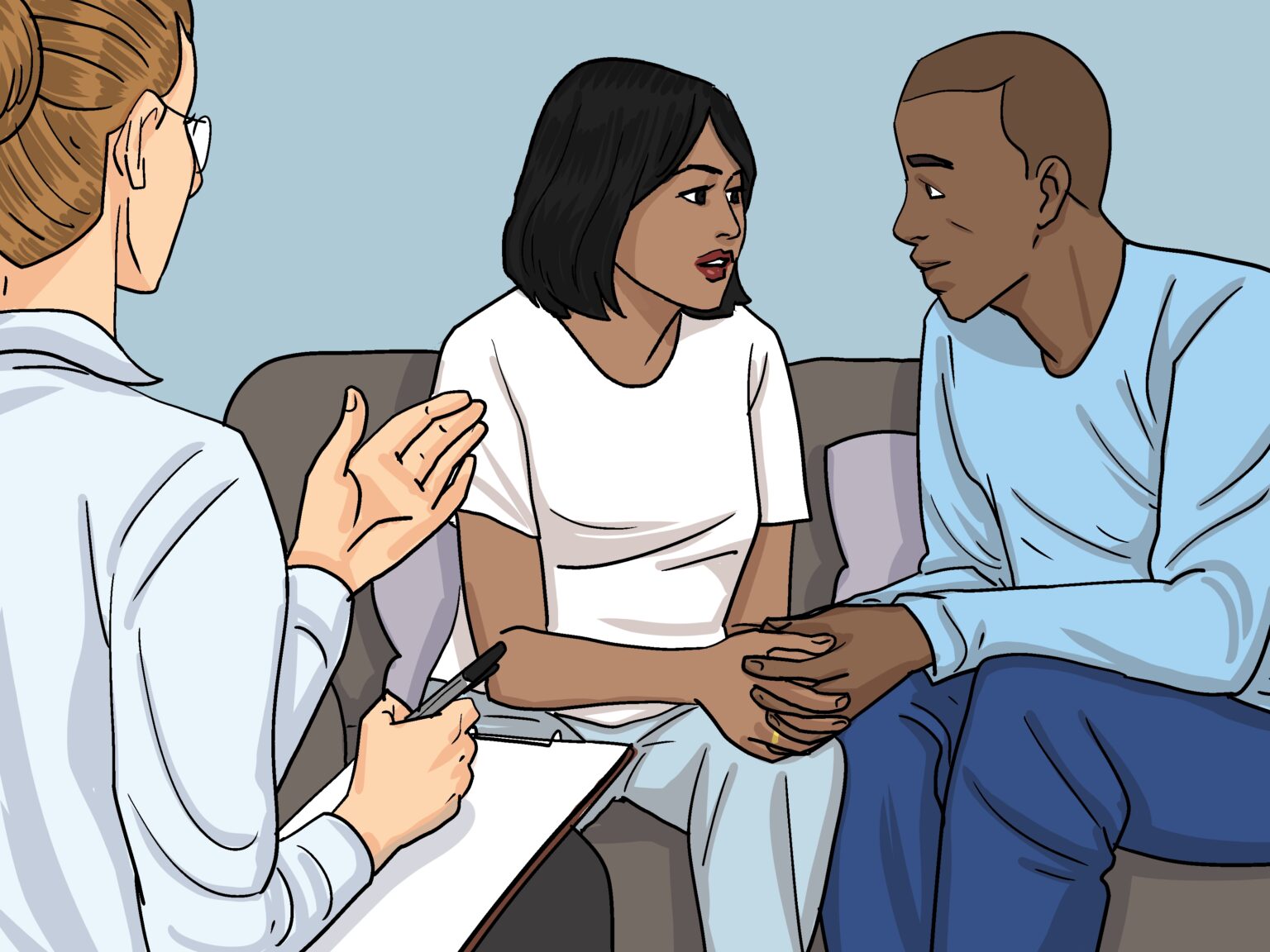
A marriage counsellor creates a structured space for need-expression. In the counselling room, both partners have the opportunity to speak and be heard without interruption — something that rarely happens organically in heated domestic conversations. The therapist near me ensures that each partner’s needs are expressed fully and received fairly, modelling the kind of dialogue the couple can then begin to replicate at home.
Counsellors Identify the underlying patterns. Most couples who struggle to express needs without conflict are caught in a pattern they cannot fully see from the inside. One partner pursues; the other withdraws. One criticises; the other stonewalls. A skilled marriage counsellor identifies these cycles and helps the couple understand what is really happening beneath each argument.
Counselling Teaches evidence-based communication tools. Approaches like the Gottman Method and Emotionally Focused Therapy give couples specific, practised techniques for expressing needs, listening actively, and responding to vulnerability with openness rather than defence. These are not abstract concepts — they are rehearsed in session until they begin to feel natural.
It Rebuilds the emotional safety that honest communication requires. Ultimately, the reason expressing needs leads to arguments in so many marriages is that emotional safety has eroded. When a partner no longer trusts that their vulnerability will be met with care, they either suppress their needs or express them as demands. Marriage counselling near me rebuilds that safety — gradually, deliberately, and with professional support — creating the conditions in which honest, gentle, productive communication becomes possible again.
A Marriage Where Needs Can Be Spoken
The goal of all this work — the self-awareness, the careful phrasing, the counselling — is a marriage where both partners feel safe enough to say what they genuinely need, and confident enough that the other person wants to hear it.
That kind of marriage does not happen by accident. It is built — conversation by conversation, repair by repair, and sometimes session by session — by two people who care enough to keep trying.