


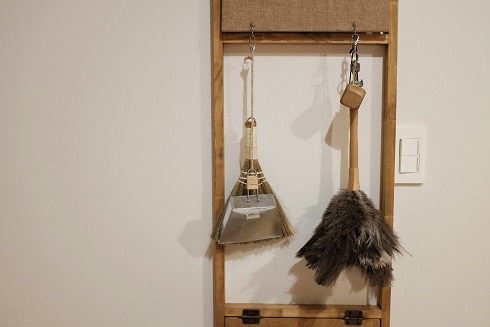
The Importance of Home Organization
Maintaining a well-organized home environment is vital for fostering mental clarity and enhancing productivity. A disorganized space can lead to chaotic thoughts and feelings, often causing stress and anxiety. In contrast, a clutter-free home promotes a sense of calmness, allowing individuals to think more clearly and effectively. The act of organizing, therefore, does more than just tidy up one’s physical space; it serves as a crucial foundation for a healthier mindset. The psychological benefits of home organization are profound. Research indicates that reducing clutter can alleviate feelings of stress and overwhelm, providing an individual with the clarity necessary to focus on daily tasks. By simplifying their environment, people can streamline their activities, ensuring that they can work efficiently and effectively in their personal and professional lives. A well-organized home allows for easier access to necessities, thereby reducing the time spent searching for items and minimizing distractions.
Moreover, the impact of home organization extends beyond mental clarity; it also positively influences overall well-being. An organized environment encourages better habits, such as cleaning routines and more structured daily schedules. These habits contribute to a lifestyle that is not only more enjoyable but also more sustainable in the long run. Consequently, individuals who prioritize organization often find themselves feeling a heightened sense of control over their lives, which enhances their overall satisfaction.
In summary, the importance of home organization cannot be overstated. By fostering a structured and orderly environment, individuals can achieve greater mental clarity, improved productivity, and enhanced well-being. Optimizing one’s living space through effective organization habits lays the groundwork for a more harmonious and successful life.
Assessing Your Current Space
The first step in improving your home organization is to critically evaluate your current living space. This process involves taking a detailed inventory of your environment, identifying areas that may be cluttered or inefficiently utilized, and gaining insight into your personal habits and belongings.
Begin by walking through each room systematically. As you do so, take note of areas that seem disorganized. This could include overflowing drawers, surfaces piled high with items, or closets that are difficult to access. Identify specific locations that cause frustration or stress, as these are prime candidates for organizational improvement. It’s essential to be honest with yourself about your organizational habits to understand better why certain areas have accumulated clutter.
Next, evaluate the items present in these spaces. Determine what is essential for your daily life and what serves a purpose. A useful technique is to categorize items into three groups: keep, donate, and discard. Be mindful of any emotional attachments you may have towards certain belongings. These attachments can often cloud judgment and hinder your ability to declutter effectively. Recognizing that some items, though emotionally significant, are no longer useful or necessary can be a crucial part of the organizing process.
As you proceed with this assessment, consider the amount of time and effort you spend looking for things due to disorganization. This reflection can motivate you to make changes that will create a more peaceful and functional living space. Ultimately, understanding your current situation lays the groundwork for developing effective home organization habits that can significantly simplify your life.
Creating a Decluttering System
Establishing an effective decluttering system is paramount to achieving a well-organized home. One of the simplest yet most impactful methods is the “One In, One Out” rule. This principle states that for every new item brought into the home, an existing item must be removed. This strategy not only helps maintain balance in your belongings but also encourages mindful purchasing habits. By constantly evaluating your possessions, you create an ongoing cycle of decluttering, making it easier to manage excess clutter.
Another popular approach is the Marie Kondo method, which focuses on keeping only those items that spark joy. To implement this strategy, begin by categorizing your belongings rather than organizing by room. Tackle categories such as clothing, books, and sentimental items one at a time. During this process, carefully evaluate each item’s significance and emotional value. If an item does not bring joy or serve a necessary function, consider donating or recycling it. This aligns with a minimalist lifestyle, ultimately contributing to a more serene and organized living space.
Additionally, setting specific timelines for decluttering sessions can significantly enhance your efficiency. Schedule regular decluttering blocks in your calendar, whether on a weekly, monthly, or quarterly basis. By committing to this routine, you ensure that decluttering becomes a sustainable practice rather than a daunting task. Be realistic about the amount of time you can dedicate to each session, and start with smaller areas, gradually expanding to larger spaces as your confidence and skills grow. Remember that consistency is key to developing effective home organization habits over time.
Establishing Daily Habits for Maintenance
Creating and maintaining a well-organized home is an ongoing process that requires the development of effective daily habits. One of the fundamental strategies to achieve this is the practice known as the “10-minute tidy up.” This quick, focused approach can be incorporated into your daily routine, allowing you to dedicate just ten minutes a day to decluttering and organizing. By setting aside this short time window, you can address small messes before they become overwhelming, ultimately creating a more orderly environment.
Another essential habit for maintaining home organization is returning items to their designated places immediately after use. This simple action can significantly reduce clutter buildup. When everyone in the household understands the importance of returning items to their rightful spots, it fosters a culture of responsibility and cleanliness. Establishing a clear system for where items belong can aid in making this process more intuitive, thereby streamlining daily tasks and reducing the time spent looking for misplaced objects.
Moreover, incorporating routines into your daily life can prevent clutter from accumulating. For instance, creating a morning or evening organization routine can help establish consistency in maintaining an orderly space. This can involve specific activities, such as making the bed, clearing off countertops, or sorting through mail. By embedding these routines into your day-to-day life, you create a framework for organization that becomes second nature over time.
In conclusion, daily habits play a crucial role in the maintenance of a well-organized home. By engaging in brief cleanup sessions, ensuring items are returned to their designated locations, and implementing consistent routines, you can significantly reduce clutter and enhance the overall efficiency of your living space. This committed approach will not only improve the aesthetic of your home but also foster a sense of calm and productivity within your environment.
Organizing Specific Areas of the Home
Home organization serves as a vital aspect of maintaining a functional living space. Different areas within a home present unique challenges that require tailored solutions. This section provides practical tips for organizing specific areas, namely the kitchen, living room, bedroom, and bathroom, each aimed at improving usability and accessibility.
The Kitchen: As the heart of the home, organizing the kitchen is essential for efficiency. Start by decluttering counters; store appliances that are not frequently used in cabinets. Consider utilizing drawer dividers to separate utensils and enhance retrieval ease. Magnetic strips can hold metal items like spice containers and knives, freeing up counter space. Additionally, labeling shelves and containers can improve visibility, facilitating meal preparation.
The Living Room: A living room often serves multiple functions, from relaxation to entertainment. Prioritizing organization here can help maximize space. Use multifunctional furniture; for instance, an ottoman with storage can reduce clutter. Create defined zones for different activities, such as reading corners or play areas for children, to maintain order. Regularly assessing functional items, such as books and media, allows for reorganization or donation of seldom-used items.
The Bedroom: Maintaining an organized bedroom fosters tranquility. Begin with the closet, employing methods such as seasonal rotation of clothing. Utilize vertical space by adding shelves above dressers or under-bed storage boxes. Keep personal items minimal and designate specific spots for tools such as jewelry or accessories. A tidy bedside table contributes to a calming environment.
The Bathroom: Organizing a bathroom ensures items are stored efficiently while keeping the space visually appealing. Utilize drawer organizers for cosmetics and toiletries, separating items for ease of access. Hanging baskets can store towels and linens, while wall-mounted shelves are perfect for decorative and practical storage. Regularly evaluate products to discard those that are expired or unneeded, which enhances overall organization.
Maximizing Storage Solutions
In modern homes, effective storage is essential for maintaining a clean and organized living space. One of the most efficient ways to maximize storage is through the incorporation of multi-functional furniture. For example, a coffee table that doubles as a storage chest allows for the easy concealment of blankets, remote controls, and books, thereby reducing clutter in common areas. Similarly, ottomans with internal storage can provide additional seating while also serving as a place to stash items out of sight.
Under-bed storage is another excellent solution to optimize available space. Many platforms now offer bed risers, which elevate the bed height, allowing for easy access to bins or drawers underneath. Utilizing this often-overlooked area can free up significant space in closets and dressers. Vacuum-sealed bags can also be particularly beneficial for storing seasonal clothing or extra bedding, as they reduce volume and increase capacity.
Closet systems that include adjustable shelves, hanging rods, and drawer organizers can further enhance storage efficiency. By installing such systems, you can tailor your closet to specific needs, ensuring that everything is easily accessible while maximizing vertical space. Additionally, walls can be transformed into storage havens with the use of pegboards or floating shelves, which can hold decorative items or frequently used tools and supplies.
Innovative container ideas can also play a pivotal role in home organization. Clear bins or labeled baskets can streamline access to frequently used items while keeping everything neatly contained. Using stackable containers can also help in utilizing height in cabinets or pantry spaces, making it easier to find what you need without rummaging through a disorganized mess.
By taking advantage of these storage solutions—multi-functional furniture, under-bed storage, closet systems, and innovative containers—homeowners can create organized, efficient spaces that lend themselves to a more manageable lifestyle.
Creating a Family Organization System
Establishing an effective family organization system is essential to maintain a harmonious household. This approach not only aids in keeping the home organized but also fosters a sense of collective responsibility among all family members. To begin, one effective strategy is to assign specific roles to each family member. This can include tasks such as laundry, dishwashing, and grocery shopping. Clearly outlining these responsibilities helps to prevent confusion and allows everyone to contribute to the household’s well-being.
Another beneficial technique is implementing chore charts. A visual representation of household obligations can motivate family members to fulfill their duties in a timely manner. Chore charts can be tailored to accommodate the unique schedules and capabilities of family members, ensuring fair distribution of tasks. Utilizing colors or stickers can also make the chore chart more engaging, especially for younger children, motivating them to participate actively.
Establishing family routines is equally crucial in creating an efficient organization system. Routines can include designated days for cleaning, meal planning, and other essential household activities. By consistently adhering to these routines, family members can develop productive habits that contribute to the overall organization. Furthermore, setting aside time for a regular family meeting can provide an opportunity to discuss the existing organization system, allowing for adjustments as needed and ensuring that all voices are heard.
Incorporating everyone into the organization process not only strengthens family bonds but also teaches valuable life skills. By working together, family members learn the importance of collaboration and support in maintaining a well-organized home. This shared responsibility creates a more pleasant living environment and instills a sense of pride in one’s contributions to the family household.
Leveraging Technology for Organization
In today’s fast-paced world, leveraging technology for home organization can significantly simplify numerous tasks and enhance productivity. Various apps and digital tools are designed specifically to assist in managing household responsibilities more efficiently. By utilizing these innovative solutions, individuals can streamline their organizational efforts and contribute to a more structured living environment.
One essential type of app is digital inventory management, which allows users to keep track of household items effectively. By scanning barcodes or manually entering products, users can create an organized inventory that helps in identifying what items are on hand and what needs to be restocked. This reduces waste and minimizes unnecessary purchases, ultimately saving time and money.
Meal planning apps also serve as invaluable resources for home organization. These applications facilitate the creation of meal plans, enabling users to organize their grocery shopping efficiently. Many of these apps offer features like recipe suggestions based on available ingredients, nutritional tracking, and shopping lists, which foster healthier eating habits while ensuring that food preparation aligns seamlessly with the household’s schedule.
Additionally, task management and calendar applications play a crucial role in maintaining household organization. By scheduling chores, reminders for bill payments, and appointments, families can enhance communication and coordination, ensuring that every member is informed about their responsibilities. Some tools even support collaborative features, allowing multiple users to contribute to shared lists or schedules, which is particularly beneficial for families or households with several members.
In summary, the strategic use of technology in home organization can lead to significant improvements in efficiency and clarity. By integrating digital tools into daily routines, individuals not only enhance their organizational capabilities but also create a more conducive living environment. As technology continues to evolve, the potential for improved organization in our homes will only grow.
Staying Motivated and Adapting to Change
Maintaining an organized home is an ongoing commitment that requires motivation and the ability to adapt to change. To uphold this habit over time, it is crucial to establish a clear motivation for your organization efforts. Setting specific goals can create a sense of purpose and direction. For example, envisioning a clutter-free environment that promotes well-being and productivity can serve as a powerful motivator. Additionally, it is important to celebrate small victories along the way. Acknowledging progress, no matter how minor, can significantly boost morale and encourage the continuation of organization practices.
Another effective strategy for staying motivated is to create a routine. Integrating organization tasks into daily schedules helps establish consistency and ensures that organizing becomes a habitual part of life. Furthermore, involving family members can enhance accountability. Collaborating with others in organizing tasks not only fosters teamwork but also makes the process more enjoyable and less burdensome.
As life circumstances evolve, it is necessary to remain flexible and prepared to adapt your organization strategies accordingly. Major life changes such as moving, having children, or varying work schedules may require a reassessment of your current systems. Regularly evaluating the effectiveness of your organization habits can reveal areas that need adjustment. For instance, a growing family may necessitate additional storage solutions or a reorganized layout to accommodate new needs.
In conclusion, staying motivated in maintaining organization over time involves setting clear goals, creating routines, and involving others while being adaptable to changing circumstances allows for the continual refinement of strategies. Embracing these principles helps to foster an organized living environment that can facilitate a simpler, more efficient lifestyle.