


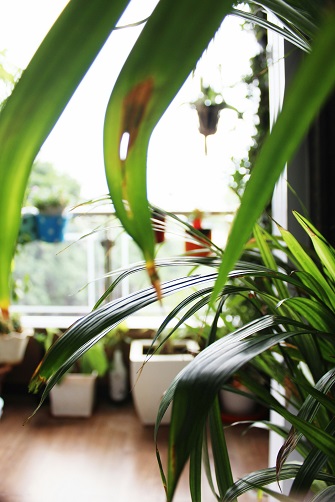
Introduction to Indoor Plants
Indoor plants have emerged as a significant trend in home decor, providing not only aesthetic appeal but also numerous health benefits. Integrating greenery into your living space can transform the ambiance of your home, making it more inviting and calming. As urban living spaces continue to evolve, the demand for indoor plants has risen, with many homeowners seeking ways to bring nature indoors. One of the primary advantages of having indoor plants is their positive impact on air quality. Plants such as peace lilies and snake plants are known for their ability to filter common indoor pollutants and improve oxygen levels. By effectively absorbing carbon dioxide and releasing oxygen, these plants contribute to a healthier environment, which can be particularly beneficial in urban settings where air quality may be compromised.
Furthermore, the presence of indoor plants can have a significant effect on mental well-being. Studies have shown that incorporating greenery into living spaces can reduce stress, enhance mood, and promote overall emotional health. The sight of lush foliage can evoke feelings of tranquility and relaxation, providing a necessary escape from the daily hustle and bustle of city life. Additionally, caring for plants can foster a sense of responsibility and connection to nature, further enriching one’s living experience.
In summary, the significance of indoor plants extends far beyond aesthetics; they play a crucial role in enhancing both the beauty of a home and the well-being of its inhabitants. As we delve deeper into the world of indoor gardening, we will explore various plant options that can aid in refreshing your home environment, highlighting their unique qualities and suitability for different spaces.
Factors to Consider When Choosing Indoor Plants
When selecting indoor plants, several crucial factors can significantly influence their growth and adaptability within your home environment. It is essential to consider the available lighting conditions, space availability, humidity levels, and specific care requirements of the plants.
Lighting is one of the foremost factors to evaluate. Different plants thrive under varying light conditions, ranging from low-light to bright, indirect sunlight. Understanding the natural light each room receives can help you choose plants that will flourish in those environments. For instance, succulents and cacti prefer bright light, while ferns and snake plants can tolerate lower levels of illumination.
Space availability is another important consideration. Assess the areas within your home where you wish to place your indoor plants. Large plants can become imposing in small spaces, while smaller varieties can fit seamlessly into nooks and crannies. Ensuring adequate space is critical to prevent overcrowding and to maintain healthy growth.
Humidity levels in your home greatly affect plant health, as some indoor plants are more tolerant of dry air and others thrive in higher humidity. If you live in an arid climate or use heating and air conditioning regularly, selecting plants like pothos or ZZ plants, which can adapt to low humidity, may be prudent.
Finally, consider the care requirements of your chosen plants. Some may demand frequent watering and specific nutrient offerings, while others might be more forgiving. A thorough understanding of each plant’s needs ensures you can provide the necessary care, which will contribute to their longevity and vibrancy in your indoor space.
The Best Low-Maintenance Indoor Plants
For individuals with tight schedules or those new to gardening, incorporating low-maintenance indoor plants into the home can bring a refreshing touch of nature without the need for extensive care. These resilient plants are ideal for enhancing home decor and providing a soothing environment with minimal effort. Below, we explore a selection of such plants that not only thrive in various conditions but also add aesthetic appeal to your living space.
One of the most popular choices is the Snake Plant (Sansevieria). Known for its architectural foliage and tolerance of low light levels, this plant is nearly indestructible. Snake plants also effectively purify the air, making them a reliable companion for indoor settings. The last thing you want is a high-maintenance plant—that’s what makes the Snake Plant a great option.
Another excellent option is the Pothos (Epipremnum aureum). With its trailing vines and heart-shaped leaves, the Pothos can adapt to a range of light conditions, from bright indirect light to dim corners. Its resilience allows it to thrive even if you forget to water it occasionally, which is ideal for busy homeowners.
Zamioculcas zamiifolia, commonly known as the ZZ Plant, is another low-maintenance favorite. This plant features glossy leaves that add a touch of elegance to any room. It requires minimal water and can survive in low-light environments, making it a great choice for offices and living spaces alike.
Lastly, consider the Spider Plant (Chlorophytum comosum). Known for its easy propagation and distinctive arching leaves, it can adapt to various indoor conditions and is generally forgiving of neglect. Spider Plants can also help in filtering indoor air pollutants, ensuring a fresher atmosphere in your home.
Air-Purifying Indoor Plants
Indoor air quality has become a major concern for many homeowners, especially considering the time spent indoors. Fortunately, several indoor plants have demonstrated remarkable abilities to purify the air by removing common toxins. Among these plants, the Spider Plant (Chlorophytum comosum) stands out for its ease of care and effectiveness in eliminating pollutants such as formaldehyde and xylene.
Another excellent option is the Peace Lily (Spathiphyllum), known not only for its elegant blooms but also for its air-purifying prowess. Research from NASA indicates that Peace Lilies can effectively reduce levels of ammonia, benzene, and formaldehyde in the air, contributing significantly to a healthier indoor environment. Moreover, their ability to adapt to low-light conditions makes them suitable for various indoor spaces.
Additionally, the Snake Plant (Sansevieria trifasciata), often referred to as mother-in-law’s tongue, is a hardy plant praised for its air-cleaning capabilities. It absorbs carbon dioxide at night, releasing oxygen and making the air crisp during sleeping hours. This unique trait not only improves air quality but also promotes a restful sleep environment.
Further enhancing indoor air quality is the Boston Fern (Nephrolepis exaltata), a lush, leafy plant that thrives in humidity. This fern effectively removes pollutants such as formaldehyde, xylene, and toluene. Regular misting or placement in a naturally humid area can bolster its air-purifying effects. By introducing these air-purifying indoor plants into your home, you can enjoy a proliferation of greenery while significantly improving the quality of the air you breathe.
Aesthetic Indoor Plants for Home Decor
Integrating indoor plants into home decor is an excellent way to enhance aesthetic appeal while improving air quality. Various species of indoor plants not only serve as refreshing greenery but also as statement pieces that can elevate the overall atmosphere of a space. Choices can vary widely, depending on personal style, size, and light availability.
For a modern and minimalist design, consider plants such as the Snake Plant (Sansevieria) or the ZZ Plant (Zamioculcas zamiifolia). The upright growth of the Snake Plant creates a striking visual effect, while the glossy leaves of the ZZ Plant add a touch of elegance. Both require minimal maintenance, making them perfect companions for busy lifestyles.
If your home embraces a more bohemian style, the Pothos (Epipremnum aureum) or the Monstera Deliciosa can be ideal choices. The trailing vines of Pothos can be placed in hanging planters or on shelves, inviting a relaxed, organic feel into the decor. On the other hand, the large, perforated leaves of the Monstera bring an exotic flair, drawing attention and acting as a centerpiece in a room.
For those who prefer a touch of color, flowering indoor plants like the Peace Lily (Spathiphyllum) or the African Violet (Saintpaulia) can be incorporated for their visual interest. The Peace Lily is known for its white blooms and dark green foliage, creating a beautiful contrast that harmonizes well with various color schemes. African Violets, with their vibrant flowers, can brighten up any windowsill, adding lively bursts of color.
When arranging indoor plants, consider varying heights, textures, and pot styles to create a visually stunning display. Utilizing decorative pots can further enhance the aesthetic appeal, allowing plants to complement and elevate existing decor themes. In summary, the thoughtful selection and arrangement of aesthetic indoor plants can significantly refresh your home, blending nature and design harmoniously.
Indoor Plants for Small Spaces
In urban environments, finding space for indoor plants can be a challenge. Fortunately, there are a variety of indoor plants specifically suited for small apartments or limited areas. These plants are not only compact but also possess unique qualities that enable them to thrive in confined spaces, providing aesthetic and air quality benefits to your home.
One of the most popular options for small spaces is the succulent. These hardy plants come in various shapes and sizes, making it easy to find one that fits your decor. Succulents require minimal care and are well-known for their ability to survive on little water, making them ideal for individuals with busy lifestyles. Placing them in decorative pots on windowsills or shelves helps maximize light exposure while adding a refreshing touch to your space.
Another excellent choice is the snake plant, also known as Sansevieria. This plant is renowned for its striking vertical growth and resilience. Snake plants can thrive in low-light conditions and only need occasional watering. Their tall, upright leaves not only save space but also improve indoor air quality, making them a perfect companion for small living areas.
Vertical gardening is also a practical approach for enhancing green space in confined settings. Wall-mounted planters or hanging plants, such as pothos or fern varieties, can effectively utilize vertical space without taking up valuable floor area. These plants can cascade elegantly from shelves or walls, creating a lush atmosphere in small apartments.
Ultimately, choosing indoor plants that are specifically designed for small spaces can significantly beautify your home while ensuring that your living environment remains healthy and vibrant. Compact plants contribute to the overall ambiance without overwhelming the limited space, proving that even the tiniest apartments can benefit from the charm of greenery.
Seasonal Care Tips for Indoor Plants
Proper care for indoor plants is essential to maintain their health and vitality throughout the year. Different seasons bring varying temperatures, humidity levels, and sunlight intensity, necessitating adjustments in care routines for optimal growth. During spring, most indoor plants enter a phase of active growth. It’s important to increase watering as the soil tends to dry out more quickly. Additionally, this is an ideal time to begin fertilizing your plants to provide them with essential nutrients. Use a balanced fertilizer every four to six weeks to promote robust growth and vibrant foliage.
As summer arrives, indoor plants typically require more attention due to increased light exposure. Be cautious of direct sunlight, which can scorch leaves; consider repositioning your plants to avoid harsh afternoon rays. Watering frequency may need to be adjusted, as warmer temperatures can lead to quicker soil evaporation. Regularly check the moisture levels and ensure that pots have adequate drainage to prevent root rot.
With the arrival of autumn, growth rates in plants generally slow down; thus, you should reduce the frequency of watering and fertilizing. However, maintaining appropriate humidity levels is crucial, especially as indoor heating systems may dry out the air. Misting leaves and using humidity trays can help sustain the necessary moisture. Prepare your plants for the impending winter by gradually adjusting them to lower light conditions and ensuring they remain clear of drafts.
Finally, during the winter months, many indoor plants will enter a dormant stage. This calls for a significant reduction in watering and fertilization processes, as plants utilize fewer nutrients in lower light. Keep an eye on temperature extremes and be mindful of overwatering, which can lead to serious issues like root rot. Providing adequate care across these seasons will ultimately result in lush and vibrant indoor greenery that enhances the beauty and ambiance of your home.
Common Indoor Plant Problems and Solutions
Indoor plants can enhance the aesthetics of your living space, but they may encounter a variety of common problems that can hinder their growth and overall health. Recognizing these issues early is crucial for maintaining robust plants. One frequent challenge is the presence of pests. Common pests such as spider mites, aphids, and mealybugs can invade indoor plants, causing damage to leaves and inhibiting growth. To manage these pests, a gentle wash with soapy water can be effective, or introducing beneficial insects such as ladybugs may help control infestations.
Another prevalent issue among indoor plants is susceptibility to diseases, which can arise due to overwatering or poor air circulation. Fungal infections, such as powdery mildew or root rot, can weaken plants significantly. To combat these diseases, ensure your plants have adequate drainage and that you do not water them excessively. Regularly inspecting your plants for early signs of disease can help you take preventative actions, such as removing affected leaves and improving environmental conditions.
Environmental stress is yet another factor that negatively impacts indoor plants. This includes inadequate light, fluctuations in temperature, or dry air conditions. Ideally, understanding the specific light requirements of your plants and placing them in suitable locations will promote healthier growth. Additionally, maintaining stable temperatures and humidity levels indoors can help your plants thrive. Utilizing a humidifier or placing a pebble tray of water near your plants can enhance moisture in dry air environments, further supporting their vitality.
By being vigilant about these common indoor plant problems and implementing effective solutions, plant owners can create a healthy environment that fosters growth and vitality in their indoor oasis.
Conclusion: Embracing Greenery in the Home
Incorporating indoor plants into home decor can significantly enhance both the aesthetic and ambiance of a space. The presence of greenery not only adds visual appeal but also contributes to improved air quality and overall well-being. Numerous studies have shown that indoor plants can reduce stress and increase productivity, making them a valuable addition to any living environment.
By carefully selecting a variety of indoor plants, homeowners can curate a refreshing oasis within their walls. Whether it’s the vibrant leaves of a peace lily or the unique textures of a snake plant, each plant brings its own charm and character, transforming any room into a serene retreat. Furthermore, the act of nurturing these plants can foster a sense of responsibility and connection to nature, which has positive effects on mental health.
Many individuals have shared their experiences regarding the positive impact of indoor plants in their homes. One homeowner noted, “Since introducing plants into my living room, I feel more energized and relaxed. They truly brighten up the space and my mood.” Such testimonials underscore the transformative effects indoor plants can have, making it clear that they are not just decorative pieces but vital components of a healthy living space.
As we recap the importance of integrating indoor plants into our homes, it is evident that they do much more than enhance decor. They serve as vital allies in creating a calming, inviting atmosphere that can invigorate both body and spirit. With a little research into the best varieties for your environment and care routines, anyone can easily embrace the benefits of greenery in their home.