

Introduction to Pantry Organization
The art of pantry organization tips is paramount in maintaining a well-functioning kitchen. A well-organized pantry does not merely enhance the aesthetic appeal of a cooking space but also plays a crucial role in efficiency and utility. By dedicating time to thoughtfully arrange pantry items, individuals can significantly improve their cooking experience. One of the primary benefits of a cohesive pantry organization system is time management; when all ingredients are easily accessible, meal preparation can be streamlined considerably. Moreover, pantry organization serves as an effective strategy for minimizing food waste. When items are organized clearly, users can identify what they have on hand, thus reducing the chances of purchasing duplicates. This practice not only saves money but also contributes to environmental sustainability. Additionally, having a transparent view of pantry stock enables better meal planning, as one can quickly assess what ingredients are available for upcoming meals.
Embracing creativity in pantry organization can further enrich the experience. By incorporating various storage solutions and innovative arrangement methods, individuals can develop a personalized system that caters to their specific needs and preferences. Whether it be using clear containers for visibility or labeling items for ease of identification, a creative approach can transform the pantry from a neglected space into a well-ordered haven for culinary delights. As we delve into more practical tips and ideas for efficient pantry organization, it becomes clear that investing effort into this aspect of home management yields significant returns in productivity and satisfaction within the kitchen.
Assessing Your Pantry Space
Evaluating your pantry space is the first critical step in organizing it effectively. Understanding the specific dimensions and layout of your pantry can significantly influence how you maximize storage capacity and improve accessibility. Pantries come in various forms: from expansive walk-in pantries that provide ample space for a multitude of items, to smaller closet-style pantries better suited for the essentials. Assessing your particular type will help you establish the best organization strategies.
Begin by measuring your pantry space carefully. This includes not only the height, width, and depth of the area but also any awkward corners or obstructions that may hinder the use of vertical or horizontal storage. Create a detailed floor plan that includes shelves, drawers, and potential areas where additional storage solutions might be integrated. This will serve as a foundational reference for your planning.
Next, identify problem areas within your pantry. Are there shelves that are hard to reach or often neglected? Are certain items frequently buried beneath others, leading to frustration when trying to locate them? Evaluating these pain points can guide you in implementing changes that enhance the functionality of the space.
Additionally, consider the volume and variety of items that you intend to store. Different types of food items, from dry goods to canned products, require varying amounts of storage solutions. Classifying items—such as grouping similar food types together or segregating cooking essentials from snacks—can facilitate a more organized environment. Through careful assessment of your pantry space, you will lay the groundwork for an efficient, tidy, and easily navigable pantry organization system that meets your needs.
Decluttering and Inventorying Pantry Items
Embarking on the journey of decluttering your pantry can lead to a more organized and efficient space. The first step in this process is to remove all items from your pantry shelves. This allows you to gain an accurate view of the contents you possess. Once you have every item laid out, the next crucial action is to sort through them. Begin by creating categories such as ‘keep,’ ‘donate,’ and ‘discard.’ This can greatly enhance your decision-making process.
When evaluating items to keep, consider their expiration dates, packaging condition, and frequency of use. Foods that are expired or rarely used can be placed into the ‘discard’ category. Items that are still good but that you know you won’t use can be designated for donation to local food banks or community centers.
After sorting, conducting a thorough inventory is vital to understanding what remains in your pantry. You can list your items digitally or on paper, organizing them by category such as grains, canned goods, snacks, spices, etc. This inventory will provide a clear outline of what you have, making it easier to plan meals and grocery shopping trips.
During the inventory process, take note of any duplicates and unconsumed specialty items that may be taking up unnecessary space. Look for gaps in your pantry organization and consider which items are essential to your cooking and eating habits. This mindfulness will facilitate a more intentional approach to stocking your pantry in the future.
With a clear inventory in hand and a decluttered space, you can now move on to the next steps in organizing your pantry, ensuring it works effectively for your needs.
Creative Storage Solutions
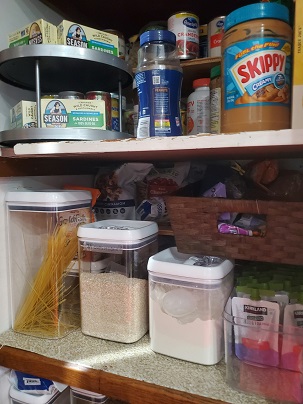
Effective pantry organization is paramount for maintaining a functional kitchen, and innovative storage solutions can transform any space, no matter how limited. One popular approach involves the use of baskets and bins, which can help categorize and contain various items, thus reducing clutter. Labeling each basket with its contents allows for quick access, thereby enhancing efficiency during meal preparation. Utilizing bins not only provides a clean aesthetic but also maximizes vertical space, making it easier to stack and store items.
Another efficient approach is incorporating shelving systems. Adjustable shelves can accommodate items of varying heights, from canned goods to larger bulk purchases. Open shelving can be particularly appealing, as it invites easy visibility and access, allowing one to keep track of inventory more effectively. Moreover, adding tiered organizers can work wonders for smaller items; by elevating containers, users can easily view their options and avoid purchasing duplicates.
For those looking for more creative avenues, repurposing jars can make an eye-catching storage solution. Clear glass or plastic jars can house grains, spices, and snacks, providing both visibility and elegance. This approach allows users to showcase their ingredients while contributing to a rustic charm in the pantry. Lazy susans are another excellent addition, promoting accessibility while maintaining organization. They can turn what might otherwise be a neglected corner into a functional space for oils, sauces, and condiments.
In conclusion, exploring these creative storage solutions can significantly elevate pantry organization. By diversifying storage methods, individuals can maintain an orderly, efficient kitchen while reflecting their personal style through thoughtful choices in pantry design.
Labeling for Easy Access
Effective labeling plays a crucial role in the organization of pantry items, ensuring that everything is easily identifiable and accessible. With a well-structured labeling system, users can quickly locate ingredients, which streamlines cooking and meal preparation processes. By employing various labeling styles, individuals can customize their pantry organization to suit their aesthetic preferences and functional needs.
One popular option is chalkboard labels, which allow for flexibility as they can be easily erased and rewritten. This adaptability is particularly beneficial for items that are frequently rotated, such as spices or dry goods. Additionally, chalkboard labels can add a rustic touch to the decor of the pantry, enhancing visual appeal while serving their practical purpose.
Plastic labels are another effective choice, especially when designed for durability and resistance to moisture. They often come with a mounted adhesive back, making them easy to apply to any container—whether jars, bins, or shelves. For those seeking an organized look, consider investing in matching plastic label holders, as they provide a cohesive appearance throughout the pantry.
Printable labels represent a modern and versatile solution. Many templates are available online, allowing users to personalize labels with specific fonts and designs. These can be printed on adhesive paper and tailored for any container. This approach not only aids in easy identification but can also incorporate color coding, enhancing the organizational aspect further.
When considering label placement, aim for visibility and consistency. Labels should ideally be positioned at eye level on each container, ensuring that they can be read easily. Furthermore, maintaining a uniform labeling style across the pantry creates a cohesive and organized look, simplifying the experience when looking for specific items.
Thematic Organization Strategies
Implementing thematic organization strategies in your pantry can significantly enhance its functionality and aesthetic appeal. One popular method is organizing by food type, which allows for easy access to items and streamlined meal preparation. For instance, grouping together grains, canned goods, and spices can make it simpler to locate ingredients when creating recipes. This organization method aids in efficient meal planning and reduces time spent searching for items.
Another effective strategy is categorizing food based on meal preparation, such as breakfast, lunch, and dinner. This approach not only facilitates quicker meal decisions but also creates a visually appealing display. For example, dedicating shelves to breakfast staples like oats, cereals, and nut butters, while also creating separate sections for lunch ingredients such as deli meats and sandwich spreads, can help maintain order. Such subdivisions assist in ensuring that all items needed for specific meals are close at hand, making cooking more enjoyable and organized.
Additionally, the thematic organization can also account for specific dietary needs. Creating designated sections for dietary categories, like vegan, gluten-free, or keto foods, serves dual purposes. It not only highlights ingredients suitable for particular diets, making them easier to find but also prevents cross-contamination of food items. For example, gluten-free flours can be stored separately from regular flours, minimizing the risk of mixing. In this way, pantry organization transcends mere aesthetics and becomes a practical practice that supports the dietary habits of all household members.
Incorporating Vertical Space
Making the most of vertical space in the pantry is essential for maximizing storage capacity and ensuring a well-organized area. Using wall-mounted shelves is one effective way to extend the available storage upwards. These shelves can be installed at various heights, allowing for strategic placement of items that are used frequently or that may otherwise take up valuable space on counters and other surfaces. By utilizing wall-mounted shelves, you can keep items like spices, canned goods, or dry ingredients easily accessible while simultaneously freeing up floor space.
Another excellent option for enhancing vertical storage is through the use of hanging storage solutions. These can include hooks, pegboards, or magnetic strips, which provide an opportunity to suspend pots, pans, or even utensils. This not only maximizes pantry space but also brings an organized appearance, making it easier to locate necessary tools when cooking. Hanging baskets or racks can be utilized as well, offering a stylish and functional way to store smaller items like potatoes or onions, ensuring they remain visible and easy to access.
Stackable bins are yet another innovative solution for incorporating vertical space. These bins can be used to categorize and store items such as snacks, baking ingredients, or miscellaneous pantry staples. By stacking these bins, one can take advantage of unused vertical height while keeping similar items together, making for an organized and efficient pantry. Additionally, labels can be used on each bin to indicate contents, further enhancing the ease of access.
In summary, employing vertical space solutions such as wall-mounted shelves, hanging storage, and stackable bins can greatly enhance the overall functionality of a pantry. By thoughtfully integrating these options, one can ensure that every inch of the pantry is utilized effectively, creating a more efficient and aesthetically pleasing environment for managing food storage.
Seasonal and Rotational Organization
Pantry organization is an ongoing process that can significantly impact not only the efficiency of meal preparation but also the freshness of your ingredients. Implementing seasonal and rotational organization strategies can be particularly beneficial for optimizing your pantry space and ensuring you utilize ingredients effectively throughout the year.
Rotating stock is a fundamental practice. It involves arranging pantry items based on their use-by dates, ensuring that older products are utilized before newer ones. This practice minimizes food waste and extends the life of your pantry ingredients. For instance, when stocking your pantry after a grocery run, place newly purchased items towards the back and older items towards the front. This simple practice encourages you to use what you have on hand and helps reduce the chance of items expiring.
In addition to stock rotation, considering seasonal ingredients can also enhance your pantry organization. Each season brings a wealth of fresh produce, grains, and legumes that can vary in availability. For example, during the fall, you might find yourself using more squash, pumpkin, and root vegetables, while summer might lead to a plethora of fresh herbs, tomatoes, and zucchini. Planning menus around seasonally available ingredients not only promotes sustainability but also elevates your cooking by allowing you to incorporate fresh flavors.
Adapting your pantry organization based on these seasonal changes is vital. Consider categorizing your pantry items into seasonal zones. One area could be dedicated to canned and dried beans or grains best used during colder months, while another could focus on lighter, fresher ingredients that are ideal for summer cooking. This method ensures that your pantry organization remains dynamic, working in harmony with your cooking habits and the evolving seasons.
Maintaining Your Organized Pantry
Creating an organized pantry is just the beginning; maintaining that organization is key to ensuring that it remains an effective space for food storage and meal planning. First, consider establishing a regular cleaning schedule. Dedicate time weekly or bi-weekly to quickly scan the pantry for expired items, and replenish staples that are running low. This not only helps keep your pantry clean but also reminds you of what you have, preventing unnecessary purchases.
Re-evaluating your organization system periodically is essential. As your cooking habits, dietary needs, or family size change, your pantry’s organization may require adjustments. Every season or at least once every six months, take time to assess whether your categorized shelves and bins still serve their purpose. You might find that certain items are rarely used while others might need more accessible storage space. This ensures that your pantry remains functional and efficient.
In addition, incorporating clear labeling systems can significantly aid in maintaining order. Use labels to identify not only the contents of containers but also expiration dates and storage recommendations. This visual cue can save you time when you are searching for items and can encourage prompt usage of items before they expire.
Finally, encourage all household members to participate in maintaining the pantry. Teach them the importance of returning items to their designated spots after use and disposing of items that are no longer suitable for consumption. By creating a collective responsibility, you ensure your pantry remains organized and functional in the long term.