

Introduction to Timeless Home Decor
In the realm of interior design, the concept of timeless home decor has garnered significant attention for its ability to evoke a sense of permanence and comfort. Timeless decor transcends fleeting trends, ensuring that homes radiate enduring style and elegance. These classic design elements often reflect a seamless balance of form and function, creating spaces that remain beautiful and functional through the ages. A critical aspect of timeless home decor is its foundational emphasis on quality and cohesiveness. Selecting enduring styles—such as neutral color palettes, natural materials, and classic furnishings fosters a lasting aesthetic that can adapt as personal tastes evolve. This approach not only enhances the visual appeal of a home but also supports sustainability, allowing homeowners to invest in pieces that withstand the test of time rather than succumbing to the ever-changing whims of fashion.
The importance of choosing lasting designs cannot be overstated. When homeowners opt for timeless decor, they create an environment that feels welcoming and familiar, rather than dictated by momentary trends. This results in spaces that maintain their charm and character even as other trends fade away. Moreover, well-chosen timeless decor elements often have a subtle way of enhancing the overall ambiance, giving a feeling of tranquility and stability. Trends such as classic hardwood flooring, well-proportioned furniture, and traditional architectural details embody a heritage-inspired aesthetic that appeals across generations.
Ultimately, embracing timeless home decor contributes to a more gratifying living experience, as individuals can derive pleasure from their surroundings without the need for constant updates. As we delve deeper into the specifics of these enduring trends, we will explore various elements that define timeless home decor and the ways they can be integrated into contemporary spaces.
Classic Color Palettes
When it comes to timeless home decor trends, the use of classic color palettes plays a crucial role in creating inviting and harmonious living spaces. Color influences our emotions and mindset, and selecting the right hues can evoke specific feelings that enhance the overall ambiance of a room. Among the most popular choices are neutrals, pastels, and earthy tones, each of which brings its unique charm to any decor.
Neutral colors such as whites, beiges, and grays are particularly favored for their versatility. They serve as a perfect backdrop for any style, allowing homeowners to incorporate various textures and accessories with ease. The calming nature of neutrals makes them suitable for creating serene environments, while also ensuring that spaces appear more spacious and inviting.
Pastel shades, like soft blues, pinks, and greens, introduce a gentle touch to interior decor, instilling a sense of tranquility and comfort. These colors, reminiscent of natural landscapes, work harmoniously with both traditional and modern design styles. Pastels can brighten up a space without overwhelming it, making them ideal for living rooms, bedrooms, and even kitchens.
Earthy tones, including terracotta, olive green, and warm browns, draw inspiration from nature and can create a grounded atmosphere within the home. These shades foster a connection to the outdoors, promoting relaxation and well-being. They are particularly effective in spaces meant for social interaction, as they create a cozy backdrop that encourages conversations and gatherings.
By thoughtfully integrating classic color palettes into home decor, homeowners can craft spaces that are not only timeless but also resonate with their personal style. Whether opting for neutrals, pastels, or earthy shades, these color choices can successfully enhance the aesthetic appeal and emotional comfort within any home.
Quality Over Quantity: Investing in Furniture
When it comes to furnishing your home, the age-old adage of “quality over quantity” becomes paramount. Investing in high-quality furniture pieces is not merely a financial decision; it reflects a commitment to durability, timelessness, and aesthetic value. Furniture is one of the most significant components of home decor, often defining the atmosphere and functionality of a space. Opting for well-crafted pieces can ensure that your investment withstands the test of time, both in style and structural integrity.
Among the myriad of furniture styles available today, classics such as mid-century modern and traditional designs stand out for their enduring appeal. Mid-century modern, characterized by its clean lines and organic shapes, blends effortlessly with various decor themes, from minimalist to eclectic. This style, originating from the 1940s to the 1960s, emphasizes functionality and simplicity, making it a versatile choice for contemporary homes seeking to incorporate timeless elegance into their spaces.
On the other hand, traditional furniture often embodies elements of craftsmanship and rich history. Classic pieces such as wingback chairs, mahogany cabinets, and ornate dining tables echo the grandeur of earlier eras and can complement a variety of interior styles, from rustic to transitional. The richness of the materials often used in these pieces, such as solid wood and high-quality fabrics, ensures they not only look stunning but are built to last.
Moreover, investing in quality furniture often translates to better comfort and usability in everyday life. While cheaper alternatives may catch the eye with their affordability, they often lack the design integrity and durability that quality pieces provide. Therefore, when selecting furniture, it is wise to prioritize timeless pieces that promise to be both stylish and functional throughout the changing trends of home decor.
The Allure of Natural Materials
In the ever-evolving realm of home decor, the usage of natural materials has proven to be a steadfast trend. Homeowners, designers, and architects alike have increasingly turned to materials such as wood, stone, and metal, appreciating not only their aesthetic appeal but also their durability and timelessness. Natural materials bring a unique, organic quality to living spaces that manufactured or synthetic options often cannot replicate.
Wood, for instance, offers warmth and character to any room. Its diverse range of types, from the rich hues of mahogany to the light grains of maple, allows for a variety of design possibilities. Whether utilized in flooring, cabinetry, or as accent pieces, wood has the ability to create a cozy, inviting atmosphere. Additionally, its durability ensures that these elements can withstand the test of time, often aging gracefully and even becoming more beautiful with age.
Stone, another natural material, exudes a sense of permanence and sophistication. Used in countertops, backsplashes, or flooring, stone brings an element of nature indoors, connecting the living space to the environment. Each stone piece tells its own story, full of unique patterns and textures that add depth to home decor. Furthermore, its resistance to wear allows it to maintain its beauty for years, making it a practical choice for homes.
Metal finishes, whether in the form of fixtures, furniture, or decorative accents, complement the warmer tones of wood and stone beautifully. Materials like brass, copper, and stainless steel not only offer a modern touch but also enhance the durability of decor elements. The industrial feel of metal seamlessly blends with other natural materials, creating a balanced and harmonious design.
Ultimately, the allure of natural materials in home decor is their ability to enhance both the aesthetic and the functionality of spaces. As more homeowners embrace this timeless trend, it is clear that these materials will continue to be favored for their enduring style and resilience.
The Beauty of Symmetry in Design
Symmetry plays a fundamental role in home decor, serving as a crucial element that contributes to a sense of balance and harmony within a space. The inherent appeal of symmetrical design lies in its ability to create visual order, guiding the viewer’s eye and organizing the surroundings effectively. It is a concept that has transcended generations, remaining timeless in its application.
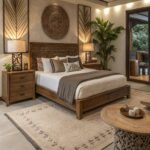
When examining furniture arrangements, symmetry often reveals itself through the strategic placement of seating. Consider a living room where two identical sofas face one another, flanked by matching side tables. This arrangement not only fosters conversation but also instills a comforting equilibrium in the space. Similarly, in bedrooms, a symmetrical layout can be achieved using matching nightstands on either side of the bed, creating a coherent and inviting atmosphere.
Wall art also offers an excellent opportunity to explore symmetry in design. A symmetrical gallery wall comprising identical frames enhances the aesthetic appeal while drawing attention to the artwork itself. For instance, aligning two larger pieces of art on either side of a central focal point, like a fireplace, can beautifully anchor the room. Furthermore, the use of mirrors can amplify the effect of symmetry; placing two identical mirrors opposite each other will create a captivating illusion of greater space while reflecting light effectively.
Architectural elements, such as windows and doorways, often use symmetry to reinforce a sense of structure. A front entrance featuring dual columns flanking the door exemplifies how symmetry can underline architectural beauty. This balance is not only visually compelling but also invokes feelings of stability and peace within a home environment.
Incorporating Vintage Elements
In the realm of home decor, the charm of vintage elements is undeniable. Integrating vintage pieces into modern settings allows homeowners to create a distinctive atmosphere that reflects both personal history and contemporary tastes. The appeal of vintage items lies not only in their aesthetic qualities but also in the stories they carry, often evoking memories of past eras and cherished moments.
When adding vintage decor to a modern space, a harmonious blend of different eras can be achieved, fostering a unique style that is both eclectic and cohesive. For instance, pairing a mid-century modern chair with a contemporary coffee table can come together to form an inviting focal point within a living area. This juxtaposition not only showcases the beauty of each piece but also speaks to a well-rounded design sensibility.
Moreover, vintage items often serve as conversation starters, inviting guests to explore their histories and the contexts in which they were used. Whether it’s an antique mirror, a retro lamp, or a vintage rug, each element contributes to a layered aesthetic that is rich in character and charm. Furthermore, these pieces are often more sustainable, promoting recycling and reusing, which is not only good for the environment but also for the pursuit of unique and intriguing home decor.
To successfully incorporate vintage elements, it is essential to select items that resonate personally or aesthetically with the overall design vision. Mixing and matching styles and periods can yield unexpected combinations that breathe life into the home. Ultimately, incorporating vintage decor demonstrates an appreciation for the past while enhancing the overall modern decor scheme, making any space feel both timeless and inviting.
Functional Yet Stylish Spaces
In contemporary home design, the trend of functional yet stylish spaces is prevalent, reflecting a crucial necessity in modern living. Homeowners increasingly seek to create environments that balance aesthetics with practicality, allowing for everyday functionality without compromising on style. This approach emphasizes intelligent design choices that unite beauty and usability.
One significant aspect of this trend is the rise of multi-purpose furniture. These pieces serve more than one function, catering to the need for versatile and adaptable solutions in homes, especially those with limited space. For instance, a stylish sofa bed can transform a living area into a guest room, while a chic dining table can double as a workspace. This kind of furniture not only optimizes space but also complements the overall decor, ensuring that aesthetics are not sacrificed for functionality.
Moreover, smart storage solutions have become increasingly popular in home decor trends. Practically designed storage options, such as ottomans with hidden compartments or decorative shelving units, enhance the visual appeal of a room while minimizing clutter. These designs help homeowners maintain organization and efficiency, integrating storage seamlessly into their decor. The aesthetic design of these storage solutions often features contemporary materials and finishes, ensuring that functionality enhances rather than detracts from the overall style.
Creating functional yet stylish spaces reflects a growing awareness of how spaces can serve multiple purposes in our everyday lives. By incorporating multi-functional items and clever storage solutions, homeowners can design interiors that are both beautiful and practical. This balance caters to modern living needs, making functionality an inherent part of stylish home decor.
Enduring Patterns and Textiles
When considering timeless home decor trends, patterns and textiles play a crucial role in establishing a space that feels both classic and inviting. Among the varied options, stripes, florals, and plaids emerge as enduring patterns that have transcended generations, each offering unique visual appeal and versatility.
Stripes, for instance, can effortlessly enhance a room’s ambiance by introducing structure and rhythm. Whether utilized in wallpaper, drapery, or upholstery, stripes can range from bold, wide strokes to subtle pinstripes, making them suitable for various styles—from contemporary to traditional. In living rooms, striped fabric can add a sense of height, especially when applied vertically, while horizontal stripes can infuse a cozy, expansive feel in more confined spaces.
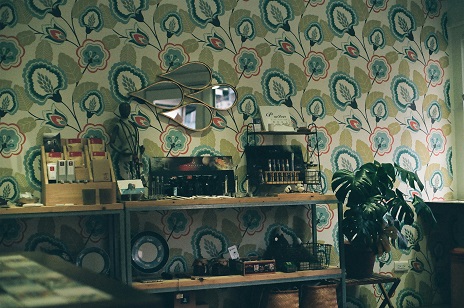
Florals, on the other hand, bring a touch of nature indoors, offering a timeless aesthetic that evokes a sense of warmth and charm. These patterns can range from large, lush blooms to delicate, intricate designs, providing flexibility in application across different decor elements. Adding floral upholstery to a vintage armchair or draping floral curtains can instantly rejuvenate a room, bringing life and color to the overall decor.
Plaids are similarly versatile, known for their ability to blend seamlessly into both rustic and modern settings. This pattern, often associated with comfort, can be used in various forms—from throw pillows to area rugs—providing a cozy, layered look. The combination of colors in plaid textiles adds warmth and depth, making it an ideal choice for spaces that prioritize both style and comfort.
By integrating these timeless patterns and textiles into modern decor, homeowners can create a stylish environment that remains relevant across design trends. Their ability to complement various design elements makes them a foundational aspect for any decor enthusiast.
Conclusion and Final Thoughts
In the ever-evolving world of home decor, certain trends have demonstrated remarkable staying power. Emphasizing simplicity, functionality, and quality materials, these timeless design elements create inviting spaces that resonate with both current tastes and enduring appeal. Natural materials, neutral color palettes, and classic furniture styles are the bedrock of a home that remains stylish through changing trends.
When considering your own interior spaces, it is crucial to focus on durability and versatility. Investing in classic pieces, such as a well-crafted sofa or a solid wood dining table, ensures that your decor withstands the test of time. Furthermore, incorporating accessories that possess a vintage charm—like antique mirrors or heirloom textiles—can elevate the aesthetic of any room while still offering a nod to the past.
Another essential aspect of timeless home decor is the concept of layering. This allows for flexibility, enabling you to adapt your space without compromising the overall style. By combining different textures, colors, and shapes, you can curate a space that feels both cohesive and dynamic. Additionally, fostering a connection with the surrounding environment by integrating plants or natural elements creates a refreshing atmosphere that complements timeless design principles.
Ultimately, the key to selecting decor elements that endure is to prioritize personal taste and comfort. Choosing pieces that resonate on a personal level will not only lead to a more rewarding environment but will also ensure your choices feel relevant for years to come. By focusing on these timeless principles, you can create a home that shines with elegance, regardless of passing trends.