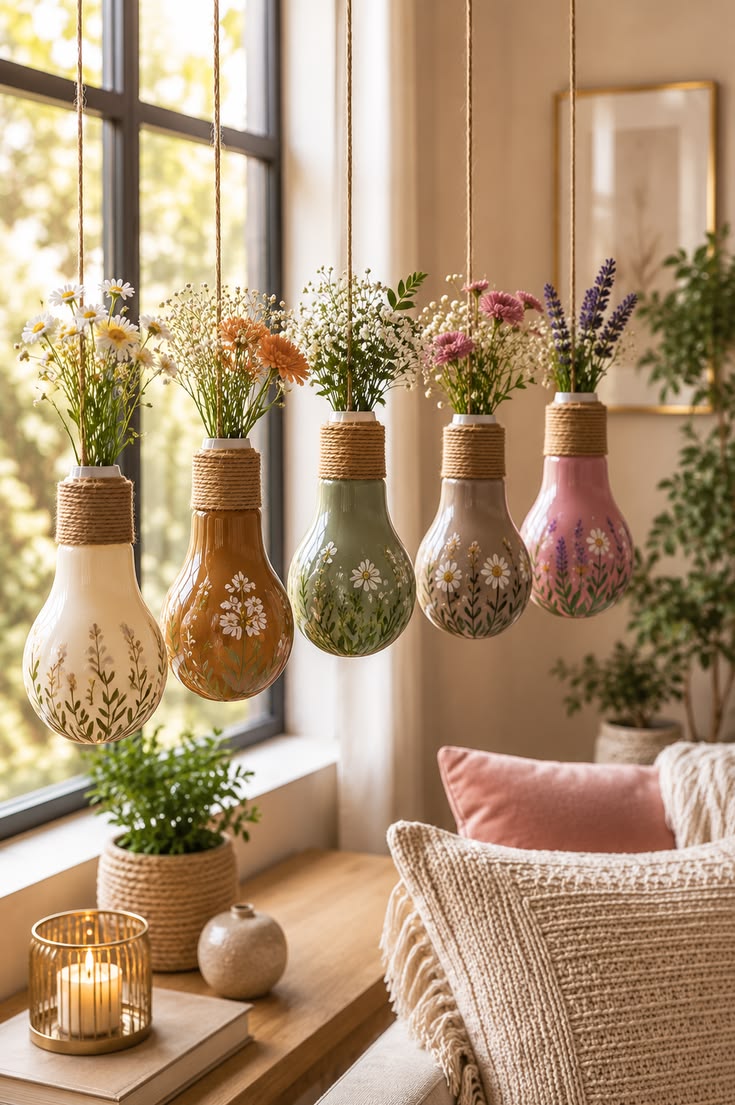
Introduction to Recycled Home Decor
In recent years, the trend of incorporating recycled materials into home decor has gained substantial traction. This movement is contributing significantly to sustainability by promoting the reuse of materials that would otherwise be discarded. Recycled home decor not only mitigates waste but also fosters creativity. It allows individuals to personalize their living spaces while making a positive environmental impact.
The practice of utilizing waste materials extends beyond mere aesthetics; it encourages an eco-friendly mindset among homeowners and decorators. Items that are considered trash—such as glass bottles, wooden pallets, and old textiles—can be ingeniously transformed into useful and beautiful decor pieces. This approach encapsulates the notion that one person’s waste is another person’s treasure, thereby celebrating resourcefulness and sustainability.
Moreover, recycled home decor introduces a unique charm to interiors. Each piece created from recycled materials carries its own history and character, distinguishing it from mass-produced items. Homeowners can create personalized decor that reflects their individuality and environmental consciousness. This shift in design philosophy not only adds character to homes but also educates others about the benefits of sustainability.
Furthermore, the economic benefits of using recycled materials should not be overlooked. Often, these materials are more affordable than traditional costlier decor options. Engaging in recycled home decor can inspire DIY projects that encourage families and friends to collaborate creatively, thus strengthening community bonds while enhancing their homes.
Ultimately, integrating recycled materials into home decor is a practical yet artistic endeavor that plays a vital role in promoting sustainability, reducing waste, and creating unique living environments.
Benefits of Using Recycled Materials in Home Decor
In recent years, the adoption of recycled materials in home decor has gained significant popularity, driven by both environmental consciousness and a desire for unique home styling. One of the most notable benefits of utilizing recycled materials is the positive impact on the environment. By repurposing materials that would otherwise end up in landfills, individuals contribute to reducing waste, conserving natural resources, and lowering their carbon footprint. This environmentally-friendly practice not only aids in combating pollution but also promotes sustainability as an essential value in modern living.
Additionally, using recycled materials can be a cost-effective choice for homeowners and decorators. Many recycled materials are often available at lower prices compared to brand new products, which can lead to significant savings. By sourcing materials from thrift stores, flea markets, or even one’s own garage, individuals can acquire raw elements at a fraction of the cost, allowing for creativity without extensive financial investment. This budget-friendly approach aligns well with those who prioritize both aesthetics and economic efficiency.
Beyond the economic and environmental advantages, integrating recycled materials into home decor fosters innovative creativity. This practice inspires unique design concepts and allows homeowners to express their personal style in a distinct manner. Each recycled item has its own history and character, providing opportunities to create bespoke pieces that tell a story. From repurposed wood beams turned into stylish shelves to vintage glass bottles creatively transformed into lamps, the possibilities are endless. This originality not only enhances the visual appeal of a space but also establishes a deeper connection to the decor by reflecting the owner’s individuality.
Ideas for Recycled Home Decor Projects
Creative home decor can easily be achieved using recycled materials, allowing for unique, personalized spaces while also promoting sustainability. There are countless project ideas that not only contribute to environmental conservation but also allow one to express creativity in home design.
One popular project idea is creating furniture from wooden pallets. These pallets can be transformed into vibrant coffee tables, sofas, or even bed frames. By sanding down the wood and applying a fresh coat of paint, they can become stylish, rustic elements in any home setting. Additionally, incorporating cushions or decorative throws can enhance comfort and aesthetics.
Another engaging idea is to craft wall art utilizing old magazines. By carefully cutting out colorful images or typography, individuals can create collage-style artwork. This method not only utilizes materials often discarded but also brings a pop of color and a personal touch to living spaces. Properly framing these collages can elevate their presence as focal points on walls.
Furthermore, garden decor from plastic bottles is a wonderful way to incorporate recycling into landscaping. One can cut and paint plastic bottles to create unique planters or bird feeders. Adding a simple wire or string allows for hanging creations that can bring charm and character to outdoor areas.
These ideas serve as just a starting point; the potential for creativity when working with recycled materials is boundless. Encouraging readers to think outside the box can lead to even more innovative projects that enhance their living environments. The beauty of using recycled materials lies in their versatility and the stories they carry, making each piece truly one-of-a-kind.
Step-by-Step Guide to Creating Recycled Decor
Creating recycled decor can not only help reduce waste but also allow individuals to express their creativity in unique ways. To embark on this eco-friendly project, it is essential to gather the necessary tools and materials before getting started. Common recycled materials include glass jars, cardboard boxes, old magazines, and metal cans. For tools, you will need scissors, a hot glue gun, a craft knife, and paint or varnish, as desired.
Before diving into your craft, prioritizing safety is vital. When handling sharp objects like scissors or craft knives, make sure to cut away from your body and work on a stable surface. If you are using paint or glue, be sure to work in a well-ventilated area and consider wearing gloves if you have sensitive skin.
Once you have your materials and tools ready, choosing a technique is the next step. For example, turning glass jars into decorative vases can be achieved by simply cleaning the jars and painting them with glass paint. Alternatively, you can wrap twine around the jar for a more rustic look. Cardboard can be transformed into creative organizers by cutting, folding, and gluing pieces together, which can be customized with paint or decorative paper.
Another popular method is repurposing old magazines or newspapers into new forms. These materials can be rolled or folded into various shapes, making unique pieces such as coasters or wall art. Utilizing metal cans is another great option; after removing sharp edges, they can be painted and used as planters or candle holders.
In addition to these techniques, experimenting with embellishments like beads, fabric scraps, and buttons can add an extra touch to your projects. Creativity knows no bounds when it comes to recycled decor; you can mix and match materials and styles to develop your personal aesthetic. Remember, the goal is to enjoy the process while contributing to sustainable living.
DIY Recycled Decor: Room-by-Room Inspiration
When it comes to creating a unique decor style in your home, utilizing recycled materials can be a superb way to achieve your goals while promoting sustainability. Each room serves distinct functionalities, and recycling offers innovative avenues to enhance them. Below are some tailored projects that can transform your living space.
In the living room, consider using old wooden pallets to create a coffee table. Sanded down and painted, these pallets can become the centerpiece of your room. Alternatively, glass bottles can be repurposed into lovely vases. Simply clean them, paint them, or leave them clear, and fill them with seasonal flowers or decorative stones for an artistic touch.
Moving to the kitchen, the use of recycled jars can bring both organization and charm. Mason jars can make excellent containers for utensils, dry goods, or even herbs. Labels made from scrap paper can add a personal touch. Another exciting idea is to convert old cutting boards into wall art. A bit of faux painting or decoupage can transform these boards into beautiful pieces that showcase your culinary passions.
The bedroom is another area where recycled materials can shine. An old ladder can be beautifully repurposed as a bookshelf or display for plants and decor. If you have leftover fabric from clothing or curtains, consider crafting decorative throw pillows. This not only adds color but also infuses personal history into your space. Moreover, wine corks can be utilized to create a bulletin board, providing functionality with a creative flair.
Emphasizing these projects not only enhances your home but illustrates the benefits of recycling. By incorporating DIY ideas into your living environment, you engage in a creative practice that champions sustainability and individuality in your home decor.
Sources for Finding Recycled Materials
In the quest for creative home decor, utilizing recycled materials presents a sustainable and imaginative approach. Fortunately, there are numerous sources where one can find materials to inspire their next project.
Thrift stores are treasure troves filled with a variety of items waiting to be repurposed. Shoppers can discover unique furniture pieces, vintage fabrics, or even home accessories that can be easily updated with a bit of creativity. Beyond thrift shops, garage sales often present opportunities to procure items at bargain prices. Many people are eager to clear out their unused items, making this an excellent chance to acquire materials that can be transformed into new decor.
Local recycling centers also provide a valuable resource. These centers often have sections dedicated to reusable materials that might otherwise go to waste. Common items include wood, glass, and metal, all of which can be creatively repurposed into functional or decorative pieces for the home. Furthermore, communities sometimes host upcycling events or workshops where residents can exchange materials or gain inspiration from others’ projects.
Additionally, it is important to look around one’s own home to identify unused items that could find a new purpose. Old newspapers, jars, and even worn-out clothing can serve as materials for countless DIY projects. By viewing these items through a creative lens, individuals can transform everyday waste into beautiful decor.
Embracing the challenge of sourcing recycled materials fosters an appreciation for sustainability while allowing for self-expression in home decor. This practice not only reduces waste but also highlights the potential in materials that are often overlooked.
Creative Techniques for Enhancing Recycled Decor
Incorporating recycled materials into home decor offers not only environmental benefits but also a unique opportunity for creative self-expression. To elevate the aesthetic appeal of recycled decor, various techniques can be employed, turning simple items into stunning centerpieces. One of the most effective methods is painting. By applying a fresh coat of paint to items such as old furniture, glass jars, or metal cans, you can completely transform their appearance. Choose bold colors for a modern vibe or muted shades for a rustic look.
Staining is another technique that can add depth and richness to recycled wood pieces. Whether it’s a wooden pallet turned into a coffee table or reclaimed wood shelves, using a wood stain enhances the natural grain and character of the material. A well-stained piece not only showcases the texture but also brings warmth to any space.
Adding embellishments is a creative way to personalize recycled decor items. Consider using fabric scraps, beads, or twine to accentuate a piece. For instance, a glass vase can be wrapped with jute twine for a rustic appeal, while old t-shirts can be repurposed to create unique pillow covers. Furthermore, embellishments such as stencils or decoupage can be applied to give additional artistic flair to surfaces.
Upcycling is an essential aspect of enhancing recycled decor. Before tossing out the mundane, reconsider its potential. An old ladder can be refurbished into a stylish bookshelf, while wine corks can be crafted into coasters or bulletin boards. By reimagining these materials, one can move beyond simple recycling to create practical and awe-inspiring decor that reflects personal style.
These creative techniques exemplify how recycled materials can be transformed into beautiful decor items. The possibilities are virtually endless, restricted only by one’s imagination and resourcefulness, enabling anyone to contribute to sustainable living while achieving stunning results in their home decor.
Real-Life Examples of Recycled Home Decor
The trend of using recycled materials in home decor has inspired countless DIY enthusiasts and artists. One such individual is Sarah Johnson, a local artist and eco-conscious creator, who has turned her passion for sustainability into a thriving home decor business. Sarah specializes in crafting furniture from reclaimed wood and metal. Her unique pieces not only add character to a home, but they also tell a story of creativity and responsible consumption. During our interview, she shared, “Every piece I create has its distinct history, and I love that I can give new life to materials that would otherwise be discarded.”
In addition to Sarah, we spoke with Tom Baker, a DIY fanatic known for his innovative use of glass bottles and jars. Tom emphasizes functionality in his projects, demonstrating how recycled materials can serve both aesthetic and practical purposes. “I turn old glass jars into stunning pendant lights and rustic candle holders. It’s amazing to see how items that once had a different purpose can transform a space entirely,” he said. Tom’s skills have transformed many living rooms into vibrant showcases of creativity.
Another inspiring example comes from the community of Asheville, North Carolina, where a local group regularly hosts workshops focused on sustainable decor. Participants bring items from home that would typically end up in the trash or recycling bin, and together they create stunning art pieces, garden decorations, and furniture. The community spirit and collaboration in these sessions highlight the potential of recycled materials in bringing people together while promoting eco-friendly practices.
These real-life examples underline the boundless opportunities for creativity that exist when utilizing recycled materials in home decor. With innovative thinkers like Sarah and Tom leading the way, the journey of sustainable transformation is both achievable and inspiring for anyone looking to enhance their living spaces. Their experiences prove that with a little imagination and resourcefulness, recycled home decor doesn’t just exist; it flourishes.
Conclusion: Embracing Sustainability in Home Decor
Creative home decor using recycled materials not only enhances the aesthetic appeal of living spaces, but it also contributes significantly to sustainability. Throughout this blog post, we have explored numerous ways to incorporate recyclable materials into home decor projects. From repurposing glass jars as stylish storage solutions to transforming old textiles into unique wall hangings, the possibilities are truly endless.
We delved into the importance of selecting eco-friendly materials, which serve the dual purpose of beautifying one’s home while minimizing environmental impact. By embracing sustainable decor practices, individuals can express their creativity without compromising on their commitment to the planet. This creative reuse of materials reflects a growing awareness of environmental issues and demonstrates how small changes can contribute to a larger movement towards sustainability.
Additionally, we emphasized the idea that home decor need not be expensive or wasteful. Utilizing recycled materials fosters innovation and invention, allowing individuals to tailor their spaces according to personal tastes and values. Encouragingly, many of these ideas can be executed at minimal cost, making sustainable decorating accessible to a wider audience.
In conclusion, we encourage readers to embrace sustainability in their decorating choices. Every small effort counts in creating a more environmentally friendly world. By choosing to incorporate recycled materials into home decor, individuals are not only refreshing their living spaces but also contributing to a greener planet. Let us all strive to make conscious decisions that echo our responsibility towards the environment while showcasing our creativity.