


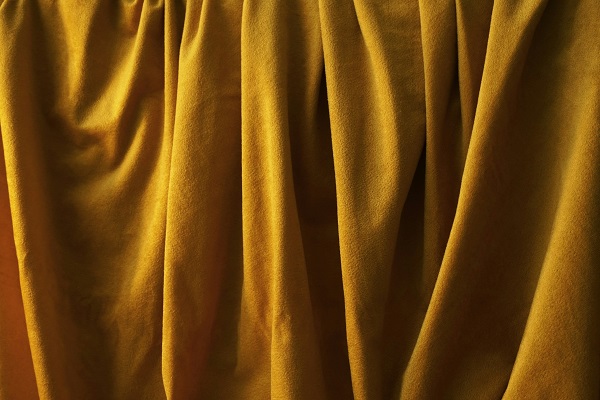
Introduction: The Importance of Curtains in Home Decor
Curtain styles play a crucial role in the overall aesthetic and functionality of a home. They serve to enhance the interior decor by adding color, texture, and pattern, allowing homeowners to express their personal style. Whether one prefers the minimalism of sheer fabrics or the opulence of heavy drapes, curtains can dramatically alter the ambiance of a room. The choice of curtains reflects the homeowner’s taste and can contribute significantly to the overall design scheme. Beyond their decorative role, curtains also serve practical purposes that are essential for modern living. One of the primary functions is to provide privacy, shielding the interior from the view of passersby and ensuring that personal spaces remain secure. This feature is particularly important in densely populated areas where homes are in close proximity to one another. Curtains can also help control the amount of natural light entering a room. By adjusting them appropriately, one can create a bright, airy atmosphere during the day or a cozy, intimate setting in the evening.
Furthermore, curtains contribute to energy efficiency in the home. By acting as a barrier, curtains can help regulate indoor temperatures, keeping cold air out during winter and reflecting heat away during summer. This capability not only enhances comfort levels but also has the potential to reduce energy costs over time.
In summary, curtains are much more than simple window treatments. They serve vital roles in enhancing home aesthetics, providing privacy, and supporting energy efficiency. Selecting the right curtains can elevate the decor of any space while fulfilling essential practical needs, making them a fundamental element of home design.
Understanding Different Types of Curtains
Curtains serve both functional and aesthetic purposes in any space, offering a means to control light, enhance privacy, and add style to a room. Various types of curtains are available, each designed for specific needs and preferences. The primary types include sheer, blackout, thermal, and decorative curtains.
Sheer curtains are crafted from lightweight materials, such as chiffon or organza, allowing light to filter through while maintaining a degree of privacy. They are commonly used in living rooms and dining areas, where a soft, airy atmosphere is desired. These curtains can be layered with heavier options to achieve a balanced look while enhancing natural light.
Blackout curtains, on the other hand, are made from thicker, denser fabrics that effectively block out light, making them ideal for bedrooms or media rooms. These curtains not only provide privacy but also help in regulating temperature by insulating windows. Many modern blackout curtains come in various styles and colors, so they can complement any room’s decor.
Thermal curtains are similar in function to blackout curtains but are specifically designed to minimize heat transfer, keeping interiors warm in winter and cool during summer. They are often lined with insulating materials to improve energy efficiency, making them a practical choice for environmentally conscious consumers.
Finally, decorative curtains add an artistic element to a room, allowing individuals to express their unique style. These curtains can feature intricate patterns, textures, or colors and are often used in formal settings or as statement pieces. While they may not provide the same level of privacy or light control as other types, they can significantly enhance the visual appeal of a space.
Choosing Curtain Fabric for Style and Functionality
When selecting curtains, the fabric is an essential consideration that influences both the style and functionality of your window treatments. Various materials offer different benefits, allowing homeowners to choose the perfect match for their specific needs and preferences.
Cotton is a popular choice for curtain fabric due to its durability, affordability, and ease of care. Available in numerous colors and patterns, cotton curtains can enhance the aesthetic of both casual and formal spaces. While cotton offers reasonable light filtration, it tends to provide less privacy than thicker materials.
Linen is another fabric frequently chosen for its timeless appeal and natural texture. The lightweight nature of linen allows for efficient light flow while maintaining a relaxed ambiance. However, this fabric may require a lining to improve privacy and light control, making it ideal for spaces where a blend of natural light and seclusion is desired.
For those seeking a luxurious appearance, velvet is an excellent option. This fabric is renowned for its rich colors and opulent texture, adding depth and elegance to any room. Velvet curtains are effective at blocking out light, making them suitable for bedrooms or other areas where privacy and light control are paramount.
On the other hand, synthetic materials, such as polyester or nylon, combine practicality with versatility. These fabrics are often stain-resistant and easy to clean, making them ideal for high-traffic areas or homes with children and pets. Additionally, synthetic curtains are available in a variety of styles, offering the opportunity to achieve nearly any desired aesthetic without compromising on functionality.
Ultimately, choosing the right curtain fabric involves balancing style preferences with functional needs, ensuring that the final selection elevates the overall ambiance of your living space while providing the desired level of privacy and light control.
Color and Pattern: Making a Statement with Curtains
When selecting curtains, the importance of color and pattern cannot be overstated. These elements play a critical role in not only enhancing the decor of a room but also ensuring the desired level of privacy. Choosing the right hues and designs can significantly influence the atmosphere and aesthetics of your space.
To initiate this process, it is essential to consider the existing color palette of the room. The curtains should either harmonize with or provide a striking contrast to the room’s current décor. For instance, if the walls are painted in pastel shades, opting for curtains in a bold color might create a captivating focal point. Conversely, for rooms that already feature vibrant colors, neutral-toned curtains can provide a cooling element, helping to balance the visual appeal.
Patterns also contribute significantly to the style and ambiance. Classic designs such as stripes or polka dots can add a playful vibe, while floral prints tend to bring in a sense of serenity and connection to nature. Geometric patterns, on the other hand, often appeal to a modern aesthetic, making them suitable for contemporary spaces. Moreover, curtains with rich textures, like damask or brocade, can impart a feeling of luxury and depth.
For those prioritizing privacy, consider selecting colors and patterns that are slightly darker or richer, as they typically block more light and offer improved privacy. Additionally, layering sheer curtains underneath heavier drapes can strike an effective balance between privacy and allowing natural light to filter into the space.
Ultimately, the choice of curtain color and pattern should reflect personal style while ensuring that the functionalities of privacy and light control are meticulously met. Thoughtful selections will undoubtedly enhance the overall appeal of your home décor.
Curtain Length and Style: Finding the Perfect Fit
When selecting curtains for a space, one of the most significant decisions involves the choice of length and style. The three primary options available are floor-length, half-length, and eyelet curtains. Each type serves distinct aesthetic purposes and functional needs, making it essential to consider how they will fit within the existing décor.
Floor-length curtains are an excellent choice for creating an illusion of height in a room. When hung from near the ceiling, these curtains can dramatically elevate the perceived size of a space, making it feel more open and airy. Additionally, they offer enhanced privacy and light control, as their extended coverage can obscure window edges. This style is particularly beneficial in grand rooms where an elegant, formal appearance is desired.
In contrast, half-length curtains, often referred to as café curtains, tend to cover only the lower half of the window. This choice can be ideal for casual settings, such as kitchens or cozy nook areas. While they provide a certain level of privacy, half-length curtains do allow more natural light to filter through the top portion of the window, which can be perfect for spaces requiring ample illumination without sacrificing a view.
Eyelet curtains are recognized for their distinctive appearance, featuring circular openings at the top that facilitate simple installation and smooth movement along the curtain rod. They tend to work well in modern and contemporary spaces, delivering a clean and tailored look. The length of eyelet curtains can vary, but they often complement both floor-length and half-length styles effectively, depending on the room’s height and decorative theme.
Ultimately, the selection of curtain length and style should reflect personal taste while balancing aesthetic considerations and practical needs. The right choice will enhance the ambiance of a room, influence light entry, and ensure a comfortable living environment.
Layering Curtains for Enhanced Privacy and Decor
Layering curtains is a versatile and practical technique that not only enhances the aesthetic appeal of a room but also significantly improves privacy and light control. By combining different types of curtains, such as sheer and blackout options, homeowners can create a flexible window treatment solution that meets their specific needs.
The use of sheer curtains, which allow natural light to filter through, combined with blackout curtains, which block out nearly all outside light, offers a sophisticated approach to window dressing. Sheer curtains provide a level of visibility while still ensuring a degree of privacy, making them an excellent choice for daytime use. This luminosity creates a warm and inviting atmosphere, contributing to the overall decor of the space. When night falls, layering these with blackout curtains allows for complete privacy and darkness, essential for restful sleep.
Moreover, layering curtains opens up possibilities for stylistic expression. Homeowners can mix colors, patterns, and textures to complement their interior design while creating a visually appealing focal point. For example, a light, airy sheer curtain can contrast beautifully with a heavy, solid-colored blackout curtain, stimulating interest and adding depth to the room’s visual landscape.
Furthermore, the functional benefits of layered curtains include improved insulation and energy efficiency, as they can help regulate indoor temperatures. This dual-layer approach provides both aesthetic and practical benefits, ensuring that layers work together not just for style but also for comfort.
In summary, layering curtains is not only an effective means of enhancing privacy but also a fantastic way to enrich the decor of your living spaces. Choosing the right combination enables you to achieve the perfect balance between privacy, light control, and style.
Hardware and Installation: Tips for Hanging Curtains
Choosing the right hardware for your curtains is crucial for both functionality and aesthetic appeal. The options primarily include rods, hooks, and rings, each serving a specific purpose and complementing various types of curtains. When selecting curtain rods, consider factors such as material, thickness, and length. For heavier drapes, a sturdy, thick rod made of metal may be ideal, whereas a lightweight rod could be sufficient for sheer curtains. Moreover, decorative rods can enhance the overall decor of your room.
Next, consider the type of brackets that will hold your rods. Wall-mounted brackets are popular and offer robust support, while ceiling-mounted brackets can create an illusion of height, making your ceilings appear taller. For added flair, look for brackets in shapes or colors that match your room’s aesthetic.
In addition to rods and brackets, hooks and rings are essential for an effective curtain installation. If you opt for eyelet curtains, rings can provide smooth operation and a polished finish. Alternatively, for pleated curtains, curtain hooks are indispensable and can be adjusted to achieve the desired draping effect.
When it comes to installation, precise measurements are vital. First, measure the width of your window and ensure that your curtain rod extends at least a few inches beyond the window frame to allow for maximum light control and privacy. Position the hardware at least 4 to 6 inches above the window frame to create the perception of height. Level the rod carefully with a spirit level during installation to avoid unsightly tilting.
Lastly, when hanging your curtains, take time to ensure they are evenly spaced and symmetrically arranged. This attention to detail will enhance their visual appeal and functionality. By investing time in choosing suitable hardware and following proper installation techniques, your curtains will not only serve their purpose but also elevate the style of your space.
Trends in Curtain Design: Staying Current
In recent years, curtain design has evolved significantly, embracing a blend of functionality and aesthetic appeal that meets modern consumer needs. One prevailing trend is the incorporation of eco-friendly fabrics. As sustainable living gains prominence, many manufacturers are focusing on materials that are both environmentally friendly and stylish. Fabrics that are organic, recycled, or produced through sustainable means are increasingly popular, providing consumers with options that reflect their personal values while preserving style.
Bold colors are also making a significant impact in the world of curtain design. Gone are the days of muted tones dominating window treatments; instead, vivid hues are paving the way for a more dynamic atmosphere in interiors. This trend allows homeowners to express individuality and create focal points in their spaces. Deep jewel tones, bright pastels, and dramatic prints can transform the ambiance of a room, marrying style with the essential function of ensuring privacy.
Innovative designs are another critical aspect of contemporary curtain trends. Many designers are breaking away from traditional styles, offering products that feature unique patterns, textures, and structures. For instance, layered curtains and sheer panels allow for versatility and greater light control, catering to those who need both privacy and an inviting atmosphere. Additionally, smart curtains that can be automated for convenience are also emerging in the market, appealing to tech-savvy consumers looking to integrate home automation into their interior design.
Embracing these contemporary options not only enhances aesthetic appeal but also elevates the functionality of curtains within any interior space. By prioritizing both style and privacy, individuals can make informed decisions that reflect current trends while aligning with their personal tastes.
Conclusion: Creating the Right Atmosphere with the Right Curtains
In summary, selecting the ideal curtains for your living space is a significant decision that can greatly influence both the aesthetic appeal and the privacy of your home. Throughout this blog post, we have explored various curtain styles, materials, and colors that harmonize with diverse home decor themes. Each fabric, be it sheer, blackout, or textured, serves a unique purpose and contributes to creating the desired atmosphere.
Moreover, the importance of personal preference cannot be overstated; your choice of curtains should reflect your individual taste while complementing your interior design. Consistency in color palettes and patterns can enhance the overall decor, while contrasting designs may add character and visual interest to a space. Privacy, a crucial factor in any dwelling, can also be effectively managed through appropriate curtain selections such as those that offer varying levels of opacity.
As you consider the best curtains for your home, think about how various options can balance your need for light and privacy, while also elevating the style of each room. Remember, the right curtains do not merely serve functional purposes; they are also integral to establishing the mood of your home. Take the time to assess your needs alongside your personal style, ensuring your final choice delivers both elegance and protection. Investing in quality curtains can transform any space, making it a sanctuary that uniquely represents you. Each selection plays a vital role in shaping your home’s atmosphere, so choose wisely to enjoy both comfort and sophistication.