

Understanding the Importance of Natural Light
Natural light plays a crucial role in enhancing the overall quality of our living spaces. The presence of sunlight in a room significantly affects not just the aesthetics of a home, but also the psychological and physiological well-being of its inhabitants. Research has consistently shown that exposure to natural light can improve mood, increase motivation, and boost productivity. This is largely due to the body’s production of serotonin, a hormone influenced by sunlight that contributes to feelings of happiness and helps regulate mood. Moreover, natural light has been found to enhance concentration levels and boost cognitive function. A well-lit room provides its occupants with an invigorating environment that fosters creativity and encourages focused work. The effects of inadequate lighting, in contrast, often lead to fatigue, decreased performance, and a sense of melancholy. Thus, integrating more sunlight into our homes can create not only visually appealing spaces but also healthier living conditions. In addition to psychological benefits, natural light has profound physiological effects on our bodies. It helps regulate our circadian rhythms, which are essential for maintaining a healthy sleep cycle. Exposure to sunlight during the day can improve sleep quality at night, as the body adapts to the natural light patterns, promoting a more restorative rest. Furthermore, sufficient natural light can lead to an increased intake of Vitamin D, which is vital for bone health and immune function.
Overall, embracing natural light is a simple yet effective way to transform any room. Not only does it enhance the ambiance, but it also contributes to the physical and emotional health of those who reside within it. Therefore, understanding its importance is the first step towards creating brighter, more inviting spaces in our homes.
Choosing the Right Color Palette
The use of color is a fundamental aspect of interior design that can profoundly influence the perception of brightness within a room. Selecting the right color palette is crucial, as certain colors can reflect light more effectively, thereby creating a brighter and more inviting atmosphere. Light colors, particularly whites, creams, and pastels, are often favored in design schemes aimed at maximizing brightness. These hues tend to bounce light around the space, enhancing the overall luminosity.
For walls and ceilings, opting for soft, reflective shades can significantly impact the mood of the room. A fresh coat of white or a light beige not only helps to amplify natural light but also creates an illusion of increased space, making the area feel more open and airy. Furthermore, these lighter colors can serve as an excellent backdrop for bolder, darker furnishings, which can provide contrast without overwhelming the space. When it comes to selecting colors for your furnishings, consider sticking to lighter tones as well. Even upholstered furniture in soft grays or muted pastels can contribute to a brighter living area by maintaining the airy theme established by the wall colors.
Moreover, color combinations can play a pivotal role in enhancing brightness. For instance, pairing light walls with darker accessories can create a dynamic yet balanced look that prevents the room from appearing flat. Accents of color, like cushions or artwork in bright shades, can add depth and interest without detracting from the lightness of the overall scheme. Utilizing a cohesive color palette that incorporates various shades and textures can yield a space that feels refreshingly bright while still being sophisticated and stylish.
Utilizing Mirrors to Enhance Light
Mirrors serve as an effective tool for reflecting light and creating an illusion of additional space in any room. By strategically positioning mirrors, homeowners can maximize the benefits of natural light, which not only brightens the living area but also enhances the overall ambiance. This technique can transform dark or poorly lit spaces into inviting, cheerful environments.
To begin with, consider the placement of mirrors in relation to windows. Positioning a mirror directly across from a window will allow it to reflect incoming sunlight, effectively doubling the amount of light perceived in the room. For spaces with multiple windows, using a large mirror can capture and disperse light more efficiently, creating a brighter atmosphere.
Size and frame style also play a crucial role in how well a mirror can enhance light. Oversized mirrors can have a dramatic effect, particularly in small rooms where they can create a sense of depth and openness. For a more subtle approach, a series of smaller mirrors can be arranged in a gallery-style display, providing both aesthetic appeal and functional light reflection. When selecting mirrors, opt for those with a reflective surface that has minimal distortion to ensure a clear reflection of light.
Moreover, the frame style should complement the overall decor of the room. A sleek, modern frame may be suitable for contemporary spaces, while ornately framed mirrors can add a touch of elegance to traditional settings. Additionally, consider using mirrors with different shapes, such as round or geometric designs, which can add visual interest while still enhancing light.
Incorporating mirrors into a room’s design not only improves the brightness of the space but also brings an element of style and sophistication. By following these tips on placement, size, and frame selection, homeowners can effectively utilize mirrors to achieve a lighter and more welcoming environment.
Choosing the Right Lighting Solutions
Lighting is a crucial element in creating a welcoming and bright atmosphere in any room. Understanding the different types of lighting available can greatly influence how bright and inviting a space feels. The three main types of lighting to consider are ambient, task, and accent lighting.
Ambient lighting serves as the primary source of illumination in a room. This type of lighting is designed to provide general brightness, ensuring that spaces are well-lit and functional. Common fixtures for ambient lighting include ceiling-mounted fixtures, chandeliers, wall sconces, and recessed lighting. When choosing ambient lighting, consider the wattage and color temperature of bulbs to achieve the desired brightness and warmth. For instance, brighter white bulbs can make areas feel more spacious and lively.
Task lighting, on the other hand, is specifically designed to illuminate areas where activities such as reading, cooking, or working are performed. Desk lamps, under-cabinet lights, and floor lamps with flexible heads can effectively enhance visibility in these concentrated zones. By strategically placing task lighting in areas you frequently use, you can augment the overall brightness of the room and reduce shadows, thereby creating a more effective working environment.
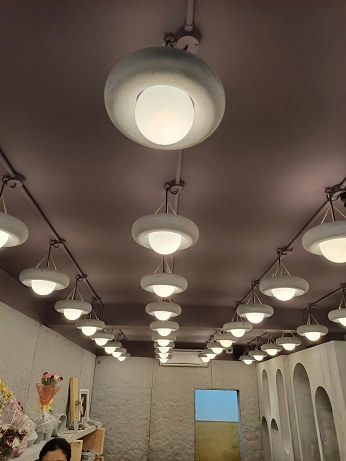
Finally, accent lighting adds depth and interest to a room by highlighting specific features such as artwork, architectural elements, or decorative items. This type of lighting often uses spotlights or track lighting to draw attention to focal points. Properly implemented, accent lighting can contribute to a warmer and more inviting atmosphere, enhancing the perceived brightness of the entire space.
When selecting lighting solutions, it is essential to consider how these different types can work together to complement natural light and provide adequate brightness during less sunny hours. Blending these lighting styles allows for a layered approach, which can transform any room into a brighter and more pleasant environment.
Incorporating Light Fabrics and Textures
One of the most effective ways to enhance the brightness of a room is through the strategic use of light-colored fabrics and textures. The interplay of light with these materials can significantly transform the ambiance. Light-colored curtains, rugs, and upholstery allow natural sunlight to reflect and bounce off surfaces, creating an inviting atmosphere that feels spacious and airy.
When selecting curtains, opting for sheer materials over heavy drapery is crucial for optimizing sunlight entry. Sheer fabrics, such as linen or cotton, provide the benefit of letting in diffused light while maintaining a level of privacy. Additionally, light fabrics are less obstructive than their darker counterparts, which tend to absorb light and create a heavier feel in the room. By choosing sheer curtains, homeowners can maximize the natural light available throughout the day, making the space appear brighter and more welcoming.
Rugs and upholstery also play a significant role in the overall brightness of a room. Light-colored rugs can help to reflect light rather than absorb it, contributing to a more luminous environment. In living areas or bedrooms, upholstery in colors like soft whites, pastels, or light grays can give the illusion of a larger space while remaining stylish and comfortable. Accessories, such as throw pillows and blankets, in complementary light colors can further enhance this effect, creating a cohesive and cheerful look.
In addition to color, texture can also influence the perception of brightness in a room. Incorporating a variety of light textures can create visual interest while bouncing light around the space. Soft, plush materials mixed with smoother, slick fabrics can bring depth and dynamic energy to the room. Ultimately, the careful selection of light fabrics and textures is a pivotal strategy in designing brighter living areas.
Arranging the Space for Maximum Light Flow
Arranging furniture thoughtfully is a key factor in maximizing light flow within any room. The layout not only impacts the aesthetics but also the space’s functionality and brightness. To achieve an inviting and well-lit environment, one should prioritize maintaining an unobstructed path for natural light to enter the space.
When selecting furniture, consider pieces that are low-profile. These can help maintain a spacious feel and allow light to penetrate deeper into the room. For instance, opting for a streamlined sofa or chairs with slender legs can create a sense of openness. Avoid bulky furniture that might obstruct windows or tightly pack the room, as this can stifle the flow of light.
Another essential aspect is the positioning of furniture in relation to windows. Whenever possible, avoid placing large pieces, like bookshelves or cabinets, directly in front of windows. This obstructs the light and diminishes the brightness of the space. Instead, position sofas or chairs at angles that expand sightlines to outdoor views, effectively inviting natural light into the room.
Utilizing mirrors can significantly enhance light flow. By strategically placing mirrors opposite windows, you can reflect natural light, scattering it across the room. This not only makes the area feel more illuminated but also creates an illusion of space and depth. Additionally, choosing light-colored furnishings and decor can amplify the overall brightness, as lighter tones reflect rather than absorb light.
Overall, an optimally arranged space that promotes light flow requires a balance of furniture selection, positioning, and decor choices. By being mindful of these elements, one can create a brighter ambiance in any room, transforming the living space into an inviting haven filled with natural illumination.
Keeping Windows Clean and Unobstructed
One of the most effective ways to enhance the brightness of any room is to maintain clean and unobstructed windows. Dirty windows can significantly diminish natural light, making spaces feel darker and less inviting. Therefore, adopting a regular window cleaning routine is essential for maximizing the natural light in your home.
To maintain sparkling clean windows, start by choosing an appropriate cleaning solution; a simple mixture of water and vinegar or a commercially available window cleaner may suffice. Use a microfiber cloth or a squeegee to apply the solution, ensuring you cover the entire surface, particularly in corners where dirt often accumulates. Clean windows not only allow more light to enter but also create a sense of freshness and clarity in your environment. For optimal results, aim to clean your windows at least twice a year, or more frequently in areas prone to dust and grime.
In addition to cleaning, it is crucial to ensure that your windows are unobstructed by both indoor and outdoor elements. Indoors, consider the placement of furniture and decorative items that may block window panels; curtains and blinds should also be retracted or replaced with lighter materials that allow light penetration. Outdoors, assess any landscaping or architectural features such as trees, shrubs, or fences that may obstruct sunlight. If possible, trim back overgrown bushes or relocate potted plants that block direct sunlight from entering through the windows.
By focusing on these strategies, you can significantly brighten your living spaces, creating a more welcoming and vibrant atmosphere in every room.
Adding Plants for Natural Light Enhancement
Integrating indoor plants into your living space can significantly enhance the perception of brightness and vitality. Plants have the remarkable ability to not only purify the air but also bring a lively essence that can elevate even the dullest of rooms. By strategically placing certain varieties of plants, you can create a vibrant atmosphere that harmonizes beautifully with the natural light filtering into your home.
Some of the best options for indoor plants include the Snake Plant, Peace Lily, and Pothos. The Snake Plant, for instance, is known for its resilience and adaptability, thriving in a range of light conditions. Its vertical growth habit can help draw the eye upwards, contributing to a sense of spaciousness while reflecting the available sunlight. Similarly, the Peace Lily, with its glossy leaves and white flowers, can flourish in low light but also benefits from brighter conditions. This adaptability allows it to boost the aesthetic appeal and light quality in any room.
Pothos, another popular choice, is a trailing plant that can create stunning cascading displays, further enhancing the interplay of light within the space. The leaves of Pothos can add depth and dimension, creating a soothing effect that makes a room feel more inviting. Accompanying these plants with proper light exposure amplifies their ability to brighten up a space naturally.
In addition to aesthetic benefits, the introduction of houseplants can have a calming influence, providing a refreshing contrast to artificial lighting while promoting well-being. By carefully choosing and caring for these plants, you can foster a warm and welcoming environment where natural light becomes an integral part of your living experience.
Personalizing with Reflective Decor Elements
Incorporating reflective decor elements into your home can significantly impact the brightness and overall ambiance of each room. Materials such as glass, mirrors, and metallic finishes are especially effective at enhancing light and creating a sense of spaciousness. These elements can bounce natural light around, making even darker spaces feel more luminous.
When selecting reflective decor, consider options like mirrored furniture, metallic light fixtures, and glass accessories. A large mirror placed strategically opposite a window can double the amount of light entering the room. Additionally, consider layering different sizes and shapes of mirrors; this variation can add depth and visual interest while optimizing the reflecting light effect. Decorative mirrors not only serve a functional purpose but also act as art pieces that can enhance the aesthetic of your space.
Metallic finishes, such as gold, silver, or copper, can also uplift the brightness of a room. Incorporate these finishes through statement decor items like vases, picture frames, or lamps. A metallic table lamp can reflect light and create a warm glow, while a gold-framed mirror might serve as a striking focal point that serves both form and function. The key is to strike a balance; selecting too many shiny elements can create a cluttered effect. Instead, choose a few standout pieces that complement your existing decor.
Glass accessories, such as crystal or transparent pieces, are another way to enhance light. Items like glass candle holders or bowls not only reflect light but can also catch and diffuse it throughout the space. Arranging these items thoughtfully on shelves or tables adds an elegant touch, ensuring they are both visually appealing and functional. By personalizing your space with these reflective decor elements, you can create a brighter, more inviting atmosphere in every room of your home.