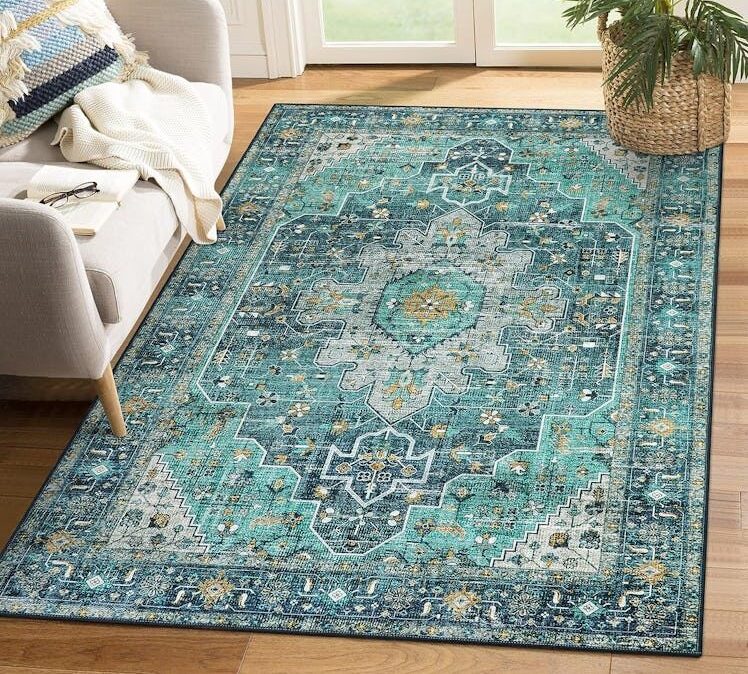
Understanding the Importance of Rugs in Home Decor
Rugs hold a crucial place in home decor as they offer both functional and aesthetic advantages. Historically, rugs have been integral to living spaces, serving not only as decorative elements but also as practical solutions for comfort and noise reduction. Their ability to define areas within larger spaces significantly contributes to the overall layout of a home, guiding movement and enhancing the purpose of each room.
One of the primary roles of a rug is to create a sense of warmth and comfort. Whether placed in a living room, bedroom, or hallway, rugs add an inviting layer to hard flooring, making environments more cozy and welcoming. This comfort extends beyond physical sensations; psychologically, beautifully designed rugs can invoke feelings of tranquility and homeliness.
Moreover, rugs can dramatically enhance the aesthetic appeal of a room. By introducing texture, color, and pattern, a well-chosen rug can act as a focal point, unifying the overall design scheme and complementing existing furnishings. Current trends emphasize the use of bold patterns and vibrant colors, enabling homeowners to express personal style and even make statements through their choice of rugs. Additionally, the pairing of various rug styles can create a layered, Bohemian look or embrace minimalistic principles, catering to diverse preferences.
Apart from their decorative features, rugs also play a pivotal role in setting the mood of a space. The transition between different textures and color palettes can profoundly influence how an area feels, thus affecting the emotional response of those who inhabit it. In selecting the right rug, individuals not only make a design choice but also contribute to the emotional landscape of their home, enhancing both functionality and aesthetic appeal.
Considering Your Space: Size and Layout
When selecting a rug for your home, understanding the dimensions of your space is crucial. The right rug can enhance the aesthetics of a room and influence the overall ambiance. To start, measure the area where you intend to place the rug. A common mistake is overlooking the scale of the room, which can lead to oversized or undersized rugs that do not harmonize with the existing layout. It is advisable to use measuring tape and draft a rough sketch of your room that includes the placement of furniture.
Furthermore, consider the flow of your space. A well-placed rug can serve as a visual anchor, guiding the eye and creating a sense of continuity throughout your home. For instance, in an open floor plan, rugs can delineate separate areas, such as a cozy reading nook or a dining space. To achieve this effect, ensure the rug is large enough to accommodate key furniture pieces. Ideally, the front legs of sofas and chairs should rest on the rug, which creates cohesion.
Room proportions also play a vital role in rug selection. In smaller rooms, opt for a rug that is proportionate to the size of the surrounding space, as a large rug can overwhelm the area, while a small one may appear lost. Conversely, in more spacious environments, larger rugs can fill the room and provide a sense of intimacy. Remember to take into account both the shape of the space—rectangular or square—and the shapes of your furniture to achieve a balanced look.
In conclusion, carefully measuring your room and understanding the layout and flow are essential steps in choosing the right rug. The right size and placement can significantly enhance your home’s aesthetic and functionality, making it a central element of your interior design.
Choosing the Right Material for Your Lifestyle
When selecting rugs for your home, the material is a crucial factor that can significantly influence the durability, maintenance, and comfort of the item, as well as its fit for your lifestyle. Various materials offer distinct advantages and considerations, making it essential to align your choice with your household dynamics.
Wool rugs are highly regarded for their durability and luxurious feel. They resist dirt and stains, making them suitable for high-traffic areas. Additionally, wool is naturally flame-resistant and provides thermal insulation. However, wool can be more expensive and may require specialized cleaning to maintain its appearance over time.
Cotton rugs are another viable option, particularly for those who prefer a softer, more casual aesthetic. These rugs are lightweight, easy to clean, and machine washable, making them an excellent choice for homes with children or pets. Nevertheless, cotton may not be as durable as wool, as it tends to wear down more quickly in high-traffic spaces.
Synthetic fibers, such as polypropylene and nylon, offer a variety of advantages, including affordability and versatility. These materials are resistant to stains, moisture, and fading, which makes them ideal for outdoor settings or areas exposed to sunlight. However, synthetic options may not provide the comfort or warmth that natural fibers can offer.
Natural fiber rugs, including jute or sisal, bring an organic, earthy touch to the decor. They are generally eco-friendly and add texture to a space. However, they can be challenging to clean and may not be suitable for moist environments, as they tend to absorb water and can become mildewed.
Ultimately, the best rug material for your home will depend on your specific needs and the lifestyle of your household. By considering the pros and cons of each material, you can make an informed decision that enhances your living space while accommodating your daily routine.
Style and Aesthetic: Determining Your Design Preferences
When selecting the perfect rug for your home, understanding your personal style is a crucial first step. Your design preferences not only reflect your personality but also set the tone for the entire space. Various styles, such as modern, traditional, bohemian, and minimalist, can serve as guiding frameworks in your rug selection.
Starting with modern aesthetics, these rugs typically feature geometric patterns and a clean color palette. If your home embraces sleek lines and contemporary furnishings, a modern rug can seamlessly integrate and enhance your overall decor. Choosing colors that match or complement your existing scheme will help create visual harmony.
On the opposite end, traditional rugs often carry ornate patterns and deep colors that evoke a sense of history and elegance. If your home is adorned with vintage furniture or classic design elements, selecting a traditional rug can add warmth and sophistication. Look for designs that resonate with your space, ensuring they reflect the historical essence you wish to convey.
For those who lean towards a bohemian style, the options are vast and varied. Bohemian rugs incorporate vibrant colors, intricate patterns, and textures that encourage a free-spirited vibe. They often mix different styles and can act as a bold statement piece in areas designed to be laid-back and inviting. This style allows for creativity, so selecting a rug that feels eclectic and unique is essential.
Minimalist preferences, on the other hand, favor simplicity and functionality. A rug with a neutral palette and simple design can enhance the aesthetic without overwhelming your space. Such choices tend to promote tranquility and focus, aligning well with a minimalist philosophy that prioritizes open space.
Ultimately, the key to selecting the right rug is to consider how these styles resonate with your taste and how they blend with your current decor. By identifying your personal aesthetic, you can confidently choose a rug that enhances your home, reflecting both your style and personality.
Color and Pattern: Making an Impact with Visuals
The choice of color and pattern in rugs can significantly influence the aesthetic appeal and psychological atmosphere of a room. Colors can evoke various emotions and can either energize or calm the environment. When selecting rug colors, it is crucial to consider the existing color palette of the room. A well-chosen rug can not only complement the decor but also accentuate it, helping to create a cohesive look. Light, neutral tones can lend a sense of spaciousness, while bold, vibrant colors may introduce excitement and warmth to the space.
Patterns in rugs also serve a vital role in visual dynamics. They can add depth and movement, leading the eye through the room. However, mixing patterns can be challenging; it requires a delicate balance to avoid a chaotic atmosphere. A good rule of thumb is to limit the number of different patterns used in a single space. When combining patterned rugs with other elements, consider using a common color to create a sense of unity. For instance, a striped rug might work well alongside floral cushions if both incorporate the same hues.
Furthermore, the scale of patterns can impact the perception of a room. Larger patterns can make a bold statement, while smaller patterns often suit more subtle applications. It is also helpful to think about the use of patterns in different rooms. A lively, geometric rug may be perfect for a playroom, while a subtle, textured design could be better suited for a tranquil bedroom. Ultimately, the effective use of color and pattern in rugs can transform a space, creating a harmonious and inviting environment for you and your guests.
Maintenance and Durability: Ensuring Longevity
When selecting the right rug for your home, considering maintenance and durability is crucial for ensuring its longevity. The choice of material plays a significant role in how easily a rug can be maintained. Natural fibers such as wool and cotton tend to be more durable and easier to clean than synthetic options, which can sometimes fade or wear out more quickly. Understanding the properties of different rug materials is essential in making an informed choice.
For instance, wool rugs are typically resilient and can handle traffic well while resisting stains. They are also naturally dirt-repellent, making daily upkeep a simpler task. On the other hand, synthetic rugs, such as those made from nylon or polyester, often boast stain resistance and easy maintenance, making them suitable for high-traffic areas or homes with pets and children. However, they may lack the longevity of wool or silk rugs, particularly in terms of appearance over time.
Proper care is vital for prolonging the life of any rug. Regular vacuuming helps remove dirt and debris that can wear down the fibers. For stains, prompt action is crucial; blotting, rather than rubbing, is advisable to lift marks without damaging the fibers. Periodically rotating the rug can also help prevent uneven wear from foot traffic.
Another aspect to consider is the environment in which the rug will be placed. Areas with high humidity levels may necessitate specific materials that resist mold and mildew. Rugs placed in sunlit areas may experience color fading over time, necessitating protective measures like UV-filtering window treatments.
In conclusion, the right choice of rug considers not only aesthetics but also maintenance and durability. By selecting appropriate materials and committing to proper care practices, homeowners can ensure their rugs remain beautiful and functional for years to come.
Budgeting for Your Perfect Rug
When selecting a rug for your home, budget considerations play a crucial role in ensuring your final choice aligns with both your aesthetic desires and practical needs. It is essential to approach rug purchasing with a clear understanding of various financial factors such as quality, material, size, and brand. These elements considerably influence the price range of rugs available in the market.
The first step in budgeting is determining how much you are willing to spend. Rug prices can vary dramatically; thus, setting a budget can help narrow your choices. Consider the material of the rug, as options like wool, silk, and synthetic fibers have different price points. High-quality materials often command higher prices but can provide better durability and comfort over time, making them a worthwhile investment.
Furthermore, size is a critical consideration; larger rugs will typically cost more than smaller ones. Measure the space where the rug will be placed to avoid purchasing a size that is either too big or too small, which could lead to wasted money. In addition, consider the rug’s intended use. A high-traffic area may require a more durable material that can withstand wear and tear.
Brand reputation also impacts pricing. Established brands may charge a premium for their rugs, reflecting their craftsmanship and quality. However, lesser-known brands can provide excellent options that deliver value without compromising quality. Researching different retailers is key; both online platforms and traditional stores can offer various options. Look for sales, discounts, and customer reviews to ensure you gain the best value for your investment.
Ultimately, a well-planned budget should strike a balance between cost and quality. Investing in a rug that meets both your decorative aspirations and functional requirements will enhance your living space and contribute to the overall comfort of your home.
Eco-Friendly Options: Sustainable Rug Choices
In recent years, there has been a growing trend towards eco-friendly and sustainable rugs, aligning with the increasing awareness of environmental issues. Consumers are becoming more conscientious about their purchases, seeking products that reduce environmental impact while maintaining style and functionality.
Choosing rugs made from natural materials such as wool, cotton, jute, or sisal can significantly reduce your home’s carbon footprint. These materials are biodegradable and often require fewer resources to produce compared to synthetic options. Moreover, rugs crafted from sustainable materials tend to be produced in more ethical conditions, benefiting both the environment and local communities.
Understanding certifications is crucial when searching for eco-friendly rugs. Certifications such as Global Organic Textile Standard (GOTS), OEKO-TEX, and Fair Trade are indicators that the product meets specific environmental and social criteria. These certifications ensure that the rugs are free from harmful substances, manufactured in safe working conditions, and produced in an environmentally responsible manner.
The impact of sustainable choices extends beyond personal satisfaction; it can help reduce waste and conserve resources. Opting for eco-friendly rugs not only contributes to a healthier home environment but also supports practices that promote sustainability on a larger scale. Additionally, many sustainable rug brands utilize processes that minimize air and water pollution during manufacturing.
When searching for eco-friendly options, consider looking for reputable brands that prioritize transparency in their practices. Conducting research on companies and their sourcing methods can guide you to manufacturers who are committed to sustainable production. Online reviews and consumer feedback can provide insight into the durability and performance of eco-friendly rugs, helping you make informed decisions. By choosing sustainable options, you can enhance your home while supporting a healthier planet.
Finalizing Your Choice: Where to Buy and What to Look For
When it comes to purchasing the ideal rug for your home, both online and physical retail spaces offer a plethora of options. It is essential to approach rug shopping with a clear understanding of where to buy and what factors to consider to ensure you make a sound investment. Online retailers such as Wayfair, Overstock, and Amazon provide extensive selections, often at competitive prices, allowing you to conveniently shop from the comfort of your home. Meanwhile, local stores like HomeGoods, Lowe’s, and specialty rug boutiques offer the advantage of seeing and feeling the rug before making a purchase.
During your quest, pay close attention to key considerations, which include return policies and warranties. It is advisable to select retailers that offer generous return options, allowing you to return or exchange the rug if it does not meet your expectations. Warranties can also indicate the quality of the rugs. Retailers that stand behind their products with warranties demonstrate confidence in their craftsmanship and materials.
Additionally, assessing rug quality is paramount. Look for rugs made from durable materials such as wool, cotton, or synthetic fibers that resist wear over time. When browsing in-store, examining the rug’s weave, thickness, and overall finish can provide insights into its longevity. For online purchases, read customer reviews or consult the product descriptions, which often include detailed information about the materials used, care instructions, and manufacturing processes.
In conclusion, careful consideration while finalizing your choice will ensure that you find not only the right style and design but also a rug that is functional and durable for your home. By focusing on reputable retailers and evaluating the quality of the rugs, you can achieve a successful purchase that enhances your living space.