


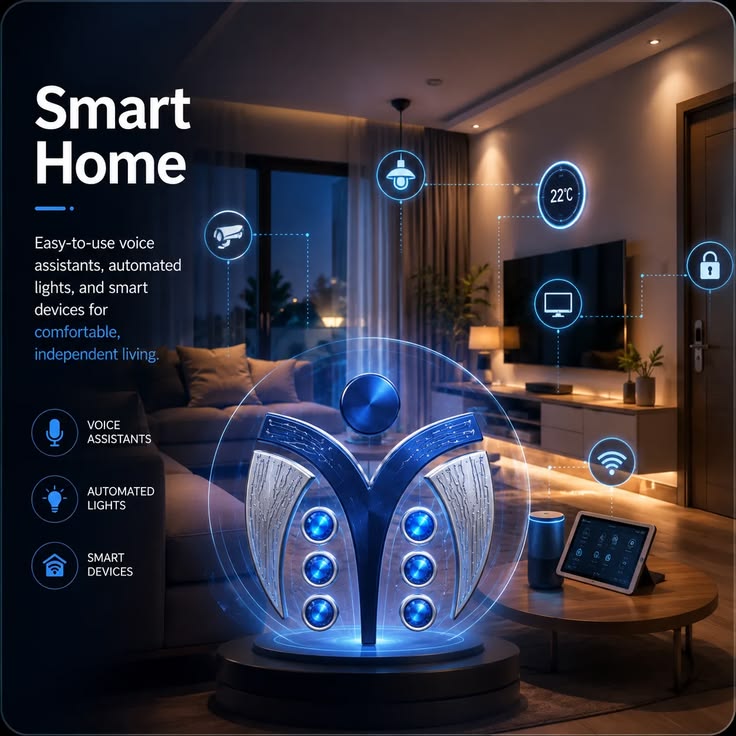
Introduction to Smart Home Technology
Smart home technology refers to a suite of devices and systems that connect to the internet, allowing for remote management and monitoring of various home functions. This technology has evolved significantly over the past decade, transforming from simple remote controls into sophisticated systems that integrate seamlessly with daily life. Homeowners now have the ability to control lighting, heating, security, and entertainment systems from their smartphones or laptops, providing unprecedented convenience and flexibility.
The popularity of smart home technology has surged in recent years, driven by advancements in IoT (Internet of Things) and an increasing awareness of energy efficiency. Modern homeowners are attracted to these innovations not only for the immediate benefits they offer but also for their ability to enhance overall quality of life. A smart home increases security through features like automated lighting and camera systems that can be monitored remotely. Additionally, programmable thermostats and energy-efficient appliances help families reduce their carbon footprint and lower utility bills.
Furthermore, the integration of voice-activated assistants into smart home devices has made it easier than ever to access and control functionality with minimal effort. Homeowners can simply speak commands to adjust the thermostat, turn off lights, or even control entertainment systems. This level of interaction elevates the user experience and fosters a sense of comfort and control within the home environment.
As the smart home market continues to expand, various gadgets are designed to enhance the smart home experience. From intelligent appliances to advanced security systems, the options available today cater to a wide array of homeowner preferences and requirements. This blog post will explore some of the best smart gadgets for modern homes and how these innovations can redefine living spaces.
Smart Lighting Solutions
In the era of modern homes, smart lighting solutions have gained immense popularity due to their convenience and efficiency. Numerous products on the market, such as smart bulbs, smart switches, and comprehensive lighting systems, allow users to control their home lighting remotely via smartphone applications or voice assistants. These advancements not only enhance user experience but also contribute significantly to energy saving and automation.
Smart bulbs, for instance, are perhaps the most recognized option among consumers. They allow for customizable lighting options, enabling users to adjust brightness and color through applications. This flexibility not only caters to various activities—ranging from entertainment to relaxation—but also promotes an adaptive environment that can suit different moods. Furthermore, smart bulbs often integrate seamlessly with home automation systems, offering synchronization with other smart devices for a smart home experience.
In addition to smart bulbs, smart switches provide an alternative solution for those looking to retrofit existing light fixtures. With smart switches, homeowners can transform standard light fixtures into intelligent systems by simply replacing the traditional switch. This option allows for centralized control of multiple lights, which can be particularly beneficial for larger spaces. Users can turn lights on or off, schedule activities, and create scenes that fit their lifestyle, all from their smartphones.
Another exciting aspect of smart lighting solutions is their compatibility with voice-activated assistants like Amazon Alexa or Google Assistant. This feature enables users to manage their lighting through simple voice commands, enhancing accessibility and convenience. As smart lighting technology continues to evolve, the benefits, including energy savings, personalized mood settings, and automation integration, exemplify how these devices are transforming modern living spaces.
Home Security Gadgets
In the pursuit of establishing a secure environment, modern homes are increasingly equipped with advanced home security gadgets. These devices not only bolster safety but also provide homeowners with the convenience of remote monitoring and control. Among the most popular are smart cameras, doorbell cameras, and motion sensors, each contributing uniquely to an overall security strategy.
Smart cameras have revolutionized home surveillance, allowing users to monitor their properties in real-time via smartphones or tablets. These cameras often feature high-definition video quality, night vision capabilities, and two-way audio, enabling effective communication and deterrence of potential intruders. Moreover, many smart cameras utilize artificial intelligence to distinguish between various types of movements, significantly reducing false alarms associated with pets or passing cars.
Doorbell cameras have also become a staple in modern home security. By integrating a camera with the functionality of a doorbell, users can easily see who is at their door before they choose to answer, enhancing safety during unexpected visits. Most doorbell cameras come equipped with features such as motion detection, video recording, and cloud storage options, providing comprehensive insight into daily activities around the home.
Motion sensors represent another critical component in a well-rounded security approach. They can be strategically placed around property entrances and vulnerable areas, triggering alerts or activating alarms when unexpected activity is detected. Many systems allow for customization of sensitivity levels, ensuring that homeowners receive notifications only when necessary, thus enhancing the practicality of these devices.
Ultimately, the integration of these smart security gadgets can create a cohesive and responsive security ecosystem. Homeowners can connect these devices to a central hub, enabling synchronized alerts and greater control over their security landscape, thus fostering peace of mind in an increasingly unpredictable world.
Smart Thermostats for Energy Efficiency
In recent years, smart thermostats have emerged as one of the most significant advancements in home automation technology, particularly in the realm of energy efficiency. These devices are designed to learn users’ temperature preferences over time, adjusting heating and cooling settings automatically to optimize comfort while minimizing energy waste. By utilizing sophisticated algorithms, smart thermostats can identify patterns in daily routines, making it possible to adjust the home climate based on when occupants are present or away.
One of the standout features of smart thermostats is the ability to control settings remotely through dedicated smartphone applications. This feature not only increases convenience but also promotes energy savings. For instance, if a user forgets to lower the thermostat before leaving home, they can easily make adjustments from their smartphone, ensuring that energy consumption is kept to a minimum. Many models also provide detailed reports on energy usage, helping homeowners track their habits and identify further savings opportunities.
When selecting a smart thermostat, homeowners should consider various models and their unique features. For example, some thermostats are compatible with smart home systems like Amazon Alexa or Google Assistant, allowing voice control capabilities. Others may include additional sensors that can detect occupancy or outdoor temperature, providing more detailed adjustments to the heating and cooling schedule. Consideration should also be given to the design and user interface of the thermostat, as ease of use can greatly enhance the overall experience.
In conclusion, incorporating a smart thermostat into the home can lead to considerable energy savings and enhanced comfort. By choosing the right model that fits specific needs, users can enjoy a more efficient and automated living environment, maximizing both convenience and eco-friendliness.
Voice Assistants and Smart Hubs
In the realm of modern smart homes, voice assistants and smart hubs play a pivotal role in consolidating control over various devices and enhancing the overall living experience. These sophisticated gadgets serve as central points from which users can manage their household systems efficiently, fostering an ecosystem of connectivity and automation.
Voice assistants, enabled by artificial intelligence, can recognize and respond to voice commands, allowing users to perform tasks effortlessly. Tasks such as adjusting the lighting, regulating the thermostat, or initiating home security protocols can all be executed through simple voice prompts. This integration not only streamlines daily routines but also promotes a hands-free approach to managing household chores, which can enhance convenience significantly.
Smart hubs, on the other hand, act as bridges that connect disparate devices across different ecosystems. Many smart gadgets, including smart bulbs, locks, and cameras, may operate on varying protocols. A smart hub consolidates these devices, enabling a seamless interaction between them. For instance, with a single command, a user could instruct the smart hub to lock the front door while turning off all the lights, effectively facilitating home management with a single centralized unit.
The compatibility of these voice assistants and smart hubs with various smart gadgets is critical. Leading manufacturers often ensure that their products integrate across ecosystems, enhancing user flexibility and choice. This compatibility enables consumers to adopt multiple smart gadgets without being confined to a single brand or platform, thus providing a personalized smart home experience tailored to unique preferences.
Ultimately, voice assistants and smart hubs stand at the forefront of modern home automation, functioning as indispensable tools that elevate convenience and control. By bridging various gadgets and automating daily tasks, they significantly contribute to the comfort and efficiency of contemporary living spaces.
Smart Appliances for Everyday Use
In the realm of modern living, smart appliances stand out as a pivotal element within the context of smart homes. These innovative devices now encompass a range of products, including refrigerators, ovens, and washing machines. By integrating connectivity and advanced technological features, smart appliances simplify household chores and enhance overall efficiency.
For example, smart refrigerators are now equipped with inventory management systems that allow users to track groceries in real-time via mobile apps. These devices can send alerts when items are running low, or even suggest recipes based on the current contents of the fridge. This not only minimizes food waste but also helps in planning meals more efficiently.
Smart ovens, on the other hand, can be remotely controlled, enabling users to preheat the oven while commuting home or adjust cooking times on-the-fly. With features such as precision cooking and integration with digital assistants, these ovens ensure that meals are cooked perfectly every time, contributing to a more seamless cooking experience.
The convenience extends into the laundry room, where smart washers and dryers now offer features like app notifications when a cycle is complete, and the ability to monitor water usage and energy efficiency. These machines not only optimize the laundry process but also promote sustainable living through better resource management.
Overall, the evolution of smart appliances is impressive; they offer practical solutions that integrate seamlessly into daily life, making them indispensable for homeowners aiming for a simplified and efficient lifestyle. By incorporating these advanced devices, individuals can enjoy a more connected and responsive home environment, ultimately redefining comfort and convenience in the modern household.
Smart Entertainment Systems
In today’s modern homes, smart entertainment systems play a crucial role in enhancing the viewing experience and integrating flawlessly with other smart technologies. With the advent of smart TVs, streaming devices, and sound systems, the way we consume content has dramatically transformed. Smart TVs, equipped with internet connectivity and built-in applications, allow users to access a plethora of services, such as Netflix, Hulu, and YouTube, all from a single device. This convenience is a game-changer for entertainment enthusiasts.
Furthermore, streaming devices like Roku, Amazon Fire TV, and Apple TV have revolutionized how content is delivered to our screens. These devices make it seamless to stream high-definition content and offer personalized recommendations based on viewing habits. The integration of voice assistants, such as Amazon Alexa or Google Assistant, enhances user interaction, enabling voice commands to control playback, switch channels, and even manage home automation systems.
Moreover, smart sound systems offer another layer of immersion to the entertainment experience. With technologies like Dolby Atmos, consumers can enjoy a theater-like sound experience right in their living rooms. These systems can connect wirelessly to smart TVs and streaming devices, allowing for a tidy and unobtrusive setup while delivering high-fidelity audio.
The beauty of modern smart entertainment systems lies in their capacity for customization. Users can tailor their setups to their preferences, whether that involves choosing a certain streaming service, adjusting sound settings, or syncing multiple devices to create a unified entertainment hub. The integration of these technologies not only streamlines the user experience but also enhances the enjoyment of movies, shows, and music in ways that were previously unimaginable.
Health and Wellness Gadgets
In an increasingly health-conscious society, smart gadgets have become vital tools for enhancing personal wellness and fostering healthier living environments. One of the prominent innovations in this domain is the smart fitness tracker. These devices are equipped with sensors that monitor various health metrics, including heart rate, steps taken, and calories burned. By providing real-time data, fitness trackers assist users in setting and achieving their fitness goals, thereby promoting an active lifestyle.
Another important category of health and wellness gadgets comprises air purifiers. Given the rise in pollution levels, maintaining indoor air quality is crucial for overall well-being. Smart air purifiers are designed to detect and filter out harmful particles and allergens from the air. Many of them come with additional features such as automatic sensors that adjust settings based on air quality readings, as well as smartphone connectivity that allows users to monitor air quality remotely. Utilizing these devices enhances the living environment, making it healthier to breathe and reducing the risk of respiratory issues.
Water quality monitors are also becoming essential tools for maintaining health in modern homes. These gadgets assess the purity of drinking water and identify contaminants such as lead or bacteria. With real-time monitoring, users are alerted to any changes in water quality, ensuring that they have access to safe drinking water at all times. Additionally, many water quality monitors integrate with smartphone applications to provide users with insights into their water usage and quality trends over time.
Collectively, health and wellness gadgets not only empower individuals to take charge of their health but also contribute to creating a safer and cleaner living environment. Incorporating these smart devices into home routines can significantly enhance one’s quality of life.
Future Trends in Smart Home Technology
As we look toward the future, smart home technology is set to witness significant advancements that promise to enhance the functionality and convenience of modern living spaces. One of the most notable trends is the increasing integration of artificial intelligence (AI) and machine learning into smart gadgets. This evolution will allow devices not only to perform their designated tasks but also to learn from user behaviors and preferences, making them more intuitive and autonomous. Imagine a home where appliances adjust their settings automatically based on previous usage patterns, thereby optimizing energy consumption and improving overall efficiency.
Additionally, there is a growing emphasis on sustainability within smart technology. As environmental concerns become more pressing, the development of devices that operate on renewable energy sources or contribute to energy saving becomes paramount. Manufacturers are now designing gadgets that not only enhance user experience but also prioritize eco-friendliness. This trend could lead to the creation of smart home systems that effectively manage energy usage, reduce waste, and promote sustainable living.
Moreover, enhanced interconnectivity among smart devices is anticipated. With the rise of the Internet of Things (IoT), smart gadgets are increasingly able to communicate with one another seamlessly. This interconnectedness allows for the creation of sophisticated home automation systems that can be controlled via a central hub. As protocols and standards evolve, users will likely witness greater compatibility between various brands and devices, fostering a cohesive ecosystem within modern homes.
In conclusion, the future of smart home technology is poised for remarkable changes, driven by advancements in AI, emphasis on sustainability, and improved device interconnectivity. This evolution will not only reshape individual gadgets but also redefine what it means to live in a modern, technology-driven home.