


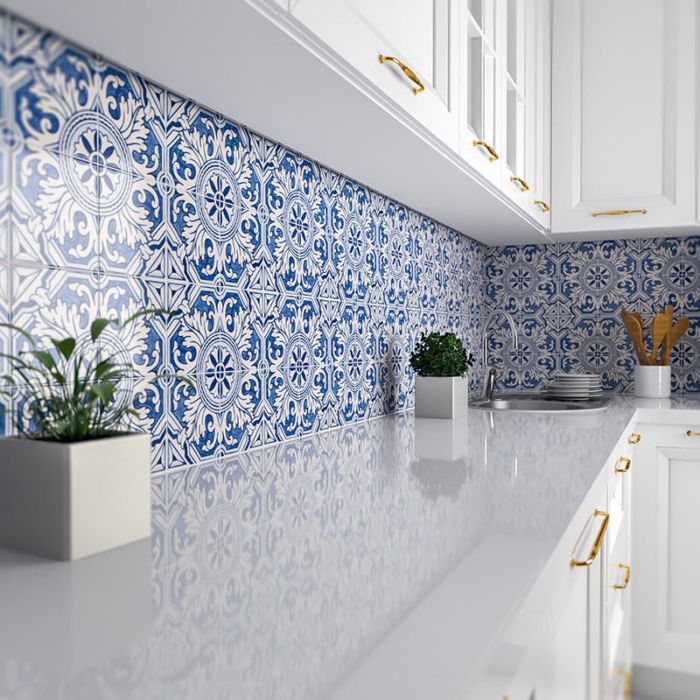
Introduction to Kitchen Backsplashes
A kitchen backsplash is an essential design feature that serves both functional and aesthetic purposes. Positioned between the countertop and upper cabinets, backsplashes play a critical role in safeguarding walls from everyday kitchen messes such as spills, stains, and splatters. Without this protective barrier, walls would be susceptible to damage from cooking activities, leading to an unwelcome accumulation of grime and an increased need for maintenance.
Beyond their protective qualities, kitchen backsplashes significantly contribute to the overall style and character of the kitchen. They are often one of the most noticeable elements in kitchen design, providing an opportunity for homeowners to express their personal taste. Various materials, colors, and patterns can be employed, allowing for a multitude of design combinations — from sleek and modern to rustic and traditional.
The choice of backsplash material can influence the kitchen’s ambiance. For instance, a glossy ceramic tile may create a contemporary and polished look, while natural stone such as granite or marble can impart a sense of luxury and warmth. Additionally, the installation of a textured backsplash can add depth, contributing to the tactile experience of the kitchen space.
Moreover, backsplashes allow for creativity, as homeowners can incorporate mosaics or unique motifs to enhance visual interest. Hence, not only does the kitchen backsplash function practically to protect against damage, but it also elevates the design aesthetic, creating a cohesive workspace that reflects the homeowner’s style. In the following sections, we will explore various materials that can be utilized for kitchen backsplashes, helping to make an informed choice for your design needs.
Characteristics of Ideal Backsplash Materials
Choosing the right materials for a kitchen backsplash is essential for both functionality and aesthetic appeal. An ideal backsplash should exhibit several key characteristics that contribute to its longevity and performance within the bustling kitchen environment.
Firstly, durability stands out as a paramount trait. Kitchen backsplashes are often exposed to splashes, spills, and scrapes. Therefore, materials such as porcelain tile, glass, or stainless steel are often preferred for their ability to withstand wear over time. These materials do not easily chip, crack, or show signs of aging, making them suitable for high-traffic areas.
Another important aspect is maintenance. For a backsplash to be functional, it should not require excessive care. Materials that are easy to clean and resistant to stains are ideal. For example, sealed natural stone or glazed ceramic tiles tend to allow for easy wiping without absorbing liquids, thus maintaining hygiene.
Moisture resistance is also critical. Given that the kitchen is often humid due to cooking, it is crucial to select materials that do not absorb moisture, which can lead to mold and mildew growth. Porcelain and glass tiles are particularly advantageous because they do not harbor moisture and can be cleaned effectively.
Furthermore, heat resistance is a vital characteristic, especially near cooking surfaces. Materials like ceramic, glazed tiles, and metal can endure high temperatures without damage or deformation, making them reliable choices for areas behind stovetops.
Lastly, design versatility cannot be overlooked when selecting backsplash materials. They should complement the overall kitchen design while offering various styles, colors, and textures. This flexibility allows homeowners to express their unique taste while adhering to practical needs.
Ceramic Tile: A Timeless Favorite
Ceramic tile has long been a favored choice for kitchen backsplashes, admired for its aesthetic appeal and functional qualities. One of the primary advantages of ceramic tiles is the vast array of colors, patterns, and designs available. Whether one prefers a classic white subway tile or a bold mosaic, there exists a ceramic option that can enhance any kitchen decor. This versatility allows homeowners to customize their spaces deeply, aligning the backsplash with their personal style and overall kitchen theme.
In addition to aesthetic diversity, ceramic tile offers remarkable durability and ease of maintenance. The non-porous surface of ceramic tiles makes them resistant to stains, which is essential in a kitchen environment where spills are common. This quality contributes to their practicality as a backsplash material, as a simple wipe-down can keep the surface looking pristine. Furthermore, ceramics are resistant to heat, making them suitable for areas behind stovetops where high temperatures may be a concern.
Cost-effectiveness is another advantage of ceramic tiles. Available in a broad price range, ceramic options can fit various budgets while still providing a high-quality finish. Homeowners can select economical tiles that replicate the look of more expensive materials without sacrificing style. Though the cost can accumulate during installation, considering the longevity and minimal upkeep associated with ceramic tile can justify the investment.
However, potential drawbacks include grout maintenance. While grout enhances the beauty of ceramic tile installations, it can require regular cleaning and sealing to prevent staining and mold growth. Thus, it is crucial for homeowners to plan for this upkeep when considering ceramic tiles for their kitchen backsplash.
Glass Tiles: Modern and Sleek
Glass tiles are increasingly becoming a popular choice for kitchen backsplashes due to their modern aesthetic appeal and sleek design. One of the most notable features of glass tiles is their glossy surface, which not only adds a touch of elegance but also enhances the overall brightness of the kitchen. The reflective qualities of these tiles allow them to bounce light around the space, creating an illusion of a larger area, which is particularly beneficial in smaller kitchens.
When considering glass tiles, one of the main advantages is the ease of installation. Unlike some materials that require extensive preparation and labor, glass tiles can often be adhered directly to the wall, making them a favored option for both DIY enthusiasts and professional installers. Their lightweight nature also contributes to simpler handling and faster installation times. Additionally, these tiles come in a variety of colors, shapes, and patterns, allowing homeowners to customize their kitchens according to personal taste and current design trends.
Despite their many benefits, it is important to acknowledge potential drawbacks associated with glass tiles. One such concern is their susceptibility to chips and scratches, especially in high-traffic areas of the kitchen. Homeowners who opt for glass tiles as their backsplash must take care to select high-quality materials and potentially reinforce them with additional protective measures. Moreover, maintenance is key; while glass tiles are relatively easy to clean, it is essential to avoid abrasive cleaners that could damage the surface.
Overall, glass tiles present a stylish and practical option for those looking to enhance their kitchen spaces. Their modern aesthetic, combined with ease of installation, makes them an attractive choice, while appropriate care can mitigate any concerns regarding durability.
Natural Stone: Luxury and Elegance
When it comes to kitchen backsplashes, natural stone stands out as a symbol of luxury and elegance, with options including granite, marble, and slate. Each of these materials not only brings beauty but also unique characteristics that can enhance the aesthetic of a kitchen. Granite is particularly renowned for its durability, making it an excellent choice for areas that encounter heat and moisture. Its resistance to scratches and stains ensures that it maintains its luster over time, while a vast array of colors and patterns allows homeowners to find the perfect match for their design vision.
Marble, on the other hand, is synonymous with timeless luxury. The veining and rich colors of marble create a stunning backdrop that can elevate the overall style of the kitchen. However, it’s important to note that marble is more porous than granite, requiring regular sealing to prevent staining and etching. Despite these maintenance needs, the exquisite appearance of marble often makes the extra care worthwhile for those looking to invest in a high-end kitchen design.
Slate is another excellent choice; offering a more rustic look, it is highly appreciated for its natural cleft surface and rich tones. Slate is also highly durable and offers great functionality as a backsplash material due to its resistance to heat and moisture. However, like the other natural stone options, slate may require occasional maintenance to keep it looking its best.
While the initial cost of natural stone backsplashes can be higher than other materials, the long-term value, durability, and aesthetic appeal justify the investment in many cases. For homeowners looking to create a stylish and practical kitchen, natural stone options present a compelling choice, blending both luxury and functionality seamlessly.
Subway Tiles: Classic Meets Versatile
Subway tiles, characterized by their rectangular shape and glossy finish, have established a prominent place in modern kitchen design. Originally made popular in the early 20th century for use in New York City subway stations, these tiles today symbolize a blend of classic elegance and versatile functionality in home interiors. Their timeless aesthetic makes them suitable for a variety of kitchen styles, ranging from traditional to contemporary.
One of the key advantages of subway tiles is their adaptability in installation patterns. While a straightforward grid pattern remains the most common and traditional choice, creativity can be applied through various layouts such as herringbone, offset, or stacked formations. These innovative arrangements can enhance visual interest and add unique flair to a kitchen backsplash. Furthermore, the orientation of the tiles can significantly affect the perception of space; vertical applications can create an impression of height, while a horizontal layout can help in broader appearances.
Color options for subway tiles are virtually limitless, providing homeowners with a canvas to express personality and style. Traditional white and off-whites remain popular choices, yet bold colors, matte finishes, or even textured surfaces are gaining traction, allowing for personalized designs that stand out. In addition, grout color can significantly influence the overall aesthetic, adding to the depth and contrast of the installation.
The enduring appeal of subway tiles lies in their ability to seamlessly integrate with other kitchen elements. Whether paired with sleek cabinetry, intricate countertops, or rustic accents, they enhance the overall decor while standing as a style statement in their own right. In essence, subway tiles are a multifaceted option that meets contemporary demands while retaining classic charm, making them an enduring choice for kitchen backsplashes.
Metal Backsplashes: Innovative and Industrial
Metal backsplashes have gained popularity in contemporary kitchen designs due to their modern aesthetic and functional benefits. Among the various options available, stainless steel and copper are two standout materials, each offering unique characteristics that enhance any kitchen space.
Stainless steel backsplashes are particularly favored for their sleek, reflective quality that brightens up a room. The shiny surface reflects natural and artificial light, creating a sense of openness in the kitchen. Additionally, stainless steel is remarkably durable; it resists heat, stains, and moisture, making it an ideal choice for areas exposed to cooking splatters and steam. Maintenance is straightforward, as it can be easily wiped down with a damp cloth and mild detergent, ensuring that it retains its lustrous appearance over time.
Copper backsplashes, while a bit more traditional, offer a warm, inviting glow and are often selected for their unique patina that develops with age. This evolving characteristic allows homeowners to enjoy a beautiful blend of style and history as the copper ages. Although copper requires a bit more upkeep—periodically polishing to maintain its shine and prevent tarnish—it rewards users with a striking visual impact that truly personalizes the kitchen.
However, when considering metal material for backsplashes, it is essential to keep in mind their susceptibility to denting and scratching. Stainless steel, while resilient, can be scratched by abrasive materials, and copper, though ductile, can be dented if not handled carefully. Therefore, homeowners should weigh the pros and cons based on their lifestyle and kitchen activities when opting for these innovative materials.
Wood Backsplashes: Rustic Charm
Wood backsplashes offer a unique and warm aesthetic that can infuse any kitchen with a rustic charm that is often sought after in home design. The use of wood in kitchen backsplashes brings a sense of nature inside, complementing various decor styles from traditional to modern farmhouse. Popular types of wood suitable for backsplashes include hardwoods such as maple, oak, and walnut, each offering distinct grain patterns and color tones. Softwoods like pine or cedar can be considered as well, particularly when a lighter or more casual appearance is desired.
One of the crucial considerations when selecting wood for a backsplash is moisture resistance. While wood naturally has a level of resilience, treatment options are available to enhance its durability against humidity and spills, which are commonplace in kitchen environments. Sealants and finishes, such as polyurethane or water-resistant oils, are effective in providing a protective layer that combats the effects of moisture and heat. Regular maintenance, including periodic resealing, is essential to preserve the wood’s appearance and functionality over time.
Beyond practical considerations, the appeal of wood backsplashes lies in their ability to create a warm and inviting atmosphere. The organic textures and rich colors of wood can serve as a stunning focal point in the kitchen, often pairing beautifully with stone countertops and stainless-steel appliances. In addition, the versatility of wood allows it to suit a variety of design themes, making it an attractive choice for homeowners aiming to achieve a cozy and rustic look in their cooking spaces. Incorporating wood into your kitchen design can result in a timeless elegance that elevates the overall aesthetic, making it a worthy consideration for any remodel or new build.
Making the Right Choice for Your Kitchen
Choosing the right backsplash material for your kitchen is a crucial decision that combines aesthetics, practicality, and budget considerations. With an abundance of options available, it becomes essential to take a structured approach to ensure the selected material enhances not only the visual appeal of your kitchen but also meets its functional requirements.
First, assessing your personal style and existing kitchen theme is paramount. Whether you lean towards a contemporary, rustic, or traditional look, the backsplash should complement your overall design. For example, sleek glass tiles might suit a modern kitchen, while patterned ceramic tiles can enhance a farmhouse atmosphere. Take the time to explore various materials and colors, aligning them with your initial vision.
Your budget plays a significant role in the decision-making process. Backsplash materials can vary widely in price, influencing your options. It is advisable to establish a budgetary range before you start considering specific materials. Understand not only the cost of the materials themselves but also any additional expenses incurred during installation, such as labor or necessary tools, to gain a complete picture of your investment.
Lastly, consider the practical aspects of the material. Factors such as ease of cleaning, durability, and maintenance requirements should weigh heavily in your choice. For instance, materials like stainless steel and ceramic are renowned for their easy maintenance, making them excellent choices for a busy kitchen environment. In contrast, natural stone may require more upkeep but can offer breathtaking aesthetic appeal.
Ultimately, making an informed choice when selecting your kitchen backsplash will lead to a satisfying outcome that enhances both the beauty and functionality of your space.