


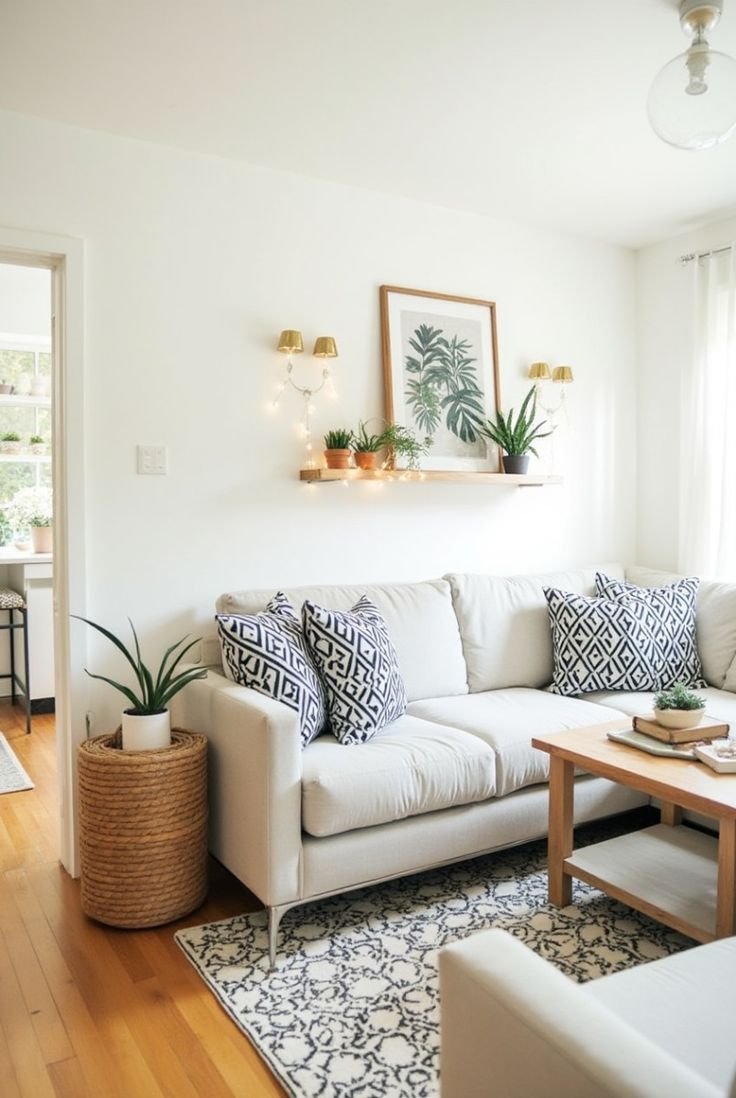
Understanding Rental Restrictions
When entering into a rental agreement, it is essential to familiarize yourself with the specific restrictions that may impact your ability to decorate the space. Rental agreements often include clauses that prohibit tenants from making significant alterations to the property, which can include painting walls, installing fixtures, or altering landscaping. These restrictions are typically put in place to maintain the property’s integrity and appearance throughout various tenancies.
To navigate these limitations effectively, it is advisable for renters to carefully review their lease agreement before embarking on any decorating endeavors. The lease will outline the do’s and don’ts regarding alterations and highlight the landlord’s expectations. In many cases, landlords may have stringent policies against even minor changes; therefore, understanding these terms is crucial to avoid potential conflicts or penalties.
Nevertheless, open communication with your landlord can often lead to more flexible decorating options. Many landlords appreciate when tenants approach them with requests to personalize their space, particularly if the changes are reversible and do not damage the property. For instance, discussing the possibility of painting a room or hanging artwork can sometimes yield positive outcomes if the tenant provides assurances that the original condition will be restored upon moving out.
Additionally, focusing on temporary decor solutions is a pragmatic approach for renters. Items such as removable wallpaper, adhesive hooks, or even creative furniture arrangements can significantly enhance a rental without violating the lease terms. These methods allow tenants to put their unique stamp on their living space while adhering to the landlord’s regulations. As a result, understanding and navigating rental restrictions, alongside clear communication and creative adaptation, can lead to a more personalized and enjoyable living environment.
Focusing on Temporary Solutions
When it comes to decorating rental homes, one of the primary concerns is ensuring that any alterations made do not lead to the forfeiture of security deposits or breach lease agreements. As such, utilizing temporary decorating solutions is an ideal strategy for renters aiming to create a personalized and stylish living environment.
One popular option is removable wallpaper, which can dramatically transform the ambiance of a room without the commitment of traditional wallpaper. This product is designed to peel away easily and does not damage the walls when it is time to move out. It comes in a variety of patterns and colors, allowing renters to express their style while maintaining the property’s original look.
In addition to removable wallpaper, peel-and-stick tiles present an innovative solution for renters looking to enhance floors and backsplashes. These tiles are an excellent choice for kitchens and bathrooms, as they can mimic the appearance of more permanent options like ceramic or stone. The installation process is straightforward—simply peel off the backing and adhere to the surface—making it a perfect short-term solution.
Another area of focus is window treatments. Traditional curtains can often require drilling into walls, which is not advisable in a rental situation. Instead, temporary window treatments like tension rods and adhesive hooks allow renters to hang curtains without causing damage. Additionally, options such as fabric panel shades or clip-on shades offer both functionality and aesthetic appeal.
Utilizing these temporary decorating solutions not only enhances the style of rental homes but also provides flexibility. Renters can change their decor frequently without the fear of causing irreversible damage. This approach enables individuals to take ownership of their living spaces, all while maintaining compliance with rental agreements.
Choosing the Right Color Palette
Selecting an appropriate color palette is crucial when decorating a rental home. A well-coordinated color scheme can transform a space significantly, creating a cohesive and inviting atmosphere. Begin by evaluating the existing colors in your rental, such as wall paint, flooring, and larger furniture items. These foundational elements will guide your color choices and help ensure harmony throughout the space.
When aiming for a harmonious atmosphere, consider using neutral colors as your base. Shades of beige, gray, or soft whites can serve as a calming backdrop, allowing you to incorporate bolder accent colors without overwhelming the senses. This approach tends to create a sophisticated ambiance and gives you the flexibility to switch out accessories effortlessly, reflecting your evolving style and preferences.
Alternatively, if you want to introduce a more dynamic feel, don’t shy away from choosing vibrant colors. Accent walls painted in deep hues or striking colors can make a statement and provide depth. However, it’s essential to balance these bold choices with softer hues in your furnishings and décor. For instance, if you have an emerald green accent wall, pairing it with lighter fabrics and decor items can maintain a sense of equilibrium.
Finally, accessories play a vital role in conveying personality. Integrate items such as paintings, pillows, and rugs that align with your overall color palette. This allows you to inject character into your rental home without making permanent changes. By carefully selecting shades and utilizing accessories, you can create a space that feels both personalized and cohesive, making your rental feel more like a home.
Maximizing Space with Smart Furniture Choices
When decorating rental homes, especially smaller apartments, the selection of furniture becomes crucial for creating a functional yet stylish living space. Opting for smart furniture choices can significantly help maximize available areas, ensuring that every square foot is utilized efficiently. One of the best strategies involves incorporating multi-functional furniture that serves multiple purposes. For instance, a sofa bed can transform a living room into a guest sleeping area, while an ottoman with storage can provide seating and discrete space for keeping belongings organized.
In addition to multi-functional options, modular furniture is another excellent choice for rental properties. This type of furniture can be reconfigured easily to adapt to different layouts or needs, making it ideal for renters who may change their room arrangements often. For example, a modular shelving unit can be adjusted in height and width, fitting perfectly into varying spaces while offering both storage and display capabilities.
Space-saving designs are also essential when considering furniture for small apartments. Look for pieces that are sleek and lightweight; this allows for easier movement when rearranging or cleaning without sacrificing functionality. Wall-mounted desks and foldable dining tables are prime examples of space-saving designs that can enhance a rental home’s aesthetics without overwhelming the area.
In short, prioritizing smart furniture choices such as multi-functional, modular, and space-saving pieces is an effective way to maximize the living space in rental homes. By integrating these types of furniture, individuals can create a harmonious balance between style and practicality, ultimately leading to a more enjoyable and organized living environment.
Incorporating Personal Touches
Decorating a rental home can present unique challenges, particularly when it comes to making the space truly feel like one’s own. One effective approach is to incorporate personal touches that reflect the occupant’s personality and interests. This can be achieved through various means, starting with the display of personal art. Whether it is a painting created by a friend or a photograph from a memorable vacation, showcasing such artwork can add character to the space and spark conversations.
Additionally, using family heirlooms as decor not only adds a unique touch but also creates connections to heritage and history. Items passed down through generations, such as vintage furniture pieces, quilts, or ceramic dishes, serve as tangible links to familial stories, enriching the environment with sentiment and warmth. Positioning these items strategically throughout the rental can create focal points, making the space feel more personalized and inviting.
Incorporating sentimental items is another valuable strategy for enhancing the decor of a rented home. This could include cherished gifts from loved ones, travel souvenirs, or even books that hold personal significance. These elements not only provide visual interest but also provoke memories and emotions tied to their origin. Arranging these personal items on shelves, coffee tables, or walls can create a cohesive narrative that makes the rental feel more lived-in and genuine.
Ultimately, the key to transforming a rental property into a warm and welcoming home is through the intentional incorporation of personal elements. By combining art, heirlooms, and sentiment-driven decor, inhabitants can cultivate a space that resonates with their identity and experiences, making it feel distinctively theirs.
Utilizing Lighting to Enhance Ambiance
Lighting plays a critical role in shaping the ambiance of any space, and rental homes are no exception. By incorporating various lighting options strategically, tenants can transform their living environment without making permanent changes. A well-lit room can evoke emotion, create a welcoming atmosphere, and influence the functionality of a space.
One effective way to enhance ambiance is through the use of floor lamps. These versatile fixtures can be placed in corners or beside seating areas to provide both task and soft ambient lighting. They come in various styles, from modern to vintage, and can serve as a statement piece in a room. Consider adjustable floor lamps that allow you to direct light where it is needed most, particularly in work or reading areas.
Another popular choice for illuminating rental spaces is string lights. These decorative lights can be hung across walls, ceilings, or even draped around furniture to add a warm, inviting glow. String lights are available in various forms, including fairy lights that create a whimsical feel or industrial bulbs that provide a more modern look. Their versatility makes them suitable for both indoor and outdoor spaces, enhancing the overall atmosphere during gatherings or quiet evenings.
Table lamps also play a vital role in setting the mood. By strategically placing them on desks, nightstands, or side tables, they can offer localized lighting that adds to the overall decor. Choose lamps that reflect personal style, such as minimalist designs for a contemporary feel or ornate pieces for a more traditional decor.
Incorporating these lighting elements can significantly enhance a rental home’s ambiance, making it feel more personal and inviting while adhering to the limitations set by rental agreements. The right combination of lighting options can transform any space into a cozy retreat that meets practical needs and aesthetic preferences.
Greenery and Nature: Adding Life to Your Space
Incorporating plants into your rental home decor is an effective way to infuse life and vibrancy into your space. Greenery not only enhances the aesthetic appeal of a room but also brings numerous psychological benefits. Research suggests that having plants in your environment can improve your mood, increase feelings of well-being, and even enhance productivity.
When selecting plants, it is crucial to opt for low-maintenance varieties, especially for those with busy lifestyles. Among the most suitable options are succulents, snake plants, and pothos. These plants thrive with minimal care, requiring infrequent watering and adaptable to varying light conditions. By choosing easy-to-care-for greenery, you can incorporate nature into your rental home without the stress of extensive upkeep.
Creative display methods can significantly influence the perception of your space. Utilize plant hangers to bring life to ceilings, or place taller plants in corners to draw the eye upward, making the room feel larger. Wall-mounted planters or shelves can also be both functional and decorative, allowing you to showcase smaller plants while saving floor space. Consider grouping plants of varying heights and textures to create a more dynamic visual effect.
Integrating nature into your rental home serves not only to beautify your environment but also to enrich your overall living experience. The presence of plants can create a more inviting atmosphere, whether you’re hosting friends or spending a quiet evening at home. Additionally, studies have shown that surrounding oneself with nature—even artificial representations like photos or paintings—can yield similar benefits, showcasing the importance of bringing the outdoors inside.
Accessorizing for Style and Functionality
When decorating a rental home, the right accessories can significantly enhance both the style and functionality of a space. These elements serve various purposes, from adding a pop of color to providing comfort and practicality. By thoughtfully incorporating accessories, renters can create a personalized ambiance that reflects their unique taste while adhering to the limitations of a rental space.
Throw pillows, for example, are a simple yet effective way to introduce texture and color. Available in various patterns and materials, they can soften furniture and provide comfort. Selecting different shapes and sizes allows for versatility, enabling renters to easily update their decor as trends change or seasons shift. Moreover, utilizing pillow covers can make it easier to switch out designs, promoting eco-friendliness and cost-effectiveness.
Rugs also play a crucial role in defining spaces within an open floor plan, helping to demarcate areas such as living and dining zones. A well-chosen rug can add warmth and comfort, as well as contribute to the aesthetic value of the room. Opting for a durable and washable rug is a practical choice, especially in high-use areas.
Artwork and mirrors serve to enhance visual appeal and functionality. Art pieces can infuse personality into the decor, with options ranging from framed prints to canvas artwork. Meanwhile, mirrors are excellent for creating the illusion of space and adding light. A strategically placed mirror can reflect natural light, making a room feel brighter and larger.
In essence, accessories are not mere decorative items; they are pivotal in crafting an elegant, stylish, and functional rental home. By carefully selecting and incorporating these elements, renters can transform their living spaces into reflections of their personality while maintaining practicality.
Planning for Future Moves
When decorating a rental home, it is paramount to consider the prospect of future moves. Since many renters frequently relocate, strategic planning can significantly simplify this process. One of the primary recommendations is to opt for versatile furniture and decor pieces. Select items that can seamlessly transition between various interior styles and accommodate different spatial layouts. For instance, modular furniture can be rearranged and adapted to fit a new configuration, making it an excellent choice for renters who plan to move often.
Moreover, when making decor choices, it is vital to ensure that these selections are easy to transport. Lightweight materials and collapsible designs are useful attributes to seek in furniture. This not only reduces transportation costs but also minimizes the stress associated with packing and unpacking. Choosing decor that is not overly large or cumbersome can further ease the moving process.
Additionally, consider the longevity of your decor items. Choosing timeless pieces, such as neutral rugs or classic lamps, ensures that these elements will work well in various settings. Similarly, artwork that can complement different color palettes and styles will remain relevant, regardless of your next rental’s interior design scheme.
Another tip is to utilize wall-mounted solutions for storage and decor, which can be easily removed and reinstalled without causing significant damage to the walls. This not only maximizes space but also allows for flexibility in your decorating approach. Remember, thoughtful planning in terms of furniture selection and decor can contribute significantly to a smoother transition from one rental home to the next.
In conclusion, by taking the time to choose adaptable and transportable items, renters can create a harmonious living environment that will accommodate future moves with ease. These considerations will lead to a more enjoyable renting experience.