


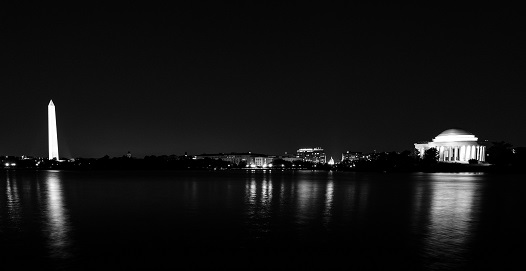
The Washington Politics landscape in D.C., has been significantly altered by a series of recent events that have captured national attention. These occurrences range from legislative decisions to public demonstrations that reflect a growing divergence in political ideologies. One particularly impactful event was the recent vote on the federal budget, which not only showcased the divisions within Congress but also set the stage for debates regarding fiscal policy and government spending. The discussions surrounding budget allocations have incited passionate responses from both citizens and lawmakers alike.
Additionally, the recent Supreme Court decisions have had far-reaching implications for various social issues, further inflaming the political climate. These rulings have sparked protests across the nation, with citizens advocating for changes that reflect their values and priorities. The public’s engagement in these matters underscores a heightened interest in how governance directly affects their lives, signaling a shift towards more active civic participation.
Furthermore, the ongoing dialogues surrounding electoral reforms have gained momentum, as stakeholders push for measures aimed at enhancing transparency and equity in the political process. With increasing scrutiny over voter access and electoral integrity, these conversations are critical in shaping the future of democratic participation in the United States. The implications of these recent events are substantial: they not only reflect the current discontent among various groups but also suggest potential shifts in voter sentiment.
As the political scene continues to evolve, it is clear that the recent happenings in Washington have ignited discussions that may influence both policies and the broader public perception of governance. The ongoing reactions from citizens indicate an acute awareness of the political dynamics at play and highlight the importance of active participation in shaping the legislative agenda.
Key Figures Involved
The recent events in Washington have sparked significant interest due to the involvement of several prominent political figures. Understanding their roles, motivations, and actions is crucial for comprehending the broader implications of the situation.
One of the most notable figures is the incumbent President, whose leadership style and policy decisions have played a vital role in shaping the current political landscape. The President’s administration has faced considerable scrutiny regarding its handling of various issues, including economic policies and national security. This scrutiny often translates into deep partisan divides, influencing the reactions of various stakeholders across the political spectrum.
Equally central to the unfolding events is the Speaker of the House. As a leading voice for the legislative agenda, the Speaker’s stance on pivotal bills and reforms has a direct impact on the flow of governance. The Speaker’s actions often reflect not only personal beliefs but also the sentiments of their party base, which can lead to strategic alliances or conflicts with opposition members.
Further complicating this landscape are influential senators, both from the majority and minority parties, who play key roles in negotiations and debates. Their decisions can significantly influence whether critical legislation is passed or stalled. For instance, bipartisan support from certain senators has resulted in landmark decisions, while partisan disagreements have led to widespread gridlock.
Moreover, external influencers such as lobbyists and advocacy groups are instrumental in shaping policy outcomes. These entities often wield significant power, steering the narratives that drive political agendas. Understanding how these key figures interact unveils the intricate power dynamics at play in Washington, illustrating the complexities of governance in a polarized environment.
Public Reaction and Media Coverage
The events that transpired in Washington have ignited a wave of public reaction across the nation. Social media platforms served as a primary outlet for individuals to express their thoughts and emotions, with trending hashtags reflecting the deep divisions and intense sentiments surrounding the occurrence. As users shared their opinions, videos, and images, the response varied from support for the actions taken to vehement opposition against perceived injustices. This digital discourse not only showcased the fervor of the public but also highlighted the diverse opinions that exist within society.
Public protests erupted in several cities, with citizens taking to the streets to voice their discontent or support regarding the events in Washington. These demonstrations were characterized by organized rallies and spontaneous gatherings, illustrating the urgency with which people felt about the situation. News coverage of these protests captured the contrasting narratives, often portraying the participants’ beliefs while underscoring the broader social implications. The scale and nature of these protests provide crucial insight into the national mood, signaling a strong desire for change or a call for accountability.
Furthermore, opinion polls conducted in the aftermath of the events reveal a significant split in public sentiment. Some surveys indicated a growing concern over governance and trust in institutions, while others reflected a robust support for the outcome as seen by specific demographics. Media coverage has played an essential role in shaping public perception, with various outlets framing the occurrence through differing lenses, ultimately influencing how the narratives are perceived. Analysis of these media representations unveils the complexities of media interpretation and its power in driving discourse on pivotal issues.
Future Implications and Predictions
The recent events in Washington Politics have left many speculating about their far-reaching implications on both the political landscape and social dynamics in the United States. As the nation processes these developments, it is essential to consider potential political shifts that may emerge in response to the current climate.
One observable trend could be the increased polarization among political parties, potentially leading to more extreme stances on both sides of the aisle. This polarization may provoke further division among constituents, igniting passionate debates concerning governance and policy formulation. Such an environment could make bipartisan cooperation more challenging, thus stymying the effectiveness of legislative efforts.
In light of recent events, citizens may witness a shift in policy priorities as elected officials respond to changing public sentiment. Social issues may rise to the forefront, demanding more attention from politicians who seek to align themselves with the electorate’s concerns. This could result in significant policy changes surrounding key issues such as healthcare, climate change, and civil rights. Understanding societal needs will likely dictate the agenda in the months and years to come.
Additionally, there may be an increased focus on grassroots movements as communities mobilize to advocate for change. The rise of activism within various demographics signals a societal push towards accountability and reform. As these grassroots efforts gain momentum, we may see a new wave of influence shaping political discourse, highlighting the importance of public engagement in the democratic process.
Ultimately, the future of American society hinges on how effectively the political establishment addresses these immediate challenges and engages with the populace. The road ahead is uncertain; however, the potential for significant political and social transformations looms, marking a pivotal moment in American history.