


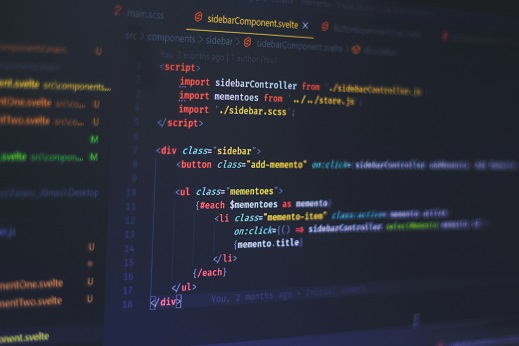
Web development is a multifaceted discipline that encompasses a range of processes involved in building websites and web applications. It can be broadly categorized into three main areas: front-end development, back-end development, and full-stack development. Each role serves a unique purpose in the creation of a complete web experience.
Front-end development focuses on the visual elements of a website that users interact with directly. This includes the layout, design, and overall user interface. The primary technologies utilized in front-end development are HTML, CSS, and JavaScript. HTML (Hypertext Markup Language) establishes the structure of web pages, while CSS (Cascading Style Sheets) enhances their appearance through styling. JavaScript brings interactivity into the mix, enabling dynamic content and responsive features that enhance the user experience.
Conversely, back-end development deals with the server-side of web applications. This aspect manages the data and server interactions that occur behind the scenes. Languages such as Node.js and Python are frequently employed to handle backend operations, such as database interactions and server logic. These technologies help ensure that the front-end and back-end can communicate effectively, leading to a seamless user experience. Additionally, a solid understanding of databases and server management is vital for those pursuing a career in back-end development.
Moreover, a critical component of modern web development is the focus on responsiveness and accessibility. Responsiveness refers to the design of web applications adapting to different device sizes, ensuring usability across desktops, tablets, and mobile devices. Accessibility, on the other hand, guarantees that all users, including those with disabilities, can navigate and interact with a website. Emphasizing these principles not only enhances user experience but also broadens the reach of a web application.
Essential Tools and Technologies for 2026
As web development continues to evolve in 2026, developers must stay informed about the most effective tools and technologies available. Integrated Development Environments (IDEs) play a crucial role in this landscape, offering robust features that streamline coding, debugging, and testing. Popular IDEs such as Visual Studio Code and JetBrains WebStorm provide extensive support for multiple programming languages, enhancing productivity and collaboration among developers.
Version control systems, particularly Git, remain fundamental in modern web development. They facilitate collaboration by allowing multiple developers to work on the same project concurrently without interfering with each other’s contributions. Git’s distributed model ensures that every developer has a complete history of the project, making it easier to track changes, revert to previous states, and manage code contributions efficiently.
Front-end frameworks like React, Vue, and Angular have become increasingly popular due to their ability to create dynamic user interfaces with ease. Each framework offers unique features and advantages, allowing developers to choose the best fit for their specific project needs. React, with its component-based architecture, is particularly favored for building scalable applications, while Vue is appreciated for its simplicity and flexibility. Angular, on the other hand, is recognized for its comprehensive solutions, particularly in large-scale applications.
On the back-end, Express has emerged as a preferred framework for building efficient web applications and API services. Its minimalist approach allows developers to create robust server-side applications with fewer lines of code, simplifying the development process. Furthermore, the significance of cloud services and platforms is paramount in 2026, as they offer scalable solutions for deployment. Cloud infrastructure not only enhances availability and performance but also reduces overhead costs, enabling developers and businesses to focus on building functionality rather than managing servers.
Learning Resources and Best Practices
For beginners venturing into the realm of web development in 2026, an array of learning resources exists, catering to diverse learning styles and preferences. Online courses, such as those found on platforms like Coursera, Udemy, and edX, provide structured and comprehensive learning pathways. These platforms often feature video lectures from industry experts, coding exercises, and community forums, facilitating a rich educational experience. Additionally, many nonprofit organizations and educational institutions offer free or low-cost coding boot camps that immerse learners in practical programming skills over an intensive few weeks.
Tutorials serve as an invaluable resource for beginners. Websites like freeCodeCamp and Codecademy offer interactive coding environments where learners can practice immediately after consuming material. Moreover, YouTube channels dedicated to web development are plentiful; these can provide visual aids and walkthroughs, enhancing understanding through applied learning. Beginners are encouraged to seek out these resources and choose a mix that suits their individual learning preferences.
Community support plays a crucial role in a budding web developer’s journey. Engaging with forums such as Stack Overflow or joining local meetups can provide essential networking opportunities. These platforms allow developers to ask questions, share experiences, and collaborate on projects, fostering a sense of belonging within the development community. Feedback from peers and experienced mentors can significantly expedite learning.
As for best practices, setting personal projects is a powerful way to apply newly acquired skills. Building a website or a small application allows individuals to experiment with coding concepts and solidify understanding. Contributing to open-source projects not only enhances one’s skill set but also helps in gaining practical experience with version control systems like Git. Above all, maintaining consistent practice and embracing experimentation are fundamental principles that will lead to competent web development expertise.
Future Trends to Watch in Web Development
As we look ahead to 2026, web development is poised to undergo transformative changes driven by advancements in technology. A key trend is the integration of artificial intelligence (AI) and machine learning (ML) into web applications. Developers who harness AI can create more personalized user experiences, automate tasks, and analyze user data in real time. For instance, chatbots and virtual assistants, powered by AI, are becoming increasingly common, offering support and enhancing user engagement. This trend will necessitate a fundamental shift in the skill sets of aspiring web developers as they will need to familiarize themselves with AI frameworks and APIs.
In addition to AI and ML, the rise of no-code and low-code platforms is another significant development. These platforms allow individuals with minimal coding experience to create functional websites and applications. This democratization of web development not only increases accessibility but also empowers more creators to participate in the digital economy. As a result, understanding these tools may become essential for developers, who must balance traditional coding skills with proficiency in these innovative platforms.
Moreover, the increasing emphasis on web performance and security cannot be overlooked. As more individuals and businesses rely on digital presence, ensuring a fast and secure user experience becomes critical. Developers will need to optimize performance by implementing best practices, such as minimizing load times and enhancing security measures against cyber threats. Learning how to employ security protocols, alongside performance optimization, will be vital for professionals in the web development field.
Overall, keeping an eye on these emerging trends in web development will be crucial for those looking to carve out a successful career in this ever-evolving industry.