


You may be doing what a lot of people do. You save your pay stubs, glance at your retirement balance, hope your tax withholding is close enough, and tell yourself you will sort it all out later with Lexington CFO services. Then later turns into a stack of forms, a few big money decisions, and that low level stress that sits in the background all year.
Personal financial planning gets harder when your life changes. A new job can affect withholding. A side business can create surprise tax bills. Retirement income can come from more than one place, and each source may be taxed differently. You are not careless if this feels like too much. You are dealing with a system that has rules layered on top of rules.
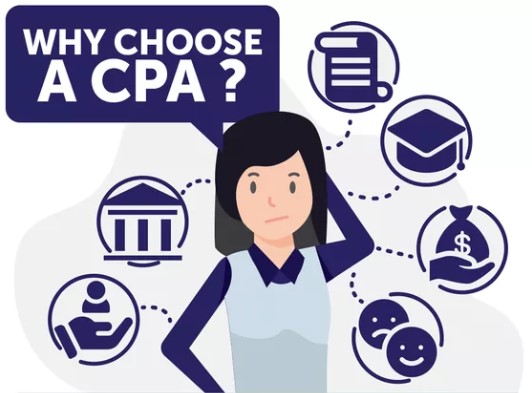
That is why many people look at 3 reasons to choose a CPA for personal financial planning and realize the answer is less about paperwork and more about clarity. A Certified Public Accountant can help you plan with the tax impact in mind, catch problems before they grow, and turn scattered money decisions into a strategy that supports your real life.
A CPA connects your financial planning to real tax consequences
Many financial decisions look simple until taxes enter the picture. You adjust your paycheck withholding, start taking pension income, sell an investment, or pull money from a retirement account, and suddenly the amount you keep is not what you expected. That gap between what you planned and what actually happens is where people lose ground.
A CPA sees the connection between your choices and your tax return. If you have ever been surprised by a balance due in April, this is usually the missing piece. The IRS explains withholding, estimated taxes, and payment rules in Publication 505, and those rules affect more people than they realize. A raise, freelance work, bonuses, dividends, or retirement withdrawals can all change what you owe.
Without guidance, it is easy to make decisions one by one and miss the bigger pattern. You might increase income in a way that pushes you into a higher tax bill, or skip estimated payments because no one told you they applied to your situation. A CPA helps you plan ahead instead of reacting after the damage is done.
This is one of the strongest reasons people choose a CPA for financial planning. The advice is grounded in what your numbers actually do on paper, not just what sounds smart in theory.
A Certified Public Accountant helps prevent costly mistakes before they spread
Small errors rarely stay small in personal finance. A missed deduction, poor recordkeeping, wrong withholding election, or misunderstood retirement distribution can create penalties, cash flow problems, and stress that follows you for months. The hard part is that many mistakes do not feel like mistakes when you make them. They feel like guesses.
That is where a Certified Public Accountant earns trust. A CPA reviews the details most people rush past because they are busy, tired, or unsure what matters. Filing status, dependents, basis, estimated payments, pension taxation, and retirement reporting all carry rules that can change the outcome in a real way.
If you are filing on your own, the Consumer Financial Protection Bureau offers a helpful guide to filing your taxes. It is a good starting point, but a guide cannot apply judgment to your specific life. A CPA can.
That judgment matters when life is not neat. Maybe you are divorced and sharing custody. Maybe you are supporting a parent. Maybe you moved money between accounts and are not sure how it should be reported. Those are the moments when personal finance CPA services become less of a luxury and more of a safeguard.
A CPA brings structure to retirement and long term planning
Retirement planning often gets framed as one number you need to hit. Real life is messier than that. You may have Social Security, a pension, an IRA, a 401(k), and taxable savings. Each income source has its own rules, and your withdrawal choices can affect taxes, Medicare costs, and how long your savings last.
The IRS outlines pension and annuity tax treatment in Publication 575. Most people do not want to read tax publications after work, and they should not have to decode them alone. A CPA can explain how those rules affect your monthly income plan, not just your annual filing.
This is one of the clearest benefits of working with an accountant for personal planning. You get a plan built around timing, income sources, and tax exposure, rather than a rough estimate that leaves too much to chance.
DIY money management often costs more than it seems
| Approach | What You Gain | Common Risk | Best Fit |
|---|---|---|---|
| DIY financial planning and tax filing | Lower upfront cost, full control | Missed deductions, wrong withholding, avoidable penalties, weak long term coordination | Simple finances with one income source and few tax variables |
| Working with a CPA | Tax aware planning, accurate reporting, forward looking guidance | Professional fee | Anyone with changing income, retirement questions, investments, self employment, or family tax issues |
The upfront cost of doing everything yourself can look better on paper. The hidden cost shows up later in overpaid taxes, underpaid estimates, penalties, rushed decisions, and years of choices that were never coordinated. A CPA does not remove every money problem, but the work becomes more accurate and far less reactive.
Three steps you can take right now
Gather the numbers you already have. Pull together your latest tax return, recent pay stubs, retirement account balances, pension statements, and any records of side income. You do not need a perfect system to begin. You just need a clear snapshot of what is coming in, what is growing, and what may be taxed.
Find the pressure points. Look for the areas that keep nagging at you. Maybe it is withholding, estimated taxes, retirement withdrawals, or a life change that could affect your filing. The point is not to solve all of it at once. The point is to identify the decisions that carry the most risk if you guess wrong.
Set up professional review before the next deadline forces you. Do it before tax season, before retirement distributions begin, or before you make a large money move. Planning works best when there is still time to adjust. Waiting until after the fact usually means fewer options and more stress.
You do not need to be in financial trouble to ask for help. You may just be tired of hoping your decisions will work out. That alone is reason enough to bring in a Certified Public Accountant. When your financial life starts to feel scattered, good guidance can make it feel manageable again.
Choosing a CPA for personal financial planning gives you more than tax preparation. It gives you a clearer view of what your choices mean, where the risks are, and how to move forward with less second guessing.