


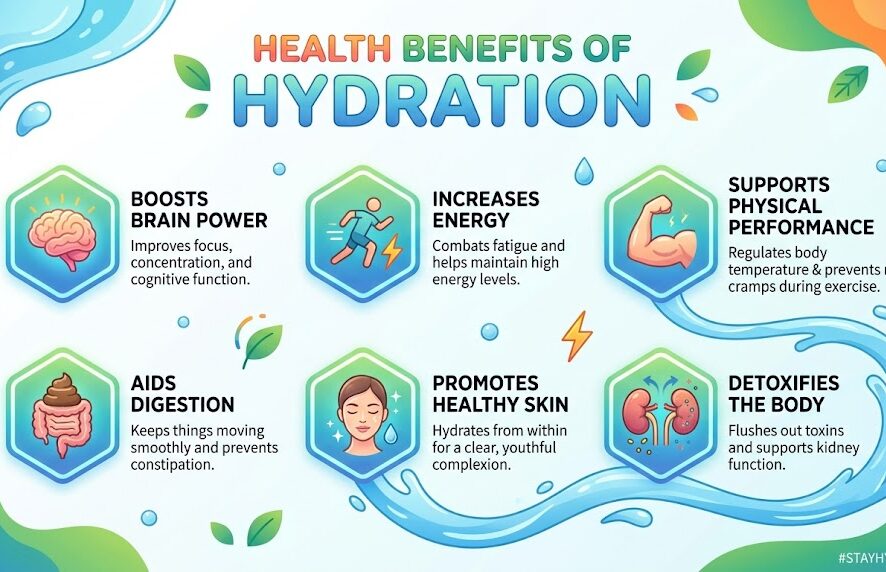
Staying adequately hydrated is vital for maintaining optimal health benefits of hydration. Water is essential for various bodily functions, including digestion, circulation, and temperature regulation. Many people underestimate the importance of drinking enough water and the significant effects it can have on their overall well-being. By prioritizing hydration, individuals can experience numerous benefits that enhance their quality of life. One of the most noticeable advantages of proper hydration is improved skin health. Our skin is the largest organ, and adequate water intake helps maintain its elasticity and suppleness. Hydrated skin appears more youthful and can reduce the visibility of fine lines and wrinkles. Moreover, sufficient water consumption can alleviate dry skin conditions, making it a simple yet effective solution for achieving a healthy complexion. Another benefit of staying hydrated is better digestion. Water aids in the breakdown of food, ensuring that nutrients are effectively absorbed. Additionally, it helps prevent constipation by softening stools and promoting regular bowel movements. For those struggling with digestive issues, increasing water intake can often provide relief and support a more efficient digestive system.
Furthermore, drinking enough water can significantly boost energy levels. Dehydration can lead to fatigue and decreased concentration, impairing daily productivity. By making it a habit to drink water regularly throughout the day, individuals can enhance their mental clarity and physical endurance. This simple lifestyle change can contribute to better performance in both personal and professional activities.
To incorporate more water into your daily routine, consider carrying a reusable water bottle. Set reminders on your phone to drink water at certain intervals, and aim to consume at least eight glasses a day. You can also consume fruits and vegetables with high water content, such as cucumbers, oranges, and watermelon, to help meet your hydration goals. By making the conscious effort to prioritize hydration, you can enjoy its substantial benefits and improve your overall health.
Incorporate Daily Exercise
In today’s fast-paced world, incorporating daily exercise can profoundly impact both mental and physical well-being. Regular physical activity has been shown to improve mood, enhance cognitive function, and promote overall mental health. Engaging in exercise releases endorphins, often referred to as ‘feel-good’ hormones, which can alleviate feelings of anxiety and depression.
For individuals facing busy schedules, finding time for exercise may seem challenging. However, integrating short bouts of activity into daily routines can be effective. Simple activities such as taking a brisk walk during lunch breaks, opting for stairs instead of elevators, or dedicating just 15-20 minutes to a quick home workout can make a significant difference. Additionally, finding enjoyable activities, such as dancing, cycling, or joining a local sports team, can further encourage consistency in maintaining an active lifestyle.
The long-term health benefits of regular exercise extend beyond immediate mood enhancement. Consistent physical activity can aid in weight management, reduce the risk of chronic illnesses such as heart disease and diabetes, and improve overall longevity. Establishing a routine that incorporates daily exercise contributes to building resilience against stress, enhancing both physical fitness and emotional wellness.
As individuals prioritize their health, incorporating exercise into daily life should be viewed as an essential investment. It is a realistic and accessible approach to improving quality of life while managing the demands of everyday schedules. By choosing to engage in regular physical activity, one not only fosters improved health outcomes but also cultivates a balanced lifestyle conducive to overall well-being.
Practice Mindfulness and Meditation
In today’s fast-paced world, practicing mindfulness and meditation can serve as a powerful antidote to the stress and distractions of daily life. Mindfulness is the act of being fully present in the moment, while meditation often involves focusing the mind to achieve a state of clarity and emotional stability. Regularly engaging in these practices can lead to significant improvements in mental clarity and overall well-being.
The benefits of mindfulness and meditation are manifold. Numerous studies have shown that these practices can help reduce stress, lower anxiety levels, and enhance emotional resilience. By setting aside just a few minutes each day for mindfulness, individuals may experience enhanced focus, better decision-making, and a more balanced emotional state. Not only does mindfulness promote mental clarity, but it can also enhance physical health by lowering blood pressure and improving sleep quality.
For beginners looking to incorporate mindfulness into their lives, starting with simple techniques can be highly effective. One approach is to dedicate a few moments each day to mindful breathing. This involves sitting in a comfortable position, closing your eyes, and concentrating on your breath as you inhale and exhale slowly. Another useful technique is to practice mindfulness during routine activities, such as eating or walking. By fully engaging in these activities and observing the sensations involved—such as the taste of food or the feeling of the ground beneath your feet—you can enhance your awareness and presence, making daily life feel richer.
Even a brief mindfulness practice can create a profound impact on your emotional state and the quality of your life. By gradually increasing the duration of your practice, you can cultivate a deeper awareness of yourself and your surroundings, leading to lasting positive changes in your overall mental and emotional health.
Adopt a Balanced Diet
A balanced diet plays a pivotal role in maintaining overall health and fostering well-being. Incorporating a variety of foods from all the major food groups not only ensures that the body receives essential nutrients, but it also aids in preventing chronic diseases. A diet rich in fruits, vegetables, whole grains, and lean proteins can significantly improve energy levels and promote weight management.
Fruits and vegetables are particularly important as they provide vitamins, minerals, and fiber, which are crucial for optimal bodily functions. Whole grains, such as oats and quinoa, offer sustained energy release, while lean proteins, like chicken and legumes, are essential for muscle repair and growth. Embracing mindful eating is also a key strategy; by being aware of what you consume, you are more likely to make healthier choices and recognize when you are full.
Making small adjustments to your diet can have profound impacts. For instance, swapping out sugary snacks with fruit or nut-based alternatives can drastically reduce empty calories while increasing your nutrient intake. Planning meals ahead of time can help ensure that you stick to a balanced diet. Creating a simple meal prep routine, such as dedicating a few hours each week to prepare healthy snacks and meals, can alleviate the stress of last-minute unhealthy choices.
Moreover, experimenting with new recipes that feature seasonal produce can encourage culinary creativity while delivering essential nutrients. Understanding portion sizes and being aware of food labels can also empower individuals to make informed dietary decisions. Ultimately, adopting a balanced diet, alongside mindful eating practices, can lead to significant improvements in health outcomes, fostering a sense of vitality that permeates daily life.