


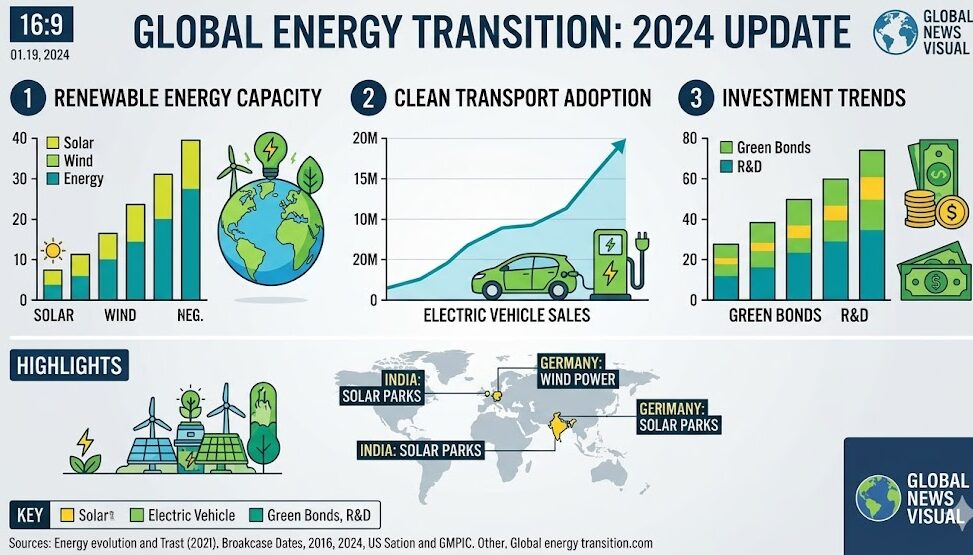
In today’s fast-paced digital world, our attention spans are shorter than ever. With an overwhelming amount of information at our fingertips, it can be challenging to engage with traditional news content. Enter visual news content a powerful blend of images, videos, and graphics that capture stories in a way words alone cannot. This shift toward visuals is not just a fleeting trend; it’s rapidly reshaping the landscape of journalism. As we scroll through social media feeds filled with eye-catching infographics and compelling video clips, it becomes clear why so many prefer this format over lengthy articles. Visuals have the unique ability to convey complex ideas quickly and effectively. They resonate emotionally while providing clarity in a sea of information overload. Join us as we delve into the reasons behind this rising preference for visual storytelling in news reporting exploring its impact on audiences and how technology continues to shape this dynamic field.
The power of visuals in storytelling
Visuals have an incredible ability to captivate audiences. A single image can convey emotions and narratives that words often struggle to express. When stories are paired with visuals, engagement skyrockets. Infographics, photographs, and videos not only enhance understanding but also create lasting impressions. They allow viewers to connect on a personal level. Consider the impact of a powerful photograph during pivotal moments in history. It captures raw emotion and brings context that text alone may fail to deliver. Moreover, visuals simplify complex information. Charts or animations can break down intricate data points into digestible pieces. This accessibility fosters better comprehension among diverse audiences. In today’s fast-paced world, attention spans are short. Visuals bridge this gap effectively by delivering messages quickly while maintaining interest and curiosity throughout the storytelling process.
The impact of social media on visual news consumption
Social media has revolutionized how we consume visual news content. Platforms like Instagram, Twitter, and TikTok allow users to share images and videos instantly. This immediacy captures attention more effectively than text alone. Visuals dominate social feeds. A striking image or a short video can go viral in minutes. Users scroll rapidly, drawn to eye-catching visuals that tell a story at a glance. Engagement metrics show that posts with visual elements receive higher interactions. Likes, shares, and comments flood in when images resonate emotionally or humorously. Additionally, the ability to comment and discuss adds layers of engagement not found in traditional media. Audiences feel connected not just to the content but also to each other as they react and share their thoughts. As news outlets adapt their strategies, understanding this dynamic remains critical for reaching today’s visually-driven audience. Social media shapes preferences and shifts expectations around how news is presented and consumed.
How traditional news outlets are adapting to the trend
Traditional news outlets are increasingly recognizing the importance of visual news content. They are revamping their strategies to incorporate more engaging visuals in their storytelling. Many newspapers and broadcasters are now investing in infographics, videos, and interactive elements. These additions make complex stories easier to digest and understand. In addition, they’re leveraging social media platforms to reach wider audiences. By sharing visually appealing content that captures attention quickly, they can compete with fast-paced digital competitors. Some outlets have even embraced partnerships with tech companies specializing in augmented reality or immersive storytelling. This allows them to offer innovative ways for readers to engage with the news. Moreover, training staff on multimedia skills has become essential. Journalists are learning how to create compelling visual narratives that resonate with today’s audience preferences.
The role of technology in creating and sharing visual content
Technology has revolutionized the way we create and share visual news content. From high-resolution cameras to advanced editing software, the tools available today empower storytellers like never before. Social media platforms have played a critical role in this transformation. Apps designed for instant sharing enable users to disseminate visuals quickly, reaching broader audiences than traditional outlets could ever achieve. Additionally, live streaming technology allows real-time reporting of events as they unfold. This immediacy engages viewers on a whole new level. Augmented reality (AR) and virtual reality (VR) are pushing boundaries further by offering immersive experiences that captivate audiences more deeply than conventional formats can provide. With each technological advancement, the landscape of visual news continues to evolve, making it an exciting time for both creators and consumers alike.
Why people are drawn to visual news over traditional text-based news
Visual news content captivates audiences in ways traditional text simply cannot. Images, videos, and infographics deliver information quickly and efficiently. In a world where attention spans are dwindling, this immediacy is crucial. People often process visuals faster than words. A single powerful image can evoke emotions or convey complex ideas almost instantaneously. This emotional connection makes stories more memorable. Additionally, visuals can break up dense information into digestible pieces. Readers find it easier to grasp concepts when they see them represented graphically rather than read lengthy paragraphs explaining them. Social media platforms amplify this trend by prioritizing visual content in their algorithms. Users scroll through feeds filled with eye-catching graphics and clips, reinforcing the preference for visually-driven narratives over traditional articles that require more time and focus to engage with fully.
The future of visual news and its potential challenges and opportunities
The future of visual news content is bright yet complex. As technology evolves, so does the potential for richer storytelling through immersive formats like 360-degree videos and augmented reality. However, this evolution brings challenges. The demand for high-quality visuals requires significant resources and expertise. Smaller outlets may struggle to keep pace with larger media organizations that have deeper pockets. Additionally, maintaining credibility in a landscape flooded with information is crucial. Misinformation can spread quickly through visually appealing but misleading content. On the flip side, opportunities abound. Engaging visual narratives can capture diverse audiences who prefer quick consumption over lengthy articles. The rise of platforms dedicated to short-form video gives creators new avenues to share stories effectively. As innovations unfold, adaptability will be key for both consumers and creators in navigating this dynamic space of visual news content.
Conclusion:
As we move forward, the landscape of visual news content continues to evolve. The demand for engaging and easily digestible information is only growing. With technology advancing rapidly, the potential for immersive storytelling through visuals is immense. News outlets that embrace this shift will likely thrive, while those that cling to traditional formats may struggle. Audiences are clearly responding to visually-rich stories; they crave quick connections and impactful narratives. The future holds exciting opportunities for innovation in visual journalism. However, it also presents challenges such as misinformation and the need for authenticity in a world saturated with images. Understanding how audiences consume news will be key for both creators and consumers alike. Adapting to these changes can lead to more informed societies and richer storytelling experiences across platforms.