


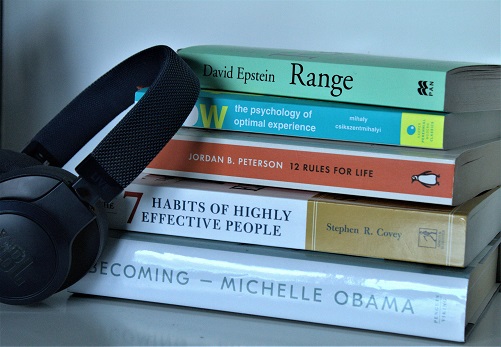
Engaging in daily reading is not only an enjoyable pastime; it also brings a plethora of cognitive benefits that can significantly enhance brain function and improve overall cognitive abilities. Research indicates that reading regularly can stimulate various brain regions, thereby contributing to a healthier brain activity. This stimulation promotes neurological connectivity, which is crucial for effective learning and memory retention. One notable advantage of consistent reading is its positive impact on memory. When individuals read, they are required to remember character names, plot details, and various concept developments, which sharpens their memory skills. This process can be likened to mental exercise, enhancing brain plasticity and improving the ability to retain information over time. Developing strong memory skills through reading not only aids in recalling details from literature but also translates into better performance in academic, professional, and everyday contexts. Moreover, daily reading fosters critical thinking and analytical skills. As readers encounter diverse narratives, perspectives, and arguments, they learn to assess and analyze information critically. This practice promotes the ability to evaluate situations, discern biases, and draw informed conclusions. Consequently, individuals who engage regularly with complex texts are often better equipped to tackle real-world problems and make decisions based on sound reasoning.
In addition to enhancing critical thinking, reading also helps cultivate empathy and emotional intelligence. By immersing oneself in differing experiences and contexts within literature, readers develop a deeper understanding of varied human emotions and societal issues. This not only broadens their worldview but also strengthens their ability to connect with others on an emotional level.
Emotional and Psychological Growth Through Literature
Engaging with literature offers invaluable emotional and psychological benefits, serving as a tool for personal growth. One of the most significant advantages of reading is its ability to foster empathy. As readers immerse themselves in diverse narratives and viewpoints, they develop a deeper understanding of various human experiences. This process not only broadens their emotional horizons but also enhances their capacity to relate to others in real life, promoting social harmony and compassion.
Additionally, reading serves as an effective means of stress reduction. In our fast-paced world, literature provides a necessary escape, allowing individuals to temporarily detach from their daily worries. This mental shift is essential for maintaining emotional well-being, as it encourages relaxation and mindfulness. By diving into a captivating story, readers can experience a range of emotions alongside fictional characters, which can act as a cathartic release, thus alleviating feelings of anxiety or tension.
Furthermore, literature can aid in personal reflection, enhancing emotional intelligence. Through narratives that depict complex emotional situations, readers can analyze their own feelings and reactions. This process of introspection can lead to greater self-awareness, helping individuals navigate their emotions in a more constructive manner. By following characters through their struggles and triumphs, readers often find parallels in their own lives, prompting them to reflect on their experiences and emotional responses.
Ultimately, the emotional and psychological growth stimulated by literature proves to be crucial in developing a resilient and empathetic mindset. Engaging with different narratives not only enriches the mind but significantly contributes to one’s emotional health, fostering a greater understanding of self and others.
Reading as a Tool for Personal Development
The practice of reading serves as a vital tool for personal development and self-improvement, significantly influencing one’s lifestyle choices. Engaging with various literary genres, such as self-help, biographies, and motivational literature, can inspire profound changes within individuals. These genres, in particular, offer insights into the human experience, allowing readers to learn from the successes and failures of others.
Self-help books, for instance, provide practical knowledge and strategies that can be directly applied to daily life. They often address a range of issues, from enhancing productivity to improving interpersonal relationships. By absorbing the wisdom contained in these texts, one can gain a clearer understanding of their own challenges and the tools required to navigate them effectively.
Biographies present another unique avenue for personal growth. By narrating the journeys of notable figures, these books illuminate the paths taken toward success. Readers can derive motivation from these stories, understanding that setbacks are often a part of the journey. Such insights encourage resilience, instilling the belief that personal goals are attainable through diligence and perseverance.
Motivational literature plays a crucial role as well, often using inspirational language to ignite the reader’s passion and drive. These works can serve as a catalyst for change, prompting individuals to reevaluate their aspirations and challenge the limitations imposed by their circumstances. The emotional resonance found in these texts can drive one to make significant lifestyle alterations, fostering a more fulfilling existence.
In summary, integrating a regular reading habit into one’s life can dramatically enhance personal development. Through exposure to diverse perspectives and practical knowledge, readers not only cultivate a better understanding of themselves but also equip themselves with the tools necessary for achieving a richer and more rewarding lifestyle.
Building a Sustainable Reading Habit
Establishing a sustainable reading habit requires thoughtful planning and dedicated effort. One effective approach is to set achievable reading goals. Begin by determining how much time you can realistically dedicate to reading each day. Start small, perhaps aiming for just 10-15 minutes daily, and gradually increase the duration as you become more comfortable with the new routine. This gradual increase minimizes the pressure while fostering a love for reading over time.
Creating a conducive reading environment is equally important. Identify a quiet, comfortable space free from distractions where you can immerse yourself in your reading material. This environment could be a cozy corner in your home, a local café, or even a library. Ensure good lighting and have your reading materials readily accessible. Having a specific place to read can mentally prepare you for this activity, allowing you to associate that space with the joy of reading.
In addition to goal-setting and environmental adjustments, consider diversifying your reading materials. Engaging with a variety of resources not only enhances your knowledge but also keeps the practice fresh and exciting. Explore genres ranging from fiction to non-fiction, including self-help books, biographies, or even graphic novels. E-books and audiobooks can also be valuable assets that make reading accessible during commutes or while multitasking.
Furthermore, joining local or online reading groups can provide motivation and accountability. Discussing books with others introduces new perspectives and encourages you to explore new titles. Online platforms, such as Goodreads or various book clubs, offer a vast array of resources that can aid in discovering books that align with your interests.
By setting realistic goals, designing an inviting reading space, and embracing diverse reading materials, you can cultivate a sustainable habit that enriches your life and fosters a lifelong love for reading.