


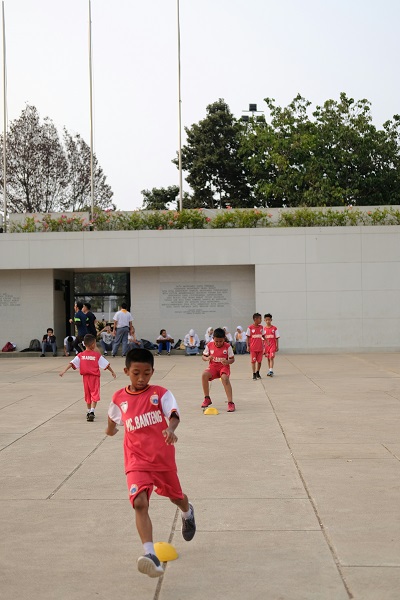
Engaging in team sports is not only a recreational activity but also a powerful approach to improving fitness and coordination. Participating in such sports offers numerous benefits, making it an excellent option for individuals looking to enhance their physical health while fostering social connections.
One of the primary advantages of team sports is their ability to promote physical fitness. Activities such as soccer, basketball, and volleyball require cardiovascular endurance, strength, and flexibility, contributing to overall fitness improvements. Consistent participation in these sports helps individuals burn calories, build muscle, and increase stamina.
In addition to physical health benefits, team sports significantly enhance coordination and motor skills. Players must develop the ability to react quickly, make swift decisions, and refine their hand-eye coordination. These skills are critical not only in sports but also in daily activities, ultimately leading to greater overall physical competence.
Moreover, one of the most compelling aspects of team sports is the social interaction that naturally occurs during gameplay. Engaging with teammates fosters a sense of community and belonging, which enhances mental well-being. This camaraderie often motivates participants to commit to regular practice, further amplifying their physical fitness goals.
Ultimately, choosing a team sport can lead to a fulfilling engagement that goes beyond mere physical activity. The combination of fitness, coordination, and social interaction in these sports creates a holistic approach to health and well-being. Hence, exploring various team sports might be a beneficial endeavor for those seeking to improve their physical condition while enjoying the company of others.
Top Team Sports for Enhancing Physical Fitness
Team sports play a pivotal role in enhancing physical fitness, as they require players to engage in various physical activities that promote overall health. Soccer, basketball, and rugby are notable examples that not only offer a competitive edge but also significantly improve fitness levels through rigorous physical exertion.
Soccer, often referred to as football in many parts of the world, is a sport that demands cardiovascular endurance and agility. Players are required to run continuously for 90 minutes, sprinting short distances, and changing direction quickly. This constant movement helps improve stamina, strengthens the heart, and boosts lung capacity. Additionally, the sport employs a range of movements that require flexibility and coordination, which are beneficial for overall physical health.
Basketball is another excellent team sport for enhancing fitness. It involves running, jumping, and quick lateral movements, which combine to improve both cardiovascular fitness and muscular strength. The constant back-and-forth movement on the court allows for a significant calorie burn while developing agility and coordination. Moreover, dribbling and shooting the ball require hand-eye coordination, making it a holistic approach to fitness that engages various muscle groups.
Rugby, known for its physical intensity, focuses heavily on strength and endurance. Players engage in high-impact plays, requiring significant muscular strength and explosive power. The sport emphasizes robust fitness levels as it involves running, tackling, and scrummaging, thus demanding a combination of stamina, strength, and agility. Participation in rugby can lead to improved bone density and muscular development due to the nature of the physical engagements involved.
Engaging in these team sports not only helps individuals achieve their fitness goals but also fosters teamwork and camaraderie, making the workouts enjoyable and socially enriching. Through regular participation, players can elevate their physical fitness while enjoying the competitive spirit inherent in these dynamic sports.
The Role of Coordination in Team Sports
Coordination is a critical element in the realm of sports, particularly in team-based activities. In a sports context, coordination refers to the ability to synchronize movements with precision and efficiency, allowing athletes to interact seamlessly with both the ball and their teammates. This skill is paramount for successful participation across various sports, influencing not only performance but also the overall dynamics of the team.
Participating in team sports specifically enhances hand-eye coordination, a vital aspect of many athletic disciplines. Sports such as basketball, soccer, and volleyball require players to constantly align their movements in response to fast-paced gameplay. This frequent practice enhances their ability to react quickly and accurately, improving their overall athletic performance. Additionally, spatial awareness becomes heightened as athletes learn to gauge their position relative to others, which is essential for on-field positioning, timing, and strategy execution.
Effective communication among team members further enriches the development of coordination in team sports. Players must convey their intentions and movements, ensuring alignment in the on-field objectives. This ongoing interaction fosters a keen understanding of movement patterns and plays, promoting an intuitive sense of coordination as teammates learn to anticipate each other’s actions. Different sports provide varying levels of coordination challenges; for example, in a sport like rugby, players must continuously adjust their coordination with both their teammates and opponents under pressure, while in sports like synchronized swimming, the coordination requirement is largely aesthetic and methodical.
In summary, the practice of coordination within the context of team sports not only improves physical abilities but also enhances overall team performance. By participating in team sports, athletes develop essential skills that transcend the playing field, contributing to personal growth and fitness excellence.
Choosing the Right Team Sport for You
Choosing the right team sport is essential for enhancing both fitness and coordination while ensuring that the activity remains enjoyable and fulfilling. The first step in selecting an appropriate sport is to consider your personal interests. Engaging in a sport that you are passionate about increases the likelihood of consistent participation, which is crucial for achieving fitness goals. Whether it’s soccer, basketball, or volleyball, aligning your choice with your interests can significantly boost motivation.
Next, evaluate your current fitness level. It is important to select a sport that accommodates your existing physical capabilities. If you are new to fitness activities, starting with less intense sports may be more suitable. Alternatively, if you have prior experience, you may wish to challenge yourself with a more demanding sport. This evaluation will help you find a balance between enjoying the game and pushing your physical limits to improve overall fitness.
Accessibility is another factor to consider when selecting a team sport. Investigate local clubs, leagues, or community centers that offer programs in your area. Having convenient access to facilities and training sessions will encourage regular participation, making it easier to integrate the sport into your lifestyle. Moreover, being active in your local sporting community can provide opportunities to connect with others, enhancing your social network.
Finally, reflect on the potential social connections that a team sport can facilitate. Sports often provide a platform for meeting like-minded individuals, which can foster friendships and provide a support system that is beneficial for maintaining fitness objectives. Team sports inherently promote camaraderie, communication, and teamwork, all of which contribute positively to your physical and mental well-being.
In conclusion, by thoughtfully considering your interests, fitness level, accessibility, and social opportunities, you can choose a team sport that not only enhances your fitness and coordination but also aligns with your personal goals and lifestyle. Embrace the journey of finding your ideal activity, and remember, the right sport can profoundly influence your overall health and enjoyment.