


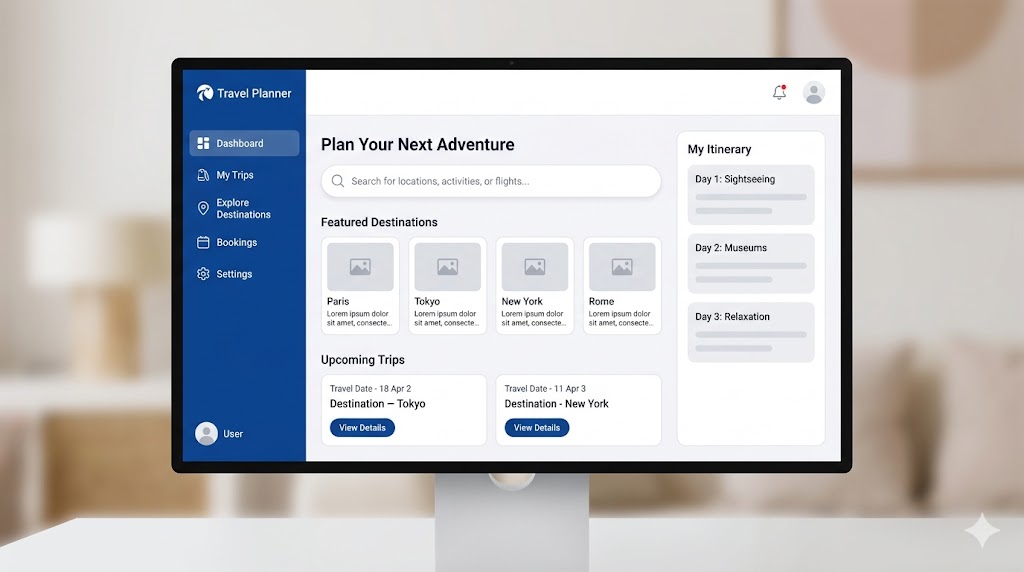
User Experience (UX) and User Interface (UI) design are integral components of modern application development, each serving a distinct yet complementary role. UX design focuses on the overall experience a user has with an application, encompassing all aspects of the user’s interaction, including ease of use, efficiency, and satisfaction. It involves thorough research to understand users’ needs, preferences, and behaviors, allowing designers to create intuitive pathways that enhance user engagement. On the other hand, UI design pertains specifically to the visual elements of an application, including aesthetics, layout, and interactive components. UI designers aim to create appealing interfaces that draw users in, ensuring that the visual aspects align seamlessly with the functionality offered by the app. While UX design addresses the user’s journey and experience at a macro level, UI design hones in on the particulars of how users interact with individual elements on the screen.
Key principles underpin effective UX/UI design, notably usability, accessibility, and user-centered design. Usability pertains to the ease with which users can navigate and engage with the application, ensuring that tasks can be accomplished with minimum effort. Accessibility is crucial for reaching a wider audience, requiring designers to consider various user needs, including those with disabilities, and to incorporate adaptive features. Lastly, user-centered design emphasizes involving users throughout the design process, ensuring their feedback is incorporated to refine and enhance the application further.
In summary, UX and UI design are not separate entities but rather intertwined disciplines that together create a cohesive, engaging, and functional application. Their collaborative nature enhances the overall user experience, making them essential in the competitive landscape of app development.
Impact of UX/UI Design on User Engagement
User engagement is a crucial metric for the success of any application, directly tied to the effectiveness of its user experience (UX) and user interface (UI) design. Well-crafted UX/UI design not only enhances usability but also plays a significant role in attracting and retaining users. Research shows that applications with intuitive interfaces and seamless user experiences can see a remarkable increase in retention rates. For example, a study by the Nielsen Norman Group indicated that a well-structured design can increase user satisfaction by up to 80%.
Moreover, engaging user interfaces keep users coming back. Insights from user behavior analytics show that a pleasing aesthetic, coupled with functional features, can significantly lower bounce rates. Apps that prioritize UX/UI design often report improved interaction metrics; one case study featured a popular app that revamped its design and witnessed a 50% decrease in bounce rates within a few months. This improvement can be attributed to clearer navigation pathways and a visually engaging layout that encourages exploration.
On the flip side, poor design can detrimental effects on user engagement. A cluttered interface can lead to confusion, prompting users to abandon the application altogether. If users struggle to accomplish their goals within the app, they are likely to turn to competitors offering a better-designed experience. Frustration stemming from a confusing UI often results in negative reviews, which further impacts download rates and user acquisition. Clear evidence shows that companies investing in quality design are rewarded with higher engagement metrics overall.
It is evident that UX/UI design is not merely an aesthetic endeavor but a vital contributor to user engagement and satisfaction. By investing in quality design, developers can significantly enhance the user experience, laying a foundation for lasting relationships with their audience.
Design Trends Shaping Modern Apps
In the realm of UX/UI design, several emerging trends are significantly influencing the development of modern applications. A prevalent tendency is minimalism, which emphasizes simplicity and functionality. This design philosophy focuses on eliminating unnecessary elements to enhance user experience, allowing users to navigate applications intuitively. Minimalist interfaces often rely on neutral color palettes and straightforward typography, contributing to a seamless interaction.
Another important trend is adaptive design, which ensures that applications perform well across a variety of devices and screen sizes. The rise of mobile usage necessitates interfaces that can adjust according to the user’s device, providing a consistent experience whether on a smartphone, tablet, or desktop. This adaptability not only enhances usability but also increases user engagement, as people are more likely to keep using an application that is responsive to their needs.
Dark mode has gained popularity in recent years, particularly among users who prefer a visually comfortable experience in low-light environments. This design choice also aids in reducing eye strain and is believed to extend battery life on OLED screens. Additionally, voice interfaces are becoming integral to user experience design, allowing hands-free interaction and accessibility to those with physical limitations. The growing use of voice commands indicates a shift towards more natural and fluid interaction methods.
Furthermore, microinteractions—subtle animations or feedback mechanisms—play a critical role in enhancing functionality and delighting users. These small design elements provide immediate responses to user actions, enriching the overall experience. The incorporation of technology, particularly AI and machine learning, is poised to further transform these trends, enabling more personalized, adaptive user experiences. As the landscape evolves, it is essential for designers to stay abreast of these developments to create applications that not only meet user demands but also foresee future enhancements.
Best Practices for Effective UX/UI Design
Implementing effective UX/UI design is essential for developing modern applications that provide outstanding user experiences. One of the first and most critical best practices is conducting thorough user research. This process allows designers and developers to understand the target audience’s needs, preferences, and pain points. By utilizing methods such as surveys, interviews, and observation, teams can gather valuable insights that inform the design decisions and ensure that the app aligns with user expectations.
Once user research is completed, creating prototypes is the next vital step in the UX/UI design process. Prototypes serve as tangible representations of the app’s design and functionality. These can vary from low-fidelity sketches to high-fidelity interactive models, which allow for testing and refinement of ideas before full-scale development. Prototyping enables designers to visualize concepts and helps teams identify potential issues early, thus reducing costs and time associated with late-stage revisions.
Testing designs with real users is another indispensable best practice. User testing provides direct feedback on the usability and appeal of the app, enabling the team to observe how real users interact with the design. By incorporating feedback from user testing into the design process, developers can make iterative improvements that significantly enhance the overall user experience.
Moreover, collaboration between designers and developers is crucial throughout the design process. When both teams work closely together, they can ensure that the design is feasible from a technical standpoint and that the final product is visually appealing while maintaining functionality. This collaborative approach not only fosters creativity but also diminishes the risk of misunderstandings that could lead to an ineffective app design.