


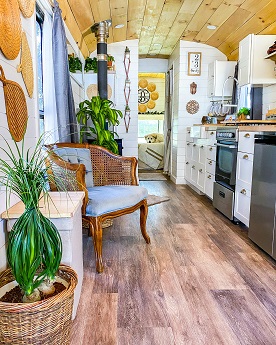
The concept of tiny living has gained significant traction in recent years as more individuals and families seek to downsize their living spaces. This growing trend reflects a shift in priorities, with many people opting for smaller homes that align with their values and lifestyle preferences. Tiny homes, typically defined as structures under 400 square feet, offer numerous advantages that resonate with a variety of demographics. One of the primary motivations for embracing tiny living is affordability. As housing markets across the globe become increasingly competitive, many aspiring homeowners find it challenging to navigate traditional real estate options. By choosing a tiny home, individuals can significantly reduce their housing expenses, allowing for greater financial freedom and the possibility of reallocating funds toward experiences, education, or savings.
Additionally, the tiny living movement promotes sustainability. With a growing awareness of environmental issues, many people are re-evaluating their consumption habits and seeking ways to minimize their ecological footprint. Tiny homes require fewer resources to build and maintain, resulting in less waste and lower energy consumption. This commitment to sustainable living fosters a deeper connection with the natural world and encourages mindful consumerism.
Minimalism also plays a crucial role in the appeal of tiny living. The philosophy encourages individuals to focus on what truly matters, often leading to a more fulfilling and intentional lifestyle. By downsizing their possessions, many find themselves liberated from the burden of clutter, ultimately enhancing their quality of life. Tiny homes epitomize this minimalist mindset, serving as a canvas for creativity and innovative design.
As tiny living continues to gain popularity, it is essential to explore clever design hacks that maximize space and functionality, creating a comfortable and stylish environment in these compact dwellings.
Maximizing Vertical Space
In tiny homes, the efficient use of vertical space is paramount for creating an illusion of spaciousness while maintaining functionality. By strategically utilizing the vertical area within such compact living environments, inhabitants can significantly enhance both storage and aesthetic appeal.
One of the most effective strategies involves the installation of shelves. Floating shelves, for instance, can be mounted on walls to display decor, books, or everyday items, thus freeing up valuable floor space. High shelves, reaching up toward the ceiling, can store less frequently used items, while allowing for easy retrieval with a step stool. This not only conserves floor area but also draws the eye upward, making the room feel larger.
In addition to shelving, incorporating tall furniture can prove advantageous in tiny homes. Bookcases, armoires, and storage cabinets designed to extend vertically take full advantage of the height of the room, providing ample space for organization without overcrowding the floor. Selecting slim, tall pieces can create a more open feel, as they do not dominate the horizontal landscape of a small room.
Furthermore, hooks and wall-mounted organizers can serve as functional yet decorative solutions for maximizing vertical space. By hanging items such as coats, bags, or kitchen utensils on walls, residents can keep surfaces clutter-free while adding personal touches to the decor. Utilizing vertical elements like pegboards can also allow for customizable storage, further optimizing the area.
Overall, maximizing vertical space is vital in tiny home design. By incorporating shelves, tall furniture, and hooks, individuals can create a more organized and visually appealing environment that not only conserves space but also enhances the overall character of their living area, proving that even the smallest homes can make a big impact.
Multipurpose Furniture: The Key to Functionality
In the realm of small space living, multipurpose furniture stands out as a crucial element for enhancing functionality without compromising on style. By fulfilling dual roles, these innovative pieces allow homeowners to optimize the limited square footage available in tiny homes. The integration of such versatile furniture not only maximizes utility but also contributes to a more organized living environment.
One commonly utilized type of multipurpose furniture is the sofa bed. This practical option transforms a comfortable seating area into a cozy sleeping space for guests, effectively conserving space during the day. Many contemporary designs present aesthetic appeal while offering comfort, thus ensuring that style is not sacrificed for functionality. Similarly, foldable tables have gained popularity for their adaptability. These tables can easily expand for entertaining guests or be retractable for daily use, seamlessly adjusting to diverse needs.
Moreover, storage ottomans exemplify how multipurpose furniture can incorporate additional storage while serving as stylish seating options. These ottomans can store various items, from blankets to books, helping to declutter living areas. Ideally placed in a living room, they serve as coffee tables or footrests while maintaining a chic appearance. Choosing the right pieces of multipurpose furniture is instrumental in creating a focal point in a room, allowing for creative arrangements that enhance both aesthetics and usability.
Incorporating multipurpose furniture into a tiny home design encourages innovative thinking and can significantly increase the perceived space. By selecting furniture that caters to dual functions, one can effortlessly blend style and practicality, ultimately leading to a harmonious living space that celebrates the beauty of minimalism while fulfilling everyday needs.
Smart Storage Solutions
When living in a tiny home, maximizing available space is essential, and implementing smart storage solutions can significantly improve organization and overall functionality. One of the most efficient methods to utilize space is through under-bed storage. By selecting beds with built-in drawers or utilizing rolling bins, residents can effectively conceal seasonal clothing, spare linens, or seldom-used items, keeping the living space clutter-free.
Furthermore, built-in cabinets and shelves are invaluable in tiny homes. They can be custom-designed to fit unique nooks and crannies, transforming unused areas into practical storage solutions. For instance, a small alcove could be fitted with shelves that extend vertically, optimizing vertical space while remaining aesthetically pleasing. Incorporating a mix of open and closed storage options not only serves practical purposes but also allows for personal expression through decorative elements.
Acknowledging the often awkward spaces that exist in compact homes is crucial. For example, the area above door frames can be transformed into an attractive storage solution by installing floating shelves, which can hold books, plants, or decorative items. Likewise, utilizing hooks and pegboards on walls can efficiently organize tools, kitchen utensils, or craft supplies. By considering these innovative storage solutions, tiny homeowners can create an environment that feels spacious and organized.
The integration of smart storage solutions ultimately enhances both the functionality and aesthetics of tiny homes, making them not only livable but also a reflection of the owner’s style. Embracing creativity and practicality ensures that every inch counts, leaving residents with a tidy space that serves their everyday needs while embracing the charm of minimalistic living.
Open Concept Living: Enhancing Fluidity
In the realm of tiny homes, the implementation of open concept living is a design strategy that significantly enhances the use of space. By removing unnecessary walls and barriers, homeowners can achieve a greater sense of fluidity within their living environments. This style not only maximizes the functional area but also promotes an airy and inviting atmosphere, which is crucial in smaller spaces.
One of the primary advantages of an open concept layout is the improvement in natural light flow. When walls are minimized, light has the opportunity to permeate various sections of the home, making the space feel larger and more vibrant. This abundant light not only elevates the overall aesthetic but also contributes to a healthier, more uplifting living environment. Moreover, with better access to sunlight, homeowners may find reduced energy costs as they rely less on artificial lighting during the day.
Additionally, open concept designs facilitate smoother transitions between areas, such as the living room, dining space, and kitchen. This interconnectedness fosters a dynamic living experience, where residents can engage with one another more readily. Families can prepare meals while engaging in conversation or entertaining guests without feeling confined to separate rooms. This cohesive living arrangement is particularly beneficial for fostering relationships and promoting a sense of community within the home.
Furthermore, the flexibility that comes with open concept layouts allows for multifunctional spaces. Homeowners can effortlessly adapt areas for various uses, such as working from home or hosting gatherings, without being hindered by walls or narrow doorways. Overall, the advantages of open concept living in tiny homes lie not only in their aesthetic appeal but also in their practical functionality, ultimately creating a more harmonious and enjoyable living experience.
Light and Color: Tricks to Enhance Space Perception
When it comes to maximizing the perception of space in tiny homes, the strategic use of color and lighting can be transformative. Lighter color schemes, such as whites, soft pastels, and light neutrals, have the remarkable ability to create an illusion of greater space. By reflecting natural light, these colors can make walls and ceilings appear higher and rooms feel more open. For instance, painting the ceiling a pale shade can create the effect of height, giving the illusion of expansive vertical space.
Moreover, incorporating a monochromatic color palette can further enhance the sense of spaciousness. When various shades of a single color are employed, it minimizes visual clutter and allows the eye to travel freely throughout the space. This seamless transition encourages a more cohesive and airy atmosphere. It is advisable to select upholstered furniture, curtains, and decor in similar hues to maintain this effect.
Lighting plays a crucial role as well, both natural and artificial. Maximizing natural light should be a priority; sheer window treatments or no window treatments at all can help flood the space with light during the day. Strategically placing mirrors opposite windows can also amplify natural light, creating an airy and bright environment.
Incorporating layered lighting can add depth and warmth to a small area. By combining ambient lighting, task lighting, and accent lighting, the different layers help define areas without making the space feel cramped. For instance, pendant lights can create visual interest above a dining table, while sconces can provide illumination without taking up valuable floor space. Overall, thoughtfully chosen colors and adequate lighting serve as essential design elements that can significantly enhance the perception of space in a tiny home.
Creating Functional Outdoor Spaces
In the context of tiny homes, outdoor spaces such as patios, balconies, and gardens play a vital role in extending the living area and enhancing the overall functionality of the home. Utilizing these outdoor areas effectively can significantly enhance the quality of life for individuals living in compact environments. By implementing strategic design hacks, tiny home dwellers can create multifunctional outdoor spaces that are both functional and aesthetically pleasing.
One effective strategy is to choose outdoor furniture that is both compact and versatile. For instance, opt for foldable chairs and tables that can be easily stored away when not in use. This flexibility allows for various activities, from casual dining to leisurely lounging, without occupying too much space. Additionally, materials such as weather-resistant wicker or metal not only provide durability but also add a touch of elegance to the outdoor setting.
Incorporating vertical gardening systems can greatly enhance the appeal of outdoor spaces while also being space-efficient. These vertical gardens can serve as a backdrop, providing greenery that enriches the air and brings a touch of nature into the urban setting. Hanging planters or wall-mounted pots can also amplify aesthetic charm without taking up valuable floor space.
Lighting is another crucial element in transforming outdoor areas into functional extensions of the home. Creative lighting solutions, such as string lights or solar-powered lanterns, can create a warm ambiance and make outdoor spaces usable even after sunset. Additionally, investing in outdoor rugs can delineate areas, create comfort, and add color to enhance the overall environment.
Ultimately, by utilizing these design hacks and focusing on multifunctionality, individuals residing in tiny homes can maximize their outdoor spaces, creating areas that are not only practical but also enjoyable for socializing and relaxation.
Personalization: Making It Your Own
Personalizing a tiny home is pivotal in transforming a compact space into a warm and inviting residence that reflects your individual style and personality. In smaller environments, where every inch counts, it becomes essential to consider design choices that resonate with your preferences while also maximizing functionality. Thoughtful decor can make a considerable difference, turning a basic living area into a sanctuary.
One effective strategy for personalization is the incorporation of unique art pieces or family photographs. A gallery wall can create a vibrant focal point that showcases cherished memories and artistic expressions without overwhelming the limited wall space. By using a cohesive color palette or framing style, it’s possible to maintain a visually appealing and organized aesthetic that enhances the overall charm of the area.
Another approach to integrating personal touches involves selecting accessories that serve dual purposes. For instance, decorative pillows that provide comfort can also be chosen in colors or patterns that align with your theme. Similarly, storage solutions such as decorative baskets or multi-functional furniture can add character while fulfilling practical needs. This serves the dual purpose of enhancing the decor and optimizing space.
Additionally, utilizing plants can enhance the ambiance of your tiny home, introducing a splash of color and freshness. Vibrant greenery can improve air quality and create a calming atmosphere, which is particularly beneficial in smaller spaces. Tailoring the selection of plants to suit your personal taste and maintenance preferences ensures that the environment reflects your lifestyle.
Ultimately, the goal of personalizing a tiny home is to find a balance between style and the constraints of limited space. By thoughtfully selecting design elements and decor, you can create a harmonious and engaging environment that feels uniquely yours without sacrificing functionality.
Conclusion: Embracing the Tiny Living Lifestyle
As we examine the myriad of benefits that come with embracing the tiny living lifestyle, it becomes increasingly clear that this approach is not just a trend, but a profound shift in how we think about space, resources, and sustainability. By opting for smaller homes, individuals can reduce their environmental footprint while enjoying the freedom and simplicity that comes with minimalism. Tiny living allows for a more deliberate lifestyle, prompting residents to prioritize what truly matters to them and letting go of the excess.
The clever design hacks discussed throughout this blog post play a crucial role in optimizing small spaces while maintaining functionality and style. By incorporating multi-purpose furniture, utilizing vertical storage solutions, and embracing open layouts, one can transform a compact area into a haven of creativity and comfort. Maximizing light and enhancing flexibility through innovative design also make a significant difference in how one experiences their living environment.
Moreover, the tiny living movement fosters a sense of community and shared experiences among those who choose this lifestyle. With less space and often fewer possessions, individuals and families become more mindful of their surroundings and their interactions with neighbors. This aspect can lead to stronger connections and a shared commitment to sustainable living practices.
In essence, the decision to downsize and embrace tiny living is a pathway to discovering personal liberation and environmental stewardship. As you explore your own creative solutions for living big in small spaces, remember the wisdom gained from those who have successfully navigated this journey. With thoughtful planning, innovative design, and an open mind, you too can experience the joys of a tiny home, creating a life that is both meaningful and rewarding.