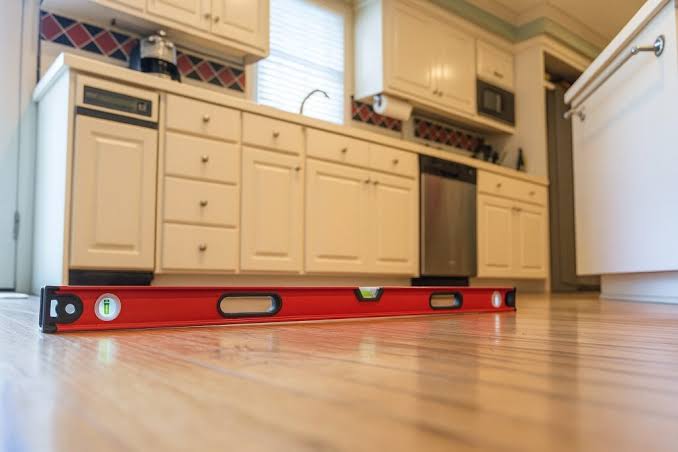
Floor sags appear as uneven or sloping floors, as well as doors that no longer close properly. Although these issues may initially seem cosmetic, they often worsen over time if left unaddressed and eventually affect the safety and structural integrity of your home. Depending on the severity and underlying cause, correcting the problem sometimes requires an assessment and recommendations from a qualified professional. Here is more information to help you better understand the causes of sagging floors in residential properties and the steps to take to address them:
Underlying Causes Identification
Foundation settlement can trigger sagging floors. The expansive clay soils beneath some residential properties will dry out, shift, or settle unevenly. As the ground moves under the house, it pulls the concrete structural supports downward, leaving the floor framing above without a solid, level base. This loss of contact between the support pillars and the floor joists creates a dip in the flooring.
High moisture levels cause wood rot, which softens floor joints over time. This causes the horizontal supports to bend under the home’s weight, creating noticeable dips in the living spaces above. Termite damage also produces a similar loss of structural integrity. As these wood-destroying insects hollow out joists and beams, the framing weakens, but the exterior often looks intact.
Poor construction practices during the building process often lead to sagging floors years after a home is built. Inadequate framing support or improperly spaced floor joists fail to adequately support normal structural loads over the life of the property. Over time, heavy furniture, appliances, and everyday foot traffic add strain to the floor system and contribute to sagging. Professionals identify the underlying cause and recommend the appropriate solution, including foundation repair, moisture control, or repairing and replacing damaged floor joists to restore the floor’s stability and safety.
Structural Damage Assessment
A professional evaluation helps you determine the extent of the damage. Specialists evaluate the whole floor framing to pinpoint the cause of the sagging. This process often involves inspecting the subflooring, measuring the degree of deflection, and examining all exposed joists for damage.
You may spot visual evidence of the tension from the sag in diagonal fractures across upstairs drywall or plaster walls. Fixtures often show some signs; door and window headers warp out of alignment. This can cause interior doors to stick in their frames, and windows to become difficult to open or close. These symptoms, along with their connection to sagging floors, allow professionals to develop a targeted structural stabilization plan.
Floor Joists Repair
Widespread damage in crawl spaces or large basements often requires structural floor jack systems to lift and level the framing. These systems provide adjustable vertical support that helps distribute the weight across the basement floor or crawl space. Extensive structural failure may require comprehensive floor joist replacement. Severe wood rot or termite damage also involves removing the compromised wood.
Sags caused by ground movement or foundation settlement require professional foundation repair to stabilize the home’s structure. For localized floor dips, structural repairs often involve installing support jacks or repairing or replacing damaged floor joists. Floor joist damage often results from:
- Rot
- Moisture exposure
- Breakage
- Insect damage
Explore Options for Your Sagging Floors
When floors sag, professionals identify the underlying cause, and they assess damage before repairing framing and addressing moisture problems. During the winter months, specialists also offer crawl space encapsulation services to block drafts and halt severe moisture intrusion that accelerates wood decay. If you notice uneven walking surfaces, schedule a property evaluation. Scheduling an inspection for your sagging floors helps to identify hidden structural damage and allows professionals to implement a stabilization plan for the property.