

Few things age a property faster than cracked, faded asphalt. A driveway that once looked crisp and new can quickly turn into a patchwork of potholes, stains, and weather damage if it’s left unprotected. That’s where professional sealcoating comes in, and it’s a service that pays for itself many times over.
Pavement doesn’t just sit there quietly deteriorating on its own schedule. Sun exposure, oil spills, freeze-thaw cycles, and daily traffic all chip away at its surface, sometimes faster than property owners realize. A well-timed sealing job slows this process down dramatically, locking in a smooth, dark finish that looks great and performs even better.
This post breaks down what makes pavement sealing such a valuable service, what to expect from the process, and why choosing the right team for the job matters just as much as the sealant itself.
What Does Pavement Sealing Actually Do?
Sealcoating is a protective layer applied over asphalt surfaces to shield them from the elements. Think of it as sunscreen for your driveway or parking lot. Without it, UV rays break down the asphalt binder that holds everything together, causing the surface to become brittle, gray, and prone to cracking.
A quality sealant does three main jobs:
- Blocks moisture: Water is asphalt’s biggest enemy. It seeps into small cracks, freezes, expands, and turns minor imperfections into major structural problems.
- Resists chemicals: Oil, gasoline, and de-icing salts can all eat away at unprotected pavement. A sealed surface resists these substances far better than bare asphalt.
- Restores appearance: Fresh sealcoating gives pavement that deep black, freshly-paved look, instantly boosting curb appeal.
Why Timing Matters More Than You’d Think
Most pavement doesn’t fail overnight. It’s a slow decline that starts with small, barely-visible cracks and ends with costly repairs or full replacement. Catching that window early is where real savings happen.
Industry guidance generally recommends sealing new asphalt within the first year of installation, then reapplying every two to three years depending on traffic volume and climate conditions. Properties in regions with harsh winters or intense summer heat often benefit from more frequent applications, since extreme temperature swings accelerate wear.
Waiting too long between applications means the asphalt has already started absorbing damage that sealant alone can’t reverse. At that point, crack filling, patching, or even repaving may become necessary, all of which cost significantly more than routine maintenance.
What a Professional Sealing Job Should Include
Not all sealcoating services are created equal, and the difference often shows up within a year or two of application. A thorough, professionally done job typically includes:
- Surface cleaning: Dirt, debris, and vegetation are cleared away so the sealant can properly bond with the asphalt.
- Crack repair: Existing cracks are filled before sealing begins, preventing water from working its way underneath the new layer.
- Oil spot treatment: Problem areas get pre-treated so the sealant adheres evenly across the entire surface.
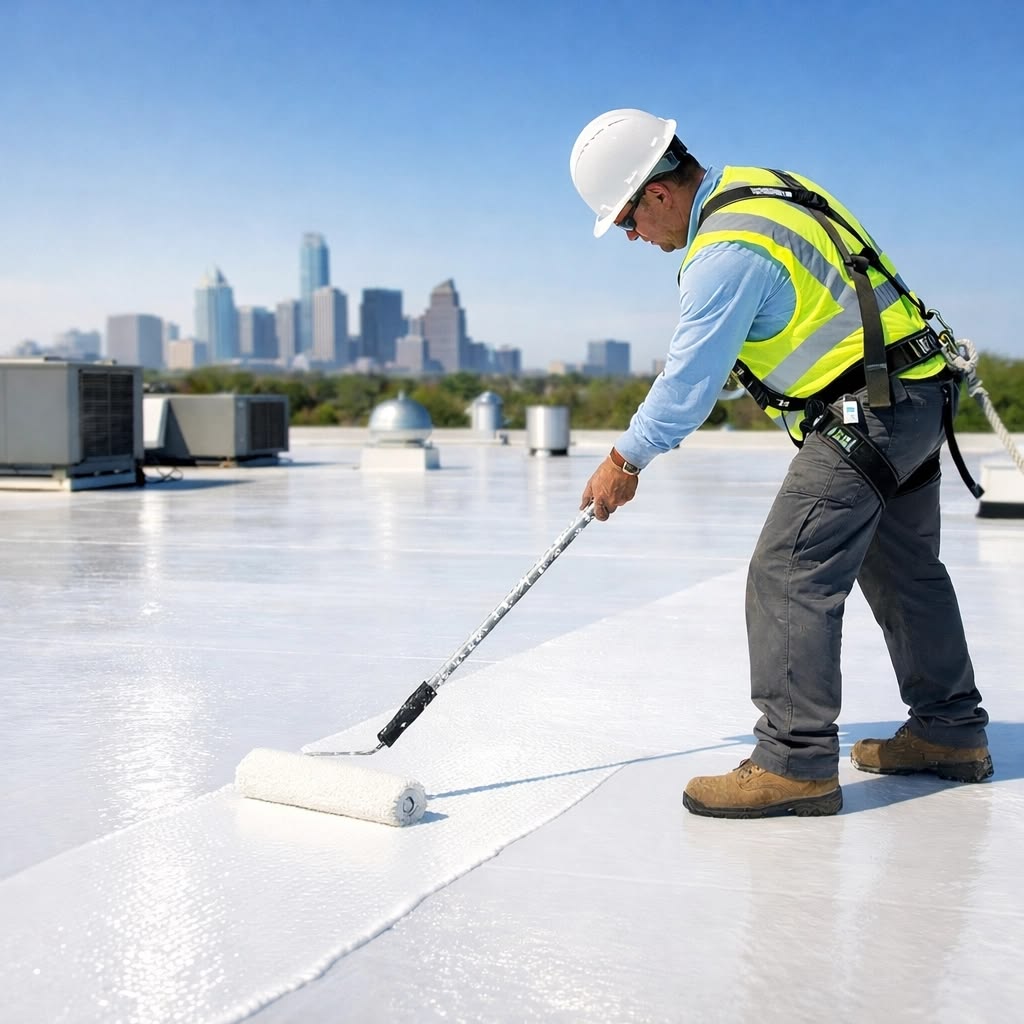
- Even application: The sealant is applied in consistent, uniform coats, avoiding the streaky or patchy look that comes from rushed work.
- Proper curing time: Freshly sealed pavement needs time to set before it can handle foot or vehicle traffic again.
Skipping any of these steps shortens the lifespan of the job considerably, which is why the quality of the contractor matters just as much as the sealant product used.
The Financial Case for Regular Sealcoating
Property owners sometimes view sealcoating as a cosmetic nicety rather than a necessary expense. That perspective tends to change once repaving costs enter the conversation. Resurfacing a parking lot or driveway typically costs several times more than a routine sealcoating application, and full replacement can cost even more than that.
Regular sealing extends the functional life of asphalt by years, which means fewer major repairs and a longer stretch between replacements. For commercial properties especially, that translates into real savings on a line item that’s easy to overlook until it becomes an emergency.
There’s also a less obvious benefit: a well-maintained parking lot or driveway signals attention to detail. For businesses, that first impression can influence how customers perceive the property, and by extension, the business itself.
Choosing the Right Team for the Job
Protecting your pavement with a long-lasting, professionally applied finish starts with choosing a team that treats every project like it’s their own driveway. That’s the standard behind Superior Sealing, where experience and attention to detail turn a routine maintenance task into a lasting investment.
A good sealing contractor should be transparent about their process, use quality materials suited to the local climate, and stand behind their work. Asking about crack repair methods, drying times, and product types before hiring can save a lot of frustration down the line. The cheapest quote isn’t always the best value, especially when a rushed job means redoing the work within a year.
Protect What You’ve Already Invested In
Asphalt isn’t cheap to install, and it shouldn’t be left to fend for itself against sun, water, and daily wear. Routine sealcoating is one of the most cost-effective ways to protect that investment, keep properties looking their best, and avoid the much larger bill that comes with neglect.
Whether it’s a single driveway or a sprawling commercial lot, the same principle applies: a little maintenance now prevents a lot of expense later. Reaching out to a trusted sealing professional before cracks turn into craters is the simplest way to keep pavement in top shape for years to come.