

Key Takeaways
- AI data centers can create large, concentrated electricity loads that require early grid planning.
- Power availability, transmission capacity, cooling needs, and reliability standards can determine where a project can operate.
- Grid upgrades, energy storage, efficient equipment, flexible workloads, and carefully managed on-site power can work together.
- Cost rules should protect households and smaller businesses from paying for infrastructure built mainly for a private project.
- Clear reporting and realistic load forecasts help utilities, regulators, developers, and communities make better decisions.
Artificial intelligence depends on far more than advanced chips and software. The facilities that train and run AI models need dependable electricity, cooling, network connections, and backup systems. In a discussion about the sector’s power challenge, KR SRidhar highlights why data center operators are increasingly treating power supply as a core business issue. That does not mean AI growth must overwhelm local systems. It means new facilities should be planned as major energy projects from the beginning. A sound approach matches computing growth with grid capacity, fair contracts, practical efficiency measures, and community protections.
Why Power Is Now A Core AI Issue
Large AI facilities can require electricity on a scale that changes regional planning decisions. A developer may have suitable land, financing, fiber access, and local support, yet still face a long delay if the nearest substation, transmission line, or generation fleet cannot safely serve the requested load. Electricity is also not interchangeable across all places and hours. A region may have enough annual energy on paper while lacking capacity during summer heat, winter cold, or other high-demand periods. As a result, power planning now belongs alongside real estate selection, equipment procurement, construction scheduling, and workforce planning.
How AI Loads Differ From Traditional Data Centers
High Power Density
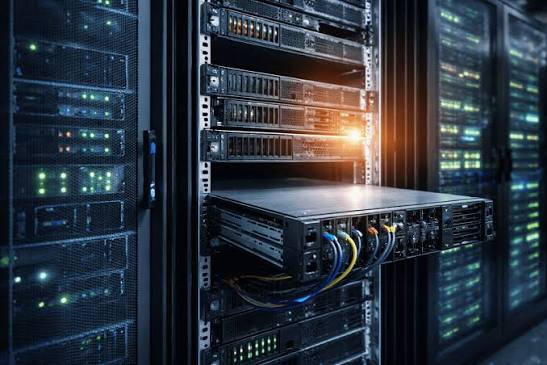
AI workloads often use dense clusters of accelerators and high-speed networking equipment. More equipment in a smaller footprint can increase demand for power delivery and cooling equipment at the same site. An AI data center is therefore not simply a conventional server facility with more racks. Its design must account for specialized computing and supporting infrastructure.
Fast Changes In Demand
Some workloads can rise quickly when a training run, model deployment, or large batch of inference activity begins. Operators need realistic forecasts for normal operation, peak activity, maintenance periods, and recovery after an interruption. Utilities also need those forecasts to determine whether the local system can absorb changes without creating reliability concerns.
Cooling And Reliability Needs
Cooling systems, batteries, generators, uninterruptible power supplies, and power-quality controls are essential parts of the facility. A brief outage can disrupt computing work and lead to costly downtime. The objective is not merely to obtain more electricity, but to deliver electricity consistently and safely.
Where Grid Stress Appears First
Grid pressure is usually a location- and timing-related problem, not just a question of total electricity supply. Common pressure points include:
- Interconnection studies: Utilities and grid operators may need time to assess the effects of a large new load.
- Transmission constraints: Generation may exist elsewhere, but it lacks enough wire capacity to reach the proposed site.
- Substations and transformers: Local equipment may need expansion or replacement before service can begin.
- Peak demand: Extreme weather can reduce available operating margin when customers need the most power.
- Forecast uncertainty: A project that arrives late, grows faster than expected, or is canceled can complicate long-term investment decisions.
Practical Solutions
Build Capacity Before It Is Needed
New transmission, larger substations, advanced conductors, and modern grid monitoring can expand the system’s ability to serve major loads. Because these projects often require engineering, permitting, procurement, and construction, the best time to begin planning is well before a data center opens.
Use Flexibility As A Reliability Tool
Not every computing task must run at the same time. Where technically appropriate, operators can shift selected workloads to a different time or location during a grid emergency. This arrangement should be defined in advance, tested regularly, and structured so that essential services remain protected.
Combine Storage, Efficiency, And On-Site Resources
Batteries can help manage short demand spikes and provide continuity during brief disturbances. Efficient chips, better server utilization, liquid or air cooling suited to the facility, and software optimization can reduce wasted energy. On-site generation may add resilience, but fuel supply, emissions, noise, permitting, and local impacts still require careful review. No single technology removes the need for regional grid planning.
Who Should Pay For Grid Upgrades?
Cost allocation is one of the most important public questions. Equipment built solely to connect one facility should generally have a clear financial commitment from that project. Broader upgrades that improve service for an entire region may justify shared treatment, but regulators should distinguish regional benefits from private needs. Useful safeguards include connection fees, long-term service agreements, minimum-payment provisions, realistic construction milestones, and protections against stranded costs if a project is reduced, delayed, or abandoned. Data centers can create investment, tax revenue, and employment, but those benefits do not automatically justify shifting avoidable costs to other customers.
The Role Of Regulators And Utilities
Speed matters, but faster approval should not mean skipping reliability analysis. In June 2026, the Federal Energy Regulatory Commission directed six regional grid operators to justify or revise rules affecting large-load connections, including reforms related to study processes, transparency, cost shifting, flexible loads, and co-located generation. Those large-load integration reforms show why consistent rules are becoming more important. Utilities and regulators can improve outcomes by requiring credible load forecasts, publishing key assumptions, reviewing emergency operating plans, and explaining who will fund upgrades. Public reporting should cover expected electricity demand, construction timelines, water considerations where relevant, and the project’s commitments during periods of grid stress.
A Planning Checklist For New Projects
- Measure the full facility load, including computing, cooling, storage, lighting, and backup systems.
- Model peak conditions, outages, maintenance, and extreme weather, not just average demand.
- Review local transmission, substations, generation resources, and realistic interconnection timelines.
- Identify workloads that can be shifted when the grid needs relief.
- Set measurable efficiency and reliability targets before construction begins.
- Use contracts that clearly assign costs and protect existing customers.
- Share accurate public information rather than relying on broad promises about benefits or capacity.
Common Questions
Will AI Data Centers Cause More Blackouts?
Not automatically. Reliability depends on the pace of demand growth, available generation and transmission, reserve margins, weather preparedness, and whether planned upgrades are completed on time.
Can Renewable Energy Solve The Problem Alone?
Renewable generation can add supply and support lower-emission operations. Planning must still address when electricity is available, how it reaches the facility, and how the system performs when renewable output is lower.
Are Batteries Enough For Large AI Facilities?
Batteries are valuable for short-duration support, backup functions, and demand management. They are not a universal substitute for sufficient long-term generation, transmission, and fuel or energy supply during extended outages.
Conclusion
AI data centers can grow without unnecessarily straining local power systems when developers, utilities, regulators, and communities plan for the full energy impact early on. This means evaluating expected electricity demand, available grid capacity, transmission needs, cooling requirements, and the timing of new infrastructure before construction begins. The most durable strategy combines grid investment, flexible computing, efficient facility design, targeted energy storage, transparent cost rules, and strong reliability oversight. Developers should also identify which workloads can shift to different times or locations and which require uninterrupted service, allowing flexibility without compromising critical operations. Clear communication about infrastructure costs, environmental effects, and potential impacts on local ratepayers can help build accountability throughout the process. Innovation can move quickly, but dependable electricity infrastructure must be developed carefully, with decisions guided by realistic demand forecasts, coordinated planning, and long-term community needs.