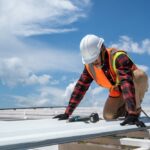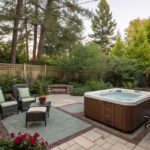
An aging deck doesn’t always need to be completely replaced. Loose boards, faded surfaces, damaged railings, and minor structural problems can often be addressed as part of a well-planned renovation. Before beginning demolition, cutting, sanding, or repairs, inspect the work area and use appropriate safety wear for the tasks involved, which may include eye protection, gloves, suitable footwear, hearing protection, and respiratory protection when working with dust-producing materials.
Inspect the Entire Deck First
Before buying materials, determine exactly what needs attention.
Walk slowly around the deck and look for:
- Loose or damaged boards
- Rotting timber
- Protruding fasteners
- Unstable railings
- Damaged stairs
- Movement around posts
- Water damage
- Areas where the surface feels uneve
Don’t assume that visible surface damage is the only problem.
Check the Structure Underneath
The appearance of the decking boards matters, but the supporting structure is more important.
Inspect accessible joists, beams, posts, connections, and other structural components for deterioration or movement.
Pay particular attention to areas where moisture tends to collect.
If you discover significant rot, movement, or structural damage, consider having the deck assessed by an appropriately qualified professional before continuing.
Decide Between Repair and Replacement
Once you’ve inspected the deck, determine whether individual components can be repaired or whether larger sections need replacement.
Replacing a handful of damaged boards is relatively straightforward.
If deterioration affects much of the supporting structure, however, a larger rebuild may be more appropriate.
Create a list of repairs before starting so the project doesn’t continually expand.
Remove Damaged Deck Boards
Carefully remove boards that need replacement.
Watch for nails, screws, splintered timber, and damaged sections that may break unexpectedly.
Removing boards also gives you an opportunity to inspect the structure underneath more closely.
Dispose of damaged materials appropriately and keep the work area clear.
Replace Damaged Boards
When installing replacement boards, choose material appropriate for the existing deck and local conditions.
Try to match the dimensions of the existing boards so the finished surface remains consistent.
Install boards with the correct spacing and fastening method for the material being used.
Repair Loose Railings
Railings should feel stable when pressure is applied.
Check posts, rails, balusters, fasteners, and connection points.
Loose fasteners may need tightening or replacement, while deteriorated timber may need to be replaced completely.
Because railings are an important safety feature, significant problems should not be treated as cosmetic repairs.
Check the Stairs
Deck stairs receive regular use and can deteriorate over time.
Inspect:
- Treads
- Risers
- Stringers
- Handrails
- Connections
- Landings
Look for movement, cracks, rot, and loose fasteners.
Make sure repaired stairs comply with applicable local requirements.
Clean the Deck Surface
Once structural repairs are complete, thoroughly clean the surface.
Remove dirt, algae, leaves, and other debris.
The appropriate cleaning method depends on the decking material and its condition.
Follow product and material manufacturer recommendations, particularly if using cleaners or pressure-washing equipment.
Prepare the Surface for Refinishing
Older wooden decks may need sanding or other preparation before applying a new finish.
Work carefully around fasteners and damaged timber.
Sanding can generate significant dust, so control dust appropriately and use task-specific protective equipment.
The surface should be properly prepared before applying stain, paint, or another finish.
Choose the Right Finish
A new finish can dramatically change the appearance of an older deck.
Depending on the material, you might choose:
- Transparent finish
- Semi-transparent stain
- Solid stain
- Exterior paint
- Appropriate protective coating
Consider maintenance requirements as well as appearance.
Upgrade the Deck While You’re Working
A repair project can also be an opportunity to improve how the deck functions.
Consider adding:
- Built-in seating
- Planters
- Improved lighting
- Storage
- Shade
- New stairs
- Updated railings
Plan these additions before refinishing so you don’t damage newly completed surfaces.
Improve the Surrounding Area
Once the deck is repaired, look at how it connects to the rest of the backyard.
A new pathway, garden bed, gravel area, or improved planting can make the renovation feel much more complete.
Small landscaping changes can significantly improve the overall result.
Final Thoughts
Repairing an old wooden deck starts with understanding its condition rather than immediately replacing visible boards. Inspect the structure, railings, stairs, and surface carefully before deciding how extensive the project needs to be.
By completing structural repairs first and cosmetic improvements afterward, you can create a safer, more functional outdoor space while avoiding unnecessary work.